June 24, 2026
Doner Machine Blade Compatibility for All Models
Introduction to Doner Machine Blade Compatibility
When it comes to maintaining your doner machine, doner machine blade compatibility for all models is a critical factor for optimal performance. Using the wrong blade can lead to inefficient slicing, increased wear, or even damage to your equipment. Whether you own a Dost 90, a vertical rotisserie, or another model, selecting the right blade ensures smooth operation and consistent cuts.
Blade compatibility depends on several factors, including size, mounting system, and material. Universal options like the 140mm Universal Donerblad are designed to fit multiple machines, while specialized blades, such as the best doner knife blade for Dost 90, cater to specific models. Understanding these differences helps prevent costly mistakes and extends the lifespan of your machine.
In this guide, we’ll break down everything you need to know—from blade types and sizing to mounting systems and troubleshooting. Whether you’re a restaurant owner or a kebab enthusiast, ensuring proper doner machine blade compatibility guarantees efficiency, safety, and the perfect slice every time. Let’s dive into the essentials to help you make the right choice.
Understanding Doner Machine Blade Types
Doner machine blades come in various types, each designed for specific cutting styles and machine models. Understanding these differences is crucial for ensuring doner machine blade compatibility for all models, whether you're replacing an old blade or upgrading for better performance.
Serrated vs. Smooth Blades
The two primary blade types are serrated and smooth:
- Serrated blades feature small teeth, ideal for slicing through tougher meats with minimal tearing. They provide cleaner cuts and are commonly used in high-volume settings. A popular example is the 90mm Universal Serrated Blade, which fits many standard doner machines.
- Smooth blades offer a razor-sharp edge, perfect for thinly shaving tender meats like chicken or lamb. The 90mm DOST Smooth Blade is a durable option for precision cutting.
Blade Thickness & Edge Geometry
Thicker blades (2.5–3mm) are more durable and resist bending, while thinner blades (1.5–2mm) provide finer slices but may require frequent sharpening. Edge geometry also varies—some blades have a straight edge, while others feature a slight curve for smoother slicing action.
Compatibility Considerations
Not all blades fit every machine, even if they share the same diameter. Key factors include:
- Mounting hole alignment (central or offset).
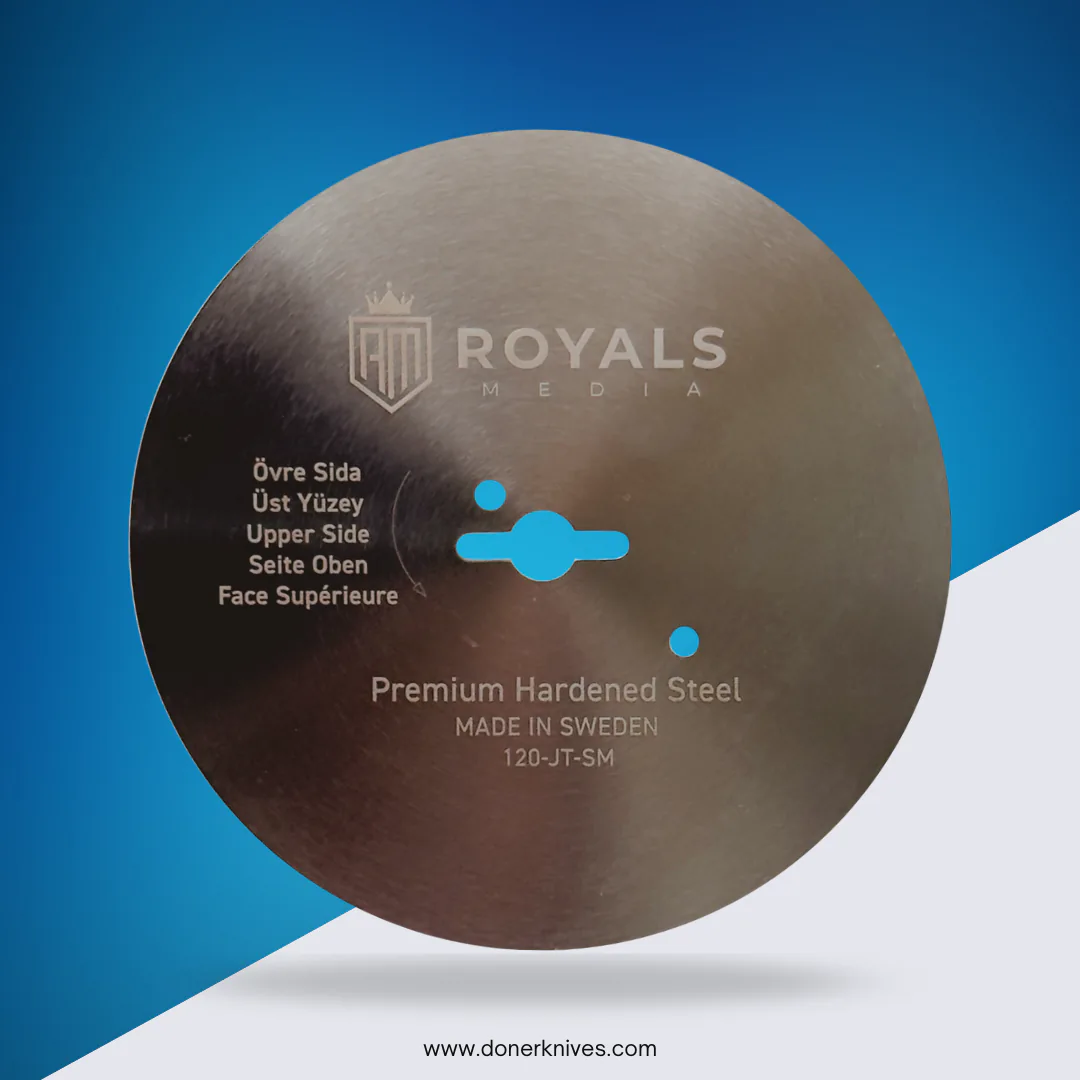
- Blade diameter (commonly 80mm, 90mm, or 120mm).
- Machine brand specifications (e.g., DOST, Lile, or other manufacturers).
Choosing the right blade type ensures optimal performance and longevity, making it essential to verify doner machine blade compatibility for all models before purchasing. Always cross-check your machine’s manual or consult the manufacturer for precise recommendations.
Blade Sizes & Compatibility Guide
Blade Sizes & Compatibility Guide
Choosing the right blade for your doner machine ensures optimal performance and longevity. Compatibility depends on three key factors: blade diameter, mounting system, and tooth configuration. Here’s a detailed breakdown to help you navigate doner machine blade compatibility for all models.
Blade Diameter
Blades range from 80mm to 140mm, with each size suited for specific machines:
- 80mm–90mm: Ideal for compact or home-use doner machines (e.g., 80mm Universal – Smooth or 90mm Dost – Serrated).
- 100mm–120mm: Common for mid-sized commercial machines (e.g., 120mm Tandir – Serrated).
- 140mm: Designed for heavy-duty vertical rotisseries (e.g., 140mm Universal – 4 Hole).
Mounting Systems
Blades attach via:
- Single-hole: Fits most basic models.
- Multi-hole (2/3/4-hole): Ensures stability for high-capacity machines. Verify your machine’s spindle design before purchasing (e.g., 140mm Universal – 3 Hole).
Tooth Configuration
- Smooth blades: Deliver clean, even cuts (e.g., 120mm Dost – Smooth).
- Serrated blades: Excel at slicing frozen or dense meat (e.g., 100mm Tandir – Serrated).
Pro Tips
- Always cross-check your machine’s manual for specifications.
- For universal compatibility, opt for blades with adjustable mounting like the 140mm Universal – 4 Hole.
By matching these criteria, you’ll ensure seamless doner machine blade compatibility for all models, whether upgrading or replacing worn blades.
Mounting Systems Explained
The mounting system of a doner machine blade is a critical factor in ensuring doner machine blade compatibility for all models. Different machines use distinct attachment mechanisms, and selecting the correct one prevents operational issues and extends blade longevity.
Common Mounting Systems
- 3-Hole Mounting – A widely used system where the blade is secured with three screws. This design offers stability and is compatible with many commercial doner machines. For example, the 140mm Universal 3-Hole Blade fits most standard vertical rotisseries.
- 4-Hole Mounting – Provides extra reinforcement for high-capacity machines. The additional screw distributes stress evenly, reducing wear. A detailed guide on this system can be found here.
- Quick-Release Clamps – Found in some modern models, these allow for tool-free blade changes but require precise alignment.
Key Compatibility Considerations
- Screw Spacing & Diameter – Measure the distance between screw holes and their size to ensure a proper fit.
- Blade Thickness – Thicker blades may not seat correctly in machines designed for thinner variants.
- Machine Brand Specifications – Some brands, like Lile or Kromax, have proprietary mounting systems.
Always verify your machine’s requirements before purchasing a replacement blade. Universal blades often accommodate multiple systems, but checking measurements ensures seamless doner machine blade compatibility for all models. If unsure, consult the manufacturer’s guidelines or a trusted supplier for assistance.
Material & Durability Comparison
Material & Durability Comparison
When selecting a blade for your doner machine, material and durability are critical factors that impact performance, longevity, and doner machine blade compatibility for all models. The blades are hardened stainless steel — the same material throughout the range. What separates them is diameter, mount, and whether the edge is smooth or serrated.
Hardened stainless steel
- Pros: Resistant to rust and corrosion, maintains sharpness longer, easy to clean.
- Cons: Slightly more expensive than standard steel.
- Best for: High-volume commercial kitchens where hygiene and edge retention are priorities.
- Example: The 100mm Tandir – Smooth (219kr) is a durable option for consistent slicing.
Hardened Steel
- Pros: Extremely sharp, cost-effective, widely available.
- Cons: Requires frequent sharpening, prone to rust if not maintained.
- Best for: Budget-conscious users or machines with moderate usage.
- Example: The 80mm Universal – Smooth (199kr) offers a balance of affordability and performance.
Serrated or smooth edge
- Serrated: grips firmer or fridge-cold meat instead of slipping. Handles a fast pace.
- Smooth: gives cleaner slices on tender, even meat.
- The material does not differ — the whole range is the same hardened stainless steel, uncoated. Coatings have no place on a blade that sits against meat: they can flake.
- Example: the 120mm Jet – Smooth and the 120mm Jet – Serrated, same steel and same price.
Durability Comparison
- Longevity: A hardened stainless steel blade lasts several years in normal service and some months under intensive daily use. Care decides more than anything else: clean after every shift, dry immediately and store dry.
- Maintenance: Stainless steel requires minimal upkeep; hardened steel needs regular oiling to prevent rust.
For optimal doner machine blade compatibility, match the blade material to your usage frequency and cleaning routine. Investing in a higher-grade blade often pays off in reduced downtime and better slicing consistency.
How to Measure Your Current Blade
How to Measure Your Current Blade
Accurate measurements are crucial for ensuring doner machine blade compatibility for all models. Follow these steps to measure your existing blade correctly:
Remove the Blade Safely
- Unplug the machine and wait for the blade to cool.
- Use gloves to handle the blade and avoid sharp edges.
Measure the Blade Diameter
- Place the blade on a flat surface.
- Use a caliper or ruler to measure the outer edge (e.g., 80mm, 90mm).
- Note: Most doner machines use 80mm or 90mm blades, but sizes vary by model.
Check the Mounting Hole
- Measure the center hole diameter (typically 20mm–25mm).
- Verify if the hole is smooth or threaded (affects compatibility).
Blade Thickness & Shape
- Thickness ranges from 1.5mm to 3mm; thicker blades last longer.
- Confirm if the blade is smooth or serrated (e.g., 90mm smooth doner knife).
Compare with Manufacturer Specs
- Cross-reference your measurements with your machine’s manual or a compatibility guide like this 80mm universal blade.
Pro Tip: Take photos of your blade alongside the ruler for accuracy when ordering replacements. If unsure, consult your machine’s brand guidelines or a specialist to avoid fit issues.
By following these steps, you’ll ensure seamless doner machine blade compatibility for all models, reducing downtime and maintenance costs.
Troubleshooting Fit Issues
If your doner machine blade isn’t fitting correctly, several factors could be at play. Here’s how to diagnose and resolve common compatibility issues:
Blade Size Mismatch
Ensure the blade diameter matches your machine’s specifications. A 120mm blade, like the 120mm Dost – Smooth, won’t fit a machine designed for 80mm blades. Measure your old blade or consult your machine’s manual before purchasing.
Mounting System Errors
Blades use different hole configurations (e.g., 2-hole, 3-hole, or 4-hole). For example, the 140mm Universal – 4 Hole won’t fit a 2-hole mount. Verify your machine’s mounting type before buying.
Warped or Worn Blades
Bent or uneven blades can cause wobbling or poor cuts. Inspect for damage and replace if necessary. Universal blades like the 80mm Universal – Smooth are often more forgiving for minor alignment issues.
Machine-Specific Variations
Some brands have unique designs. Cross-check compatibility guides, such as this comprehensive resource, to confirm doner machine blade compatibility for all models.
For persistent fit problems, contact the manufacturer or opt for blades explicitly labeled as universal, like the 90mm Universal – Serrated, which suit most standard machines. Always double-check measurements and mounting requirements to avoid operational delays.
Maintenance & Replacement Tips
Maintenance & Replacement Tips
Proper maintenance ensures optimal performance and longevity for your doner machine blades. Follow these guidelines to keep your blades sharp, clean, and compatible with your machine model.
Cleaning & Care
- Daily Cleaning: Remove meat residue after each use with warm water and a mild detergent. Avoid harsh abrasives that could damage the blade edge.
- Sanitization: Use food-safe sanitizers to prevent bacterial growth, especially if switching between meat types.
- Drying: Always dry blades thoroughly before storage to prevent rust or corrosion.
Sharpening & Replacement
- Regular Inspection: Check for dullness, nicks, or bends. A damaged blade affects slicing quality and may strain your machine.
- Professional Sharpening: For serrated blades like the 120mm Jet Serrated, use a specialized service to maintain edge integrity.
- Replacement Schedule: Replace blades every 6–12 months, depending on usage. High-volume operations may need replacements sooner.
Compatibility Checks
- Verify Mounting Type: Ensure replacement blades match your machine’s mounting system (e.g., 2-hole vs. universal). The 140mm Universal 2-Hole fits most standard models.
- Measure Before Buying: Compare blade diameter, thickness, and hole alignment to avoid fit issues.
Storage Tips
- Store blades in a dry, protected space, ideally in blade guards or sheaths.
- Keep spare blades organized by model to streamline replacements.
By prioritizing doner machine blade compatibility for all models, you’ll minimize downtime and ensure consistent slicing performance. Always refer to your machine’s manual for model-specific guidelines.
Top Picks for Popular Doner Machine Brands
When selecting the right blade for your doner machine, compatibility is key to ensuring smooth operation and optimal performance. Below, we highlight top blade recommendations for popular doner machine brands, focusing on doner machine blade compatibility for all models while addressing specific needs for different setups.
Universal-Compatible Blades
For machines requiring versatile blades, the 90mm Universal – Smooth (209kr) is a standout choice, fitting most mid-sized vertical rotisseries. Its smooth edge ensures clean, even cuts, ideal for gyros and shawarma. For thicker cuts or frozen meat, the 90mm Universal – Serrated (209kr) offers superior grip.
Smaller machines, such as compact kebab setups, pair well with the 80mm Universal – Smooth (199kr), while the serrated variant (80mm Universal – Serrated, 199kr) excels for tougher meats.
Brand-Specific Blades
- Dost Machines: The 90mm Dost – Smooth (209kr) and 120mm Dost – Serrated (299kr) are tailored for Dost’s mounting system, ensuring seamless fit and durability.
- Tandir Machines: Opt for the 100mm Tandir – Serrated (219kr) for heavy-duty slicing or the 120mm Tandir – Smooth (299kr) for precision carving.
- Jet Machines: The 120mm Jet – Smooth (299kr) provides a razor-sharp edge for high-speed slicing.
Large-Scale Compatibility
For commercial-grade machines, the 140mm Universal – 4 Hole (449kr) accommodates heavy-load rotisseries, while the 2- and 3-hole variants offer flexibility for different bolt patterns.
Always verify your machine’s specifications before purchasing. These picks balance doner machine blade compatibility for all models with performance, ensuring longevity and efficiency. For further guidance, explore our Blade Sizes & Compatibility Guide or FAQ.
FAQ: Doner Machine Blade Compatibility
Are all doner machine blades universal?
No, doner machine blades are not universally compatible. While some brands offer interchangeable blades, compatibility depends on factors like blade size, mounting system, and machine model. For example, an 80mm serrated blade may fit multiple machines, but always verify specifications. Check our blade sizing guide for detailed comparisons.
How do I know if a blade fits my machine?
- Measure your current blade (length, width, thickness).
- Check your machine’s manual for compatible blade types.
- Compare mounting systems (e.g., screw-on vs. quick-release).
For a reliable option, the 80mm Universal Serrated Blade suits many models, but confirm dimensions first.
Can I use a non-branded blade for my doner machine?
Yes, but with caution. Third-party blades must match your machine’s specifications exactly to avoid performance issues or safety risks. Generic blades may lack durability or precise fit, leading to uneven cuts or motor strain.
Why does my new blade wobble or not cut smoothly?
Wobbling often indicates incorrect sizing or a mismatched mounting system. Ensure the blade’s inner diameter aligns with your machine’s spindle. If the issue persists, inspect for wear on the spindle or blade seat.
Do serrated and straight blades work on the same machine?
Most machines support both, but verify compatibility. Serrated blades excel for frozen or dense meat, while straight blades offer cleaner slices. Always confirm your machine’s RPM rating matches the blade type.
How often should I replace my doner machine blade?
Replace blades every 6–12 months with regular use, or sooner if you notice dulling, chipping, or rust. Proper maintenance extends lifespan—clean after each use and store dry.
For further help with doner machine blade compatibility for all models, consult our comprehensive guide or contact our support team.
Conclusion
Ensuring doner machine blade compatibility for all models is essential for optimal performance, efficiency, and safety in your kitchen. Whether you own a compact vertical rotisserie or a high-capacity commercial unit, selecting the right blade—such as the 120mm Tandir – Smooth or 90mm Dost – Serrated—can significantly impact slicing precision and longevity.
This guide has covered critical factors, from blade types and sizes to mounting systems and material durability. Remember:
- Measure accurately to avoid fit issues.
- Prioritize high-quality materials like hardened stainless steel for extended use.
- Match the blade to your machine’s specifications, whether it’s an 80mm universal model or a 140mm heavy-duty unit.
For versatile options, consider the 80mm Universal – Smooth (199kr) for standard machines or the 120mm Tandir – Serrated (299kr) for thicker cuts. Regular maintenance, such as sharpening and proper storage, will further extend blade life.
By understanding compatibility and investing in the right blade, you’ll enhance efficiency and reduce downtime. Explore our full range to find the perfect match for your doner machine, and don’t hesitate to revisit this guide for troubleshooting or replacement tips. Happy slicing!