August 20, 2026
Doner Blade Safety: Handling, Mounting and Storage Done Right
Where blade injuries actually happen
The running slicer looks like the dangerous part, but most doner blade injuries happen off the machine: a hand reaching into soapy water where a blade soaks, a blade changed in a hurry, a loose blade sliding off a shelf. Which is good news — because those situations are governed by habits, and habits are free.
Handling: the four rules
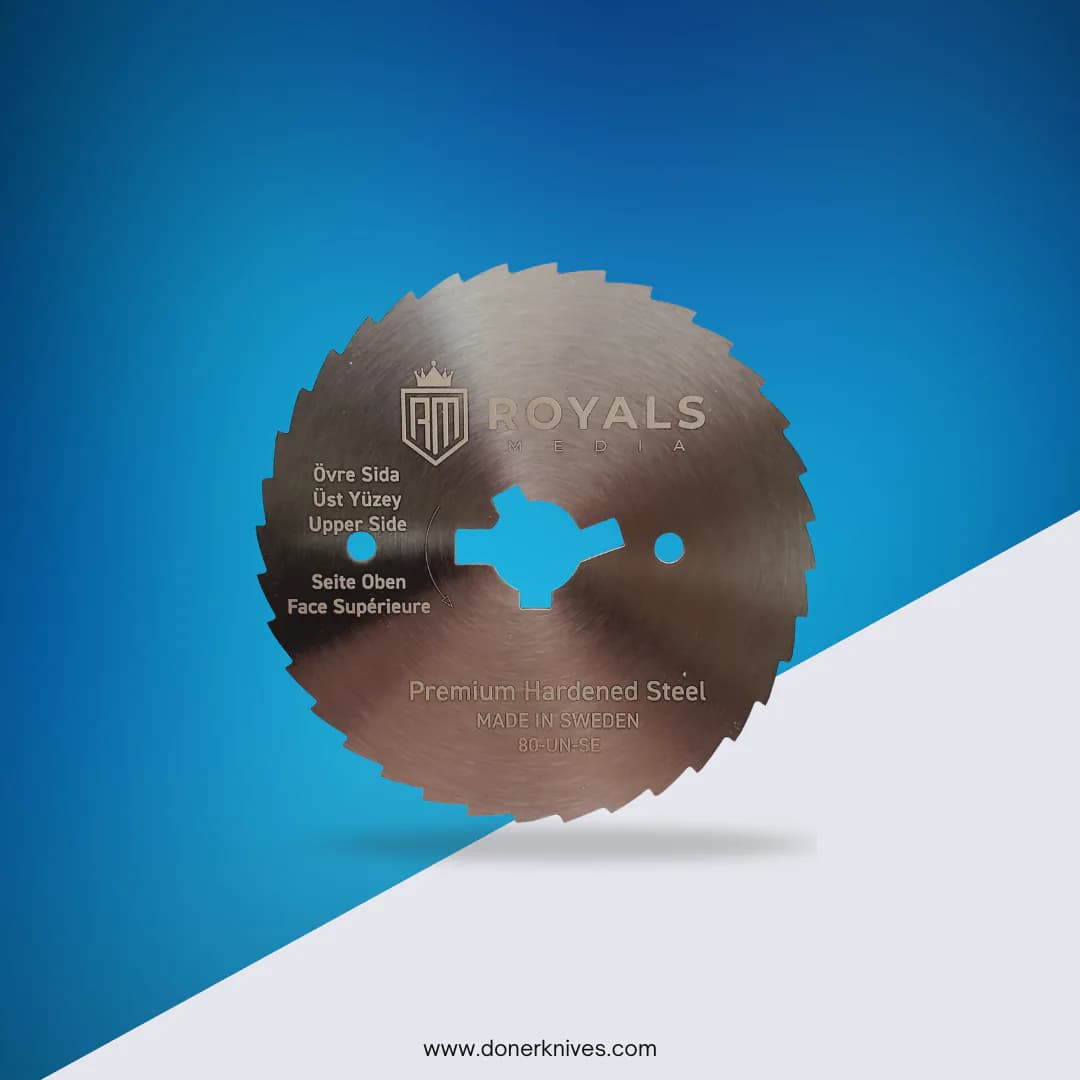
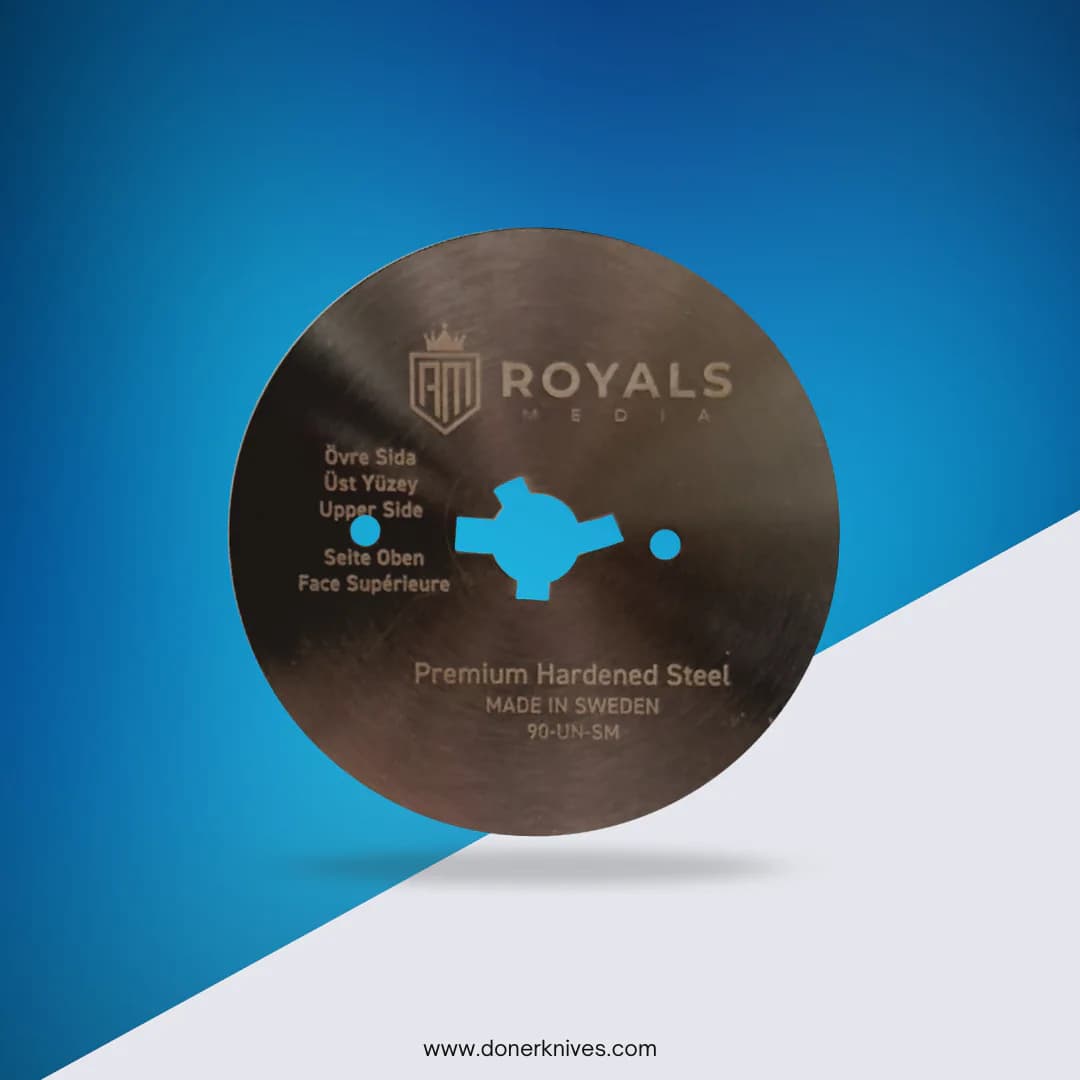
- Handle the blade by its centre, never by the rim. The mounting area has no edge; the circumference is all edge. Grip flat across the middle with fingers away from the perimeter.
- A falling blade is dropped, not caught. Step back and let it fall. Every experienced operator agrees on this — the reflex to catch is the reflex that cuts.
- Never soak blades in opaque water. A blade invisible at the bottom of a sink is a trap for the next pair of hands. Wash it immediately, visibly, and put it away.
- Cut-resistant gloves for cleaning and changing. Not for slicing — for the maintenance moments when your hands are closest to the edge with the most force.
Mounting: the checks that matter
Blade changes are routine — which is exactly why they deserve a checklist:
- Unplugged, not standby. The machine must be physically disconnected before your fingers go near the blade seat.
- Right blade for the machine: size and mount must match — a forced or modified blade runs unbalanced. Our specifications guide covers matching; 140 mm bolt-mount blades have their own procedure.
- Spin by hand before power. One full rotation: no wobble, no guard contact, then plug in.
- Guards stay on. The blade guard is not optional equipment, and a machine whose guard is bent or missing should not run.
Damaged blades: retire, don't gamble
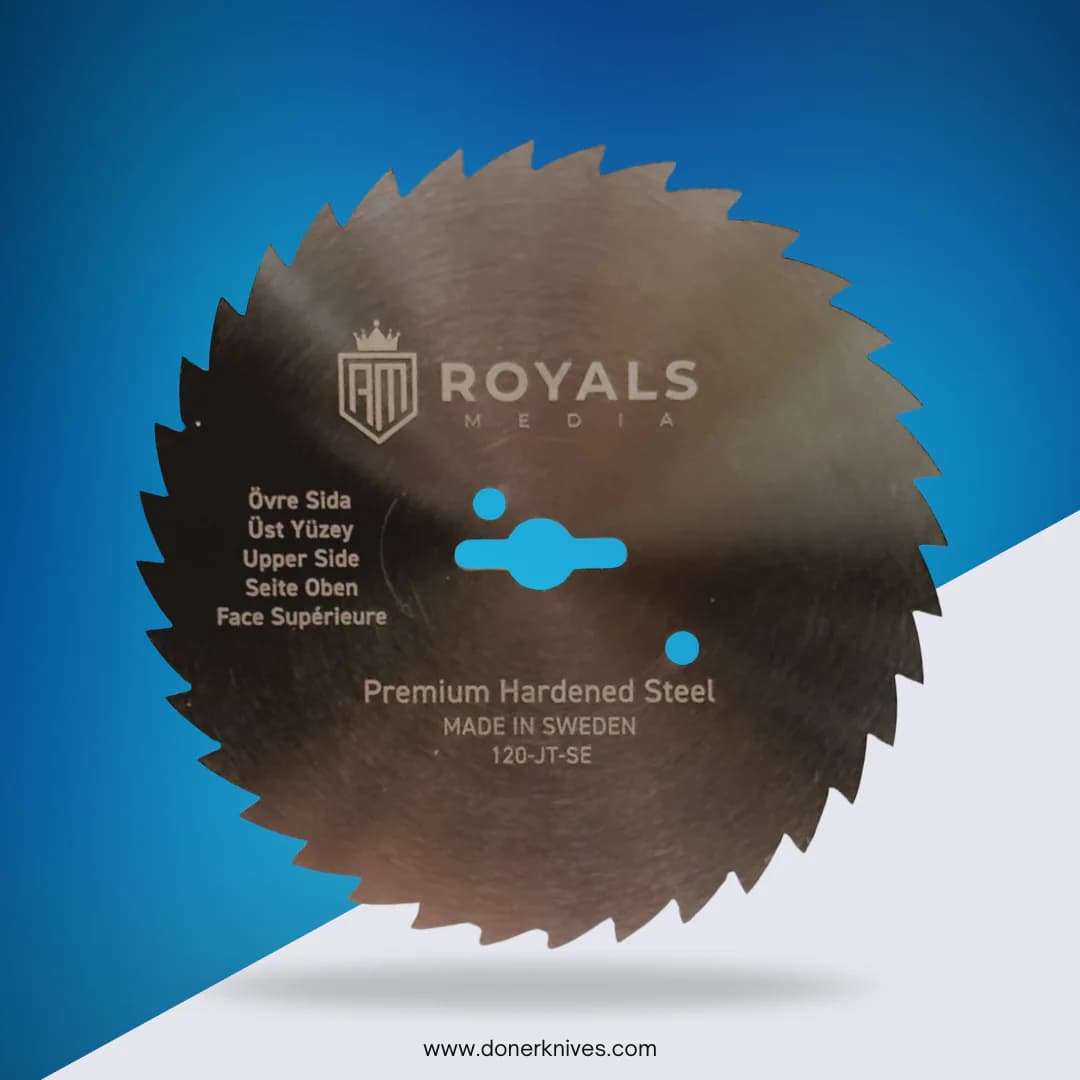
A blade with a crack, a broken tooth or visible warp gets replaced, not nursed. At thousands of RPM a compromised blade can shed fragments — and at from €18 excl. VAT a replacement is the cheapest risk elimination in the kitchen. Wear signs short of damage are covered in when to replace.
Storage: flat, dry, covered
- Flat or hung — never loose in a drawer. A drawer of loose tools with a circular blade in it is an accident on a timer.
- Dry before storing. Moisture left on any steel invites corrosion at the edge, and a corroded edge tears instead of cuts.
- Cover the edge. The original packaging or a simple cardboard sleeve turns a hazardous object into an inert one. Mark reserve blades so nobody discovers the edge by touch.
FAQ
Do I need cut-resistant gloves for slicing doner?
For slicing, the machine's guard and proper technique are the protection. Gloves earn their keep during cleaning, blade changes and sharpening — the moments hands and edge meet with force.
What is the safest way to clean a doner blade?
Immediately after use, by hand, with the blade held by its centre and always visible — never left soaking in a sink. Dry it and store it covered right away.
Can I keep using a blade with one broken tooth?
No. A broken tooth means unbalanced rotation and a weakened rim. Replace the blade; the cost is trivial against the risk.
How should spare blades be stored?
Flat and dry, edge covered, in original packaging or a sleeve, somewhere they cannot slide or fall — and labelled so the edge never surprises anyone.
Related articles
Get the right blade for your machine
Professional doner knife blades. Fast delivery across Europe.