March 11, 2026
Are Universal Doner Blades Truly Universal? Expert Explanation 2026
Are Universal Doner Blades Truly Universal? Expert Explanation
As a supplier to hundreds of doner restaurants and street kitchens across Sweden, we frequently get asked: "Are universal doner blade tips truly universal?" This is a critical question when you need a replacement blade quickly and want to ensure it fits. The answer is both yes and no—it depends on what you mean by "universal." In this expert explanation, we share our field-tested insights. We'll break down exactly what a universal blade is, which machines it actually fits, and when you absolutely need a brand-specific blade. Our goal is to help you—whether a professional chef or an enthusiastic home cook—make a safe and informed purchasing decision.
Understanding the "Universal" Concept for Doner Blades
Within the doner industry, "universal" is a frequently used term but comes with specific limitations. Here's what it means in practice.
What Does "Universal" Mean on a Doner Blade?
Short Answer: A universal doner blade is designed to fit multiple models and brands of cutting machines, but not all. The term primarily refers to the blade's mounting system and diameter—not a guarantee of compatibility with every machine on the market.
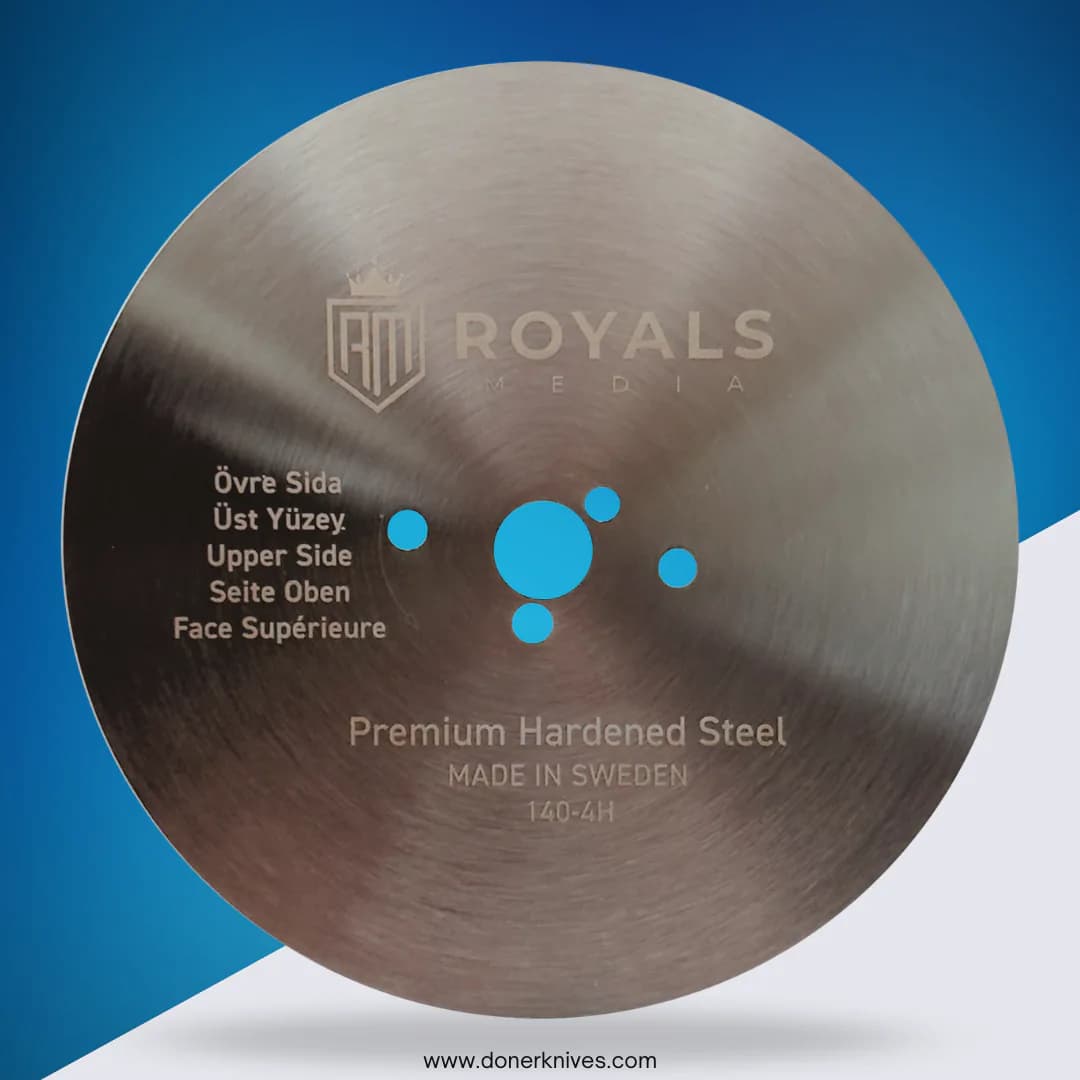
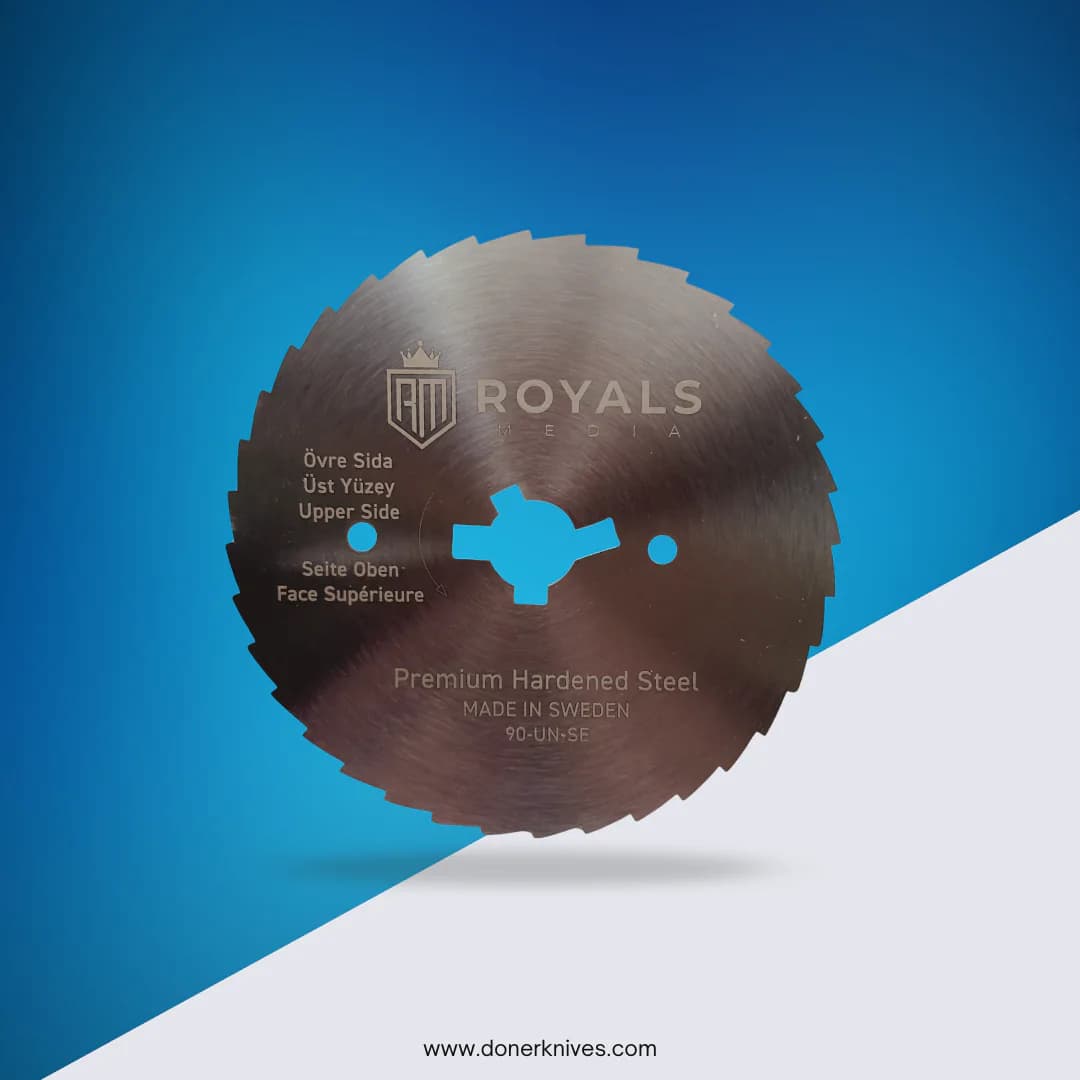
At Doner Knives, when we refer to universal blades, we mean blades manufactured to the most common industry standards for hole spacing and diameter. These standards have evolved around popular machine manufacturers. For example, our /en/product/140mm-universal-4-hole 140mm blade with 4 holes is designed to fit many large industrial machines used in high-volume Swedish restaurants.
It's important to understand that "universal" is not an official certification but a practical description. The steel quality is identical to our brand-specific blades—the difference lies solely in mounting details. Choosing correctly means matching the blade's specifications (diameter, number of holes, hole spacing) precisely to your machine's requirements.
What Are the Most Common "Universal" Standards?
Short Answer: The most common universal standards are based on blade diameter (often 120mm or 140mm) and the number of mounting holes (2, 3, or 4). The 4-hole mounting is one of the most widespread standards for professional machines.
In Swedish kitchens, we primarily see these configurations:
- 140mm diameter with 4 holes: Standard for many larger, stationary machines. Our /en/product/140mm-universal-4-hole is a typical example. This size offers stable cutting at high volumes.
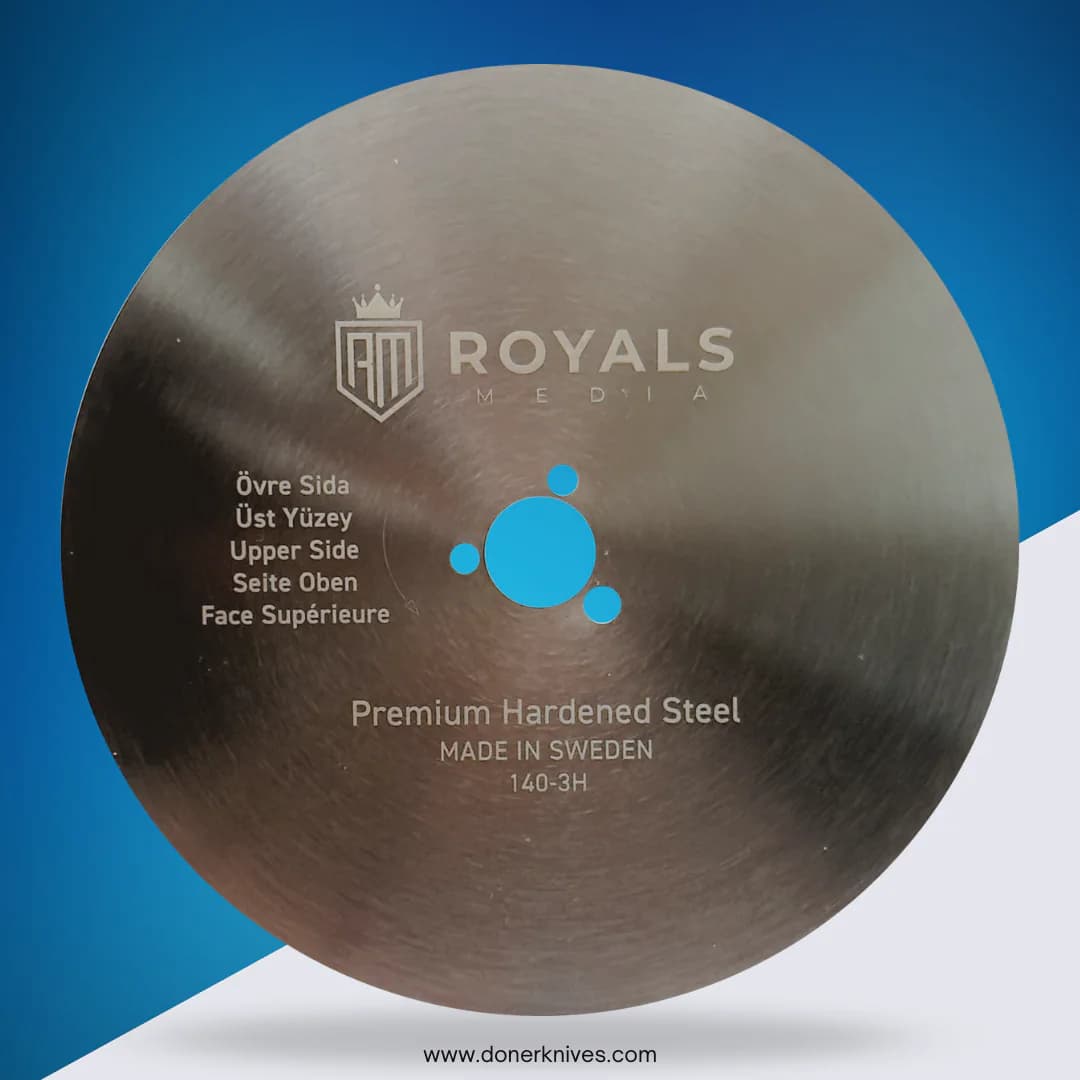
- 140mm diameter with 3 holes: Fits another group of machines, often older models. Always check your existing blade or machine manual.
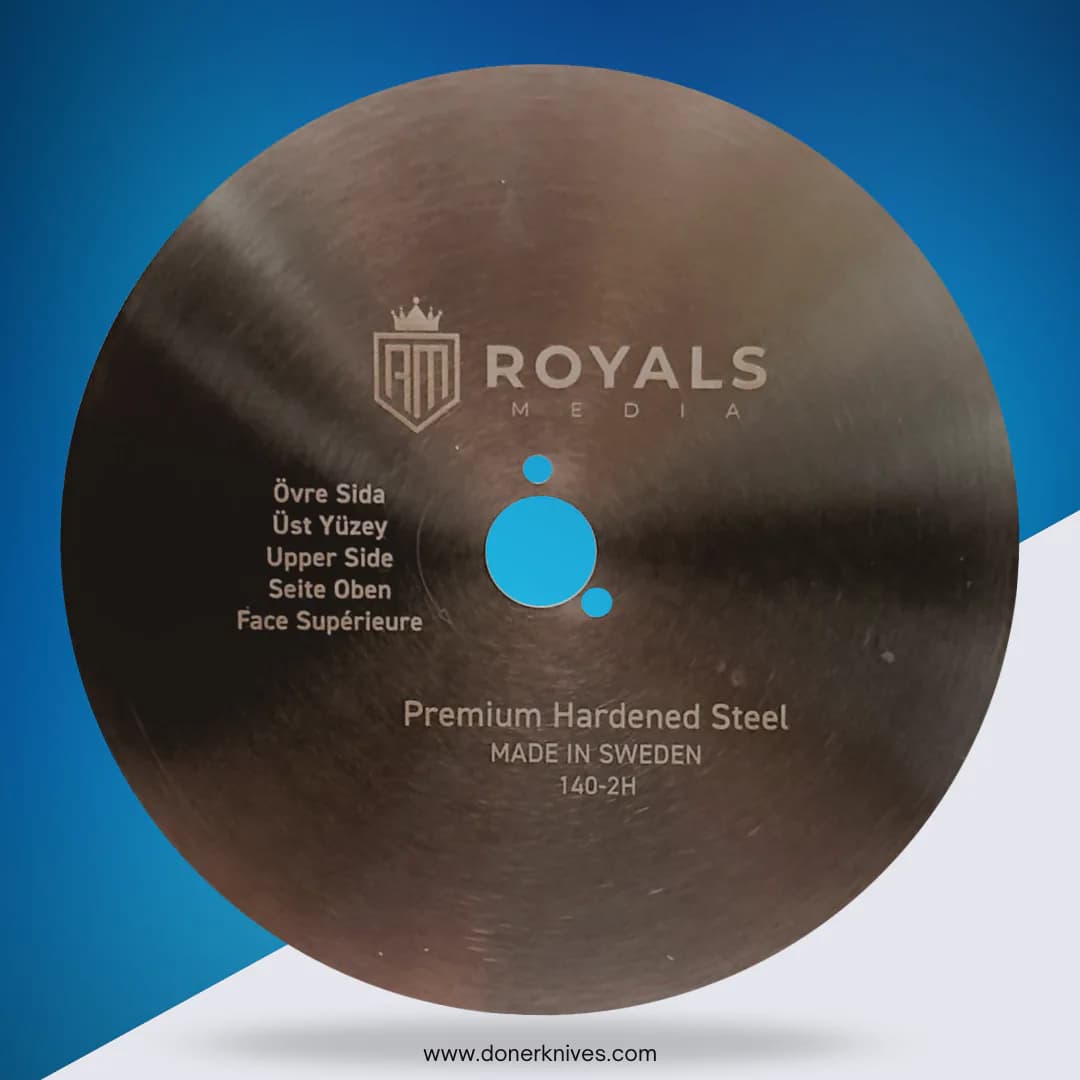
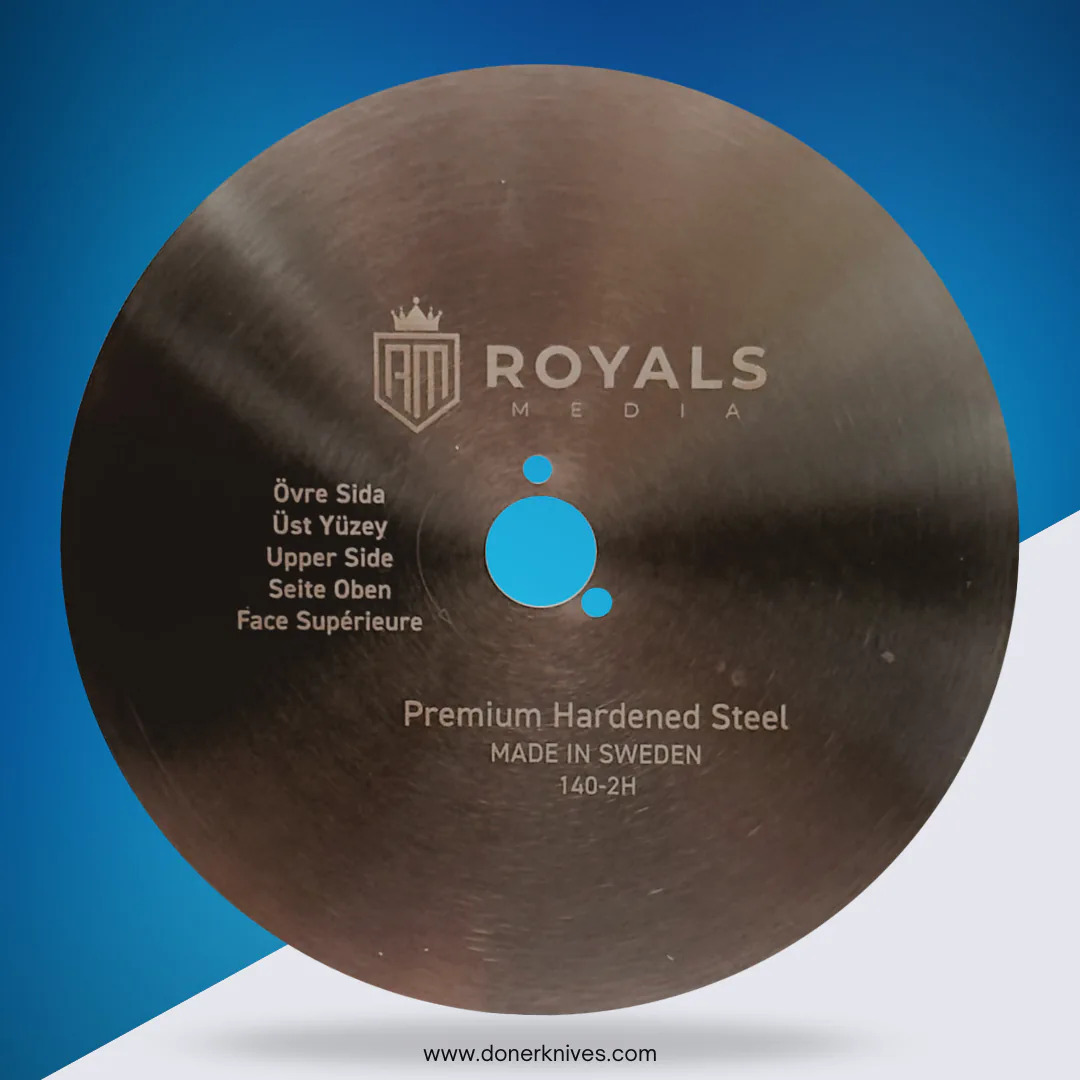
- 140mm diameter with 2 holes: Less common but critical for machines requiring this configuration, such as our /en/product/140mm-universal-2-hole.
- 120mm diameter: Another very common size, often for smaller or portable machines. Compatibility here is often more brand-dependent (e.g., Jet, Dost) than a universal standard.
Our recommendation is always to measure your old blade or consult the machine manufacturer before purchasing. Our guide /en/blog/vilket-donerknivblad-passar-min-maskin walks through this step-by-step.
When Does a Universal Blade Fit—and When Doesn't It?
This is the core of the question. Let's break it down with practical scenarios.
For Which Types of Doner Machines Are Universal Blades Perfect?
Short Answer: Universal blades fit well for many standardized, often larger or older, cutting machines where the manufacturer has followed common industrial dimensions. They're also a safe choice when replacing an identical universal blade.
If you operate a kitchen with a well-established, robust machine that doesn't have a proprietary mounting system, there's a high chance a universal blade will work. Many machines produced for the European market, especially those without a strong brand like Jet or Dost, use these standards. The strength of a universal blade lies in its availability and common replacement intervals.
For high-demand restaurants, our universal 140mm blades are a popular choice due to their durability (made from the same high-quality stainless steel as all our blades) and straightforward replacement process. They're designed to withstand the sharpness and cleaning required to meet hygiene guidelines from food safety authorities.
Which Machines Require Brand-Specific Blades (e.g., Jet, Dost, Tandir)?
Short Answer: Machines from leading brands like Jet, Dost, and Tandir almost always require their own brand-specific blades due to unique mounting systems, hole spacing, or special diameters.
These manufacturers often design their machines with proprietary patents or solutions to secure blades in a specific way. Attempting to mount a universal blade on a Jet machine may be impossible or, worse, unsafe. Improperly mounted blades pose a workplace hazard and can damage the machine.
Examples:
- Jet machines: Typically require blades like our /en/product/120mm-jet-serrated or /en/product/120mm-jet-smooth, where the mounting interface is precisely tailored to their models.
- Dost machines: Often have specific diameter and mounting requirements, such as our /en/product/120mm-dost-serrated.
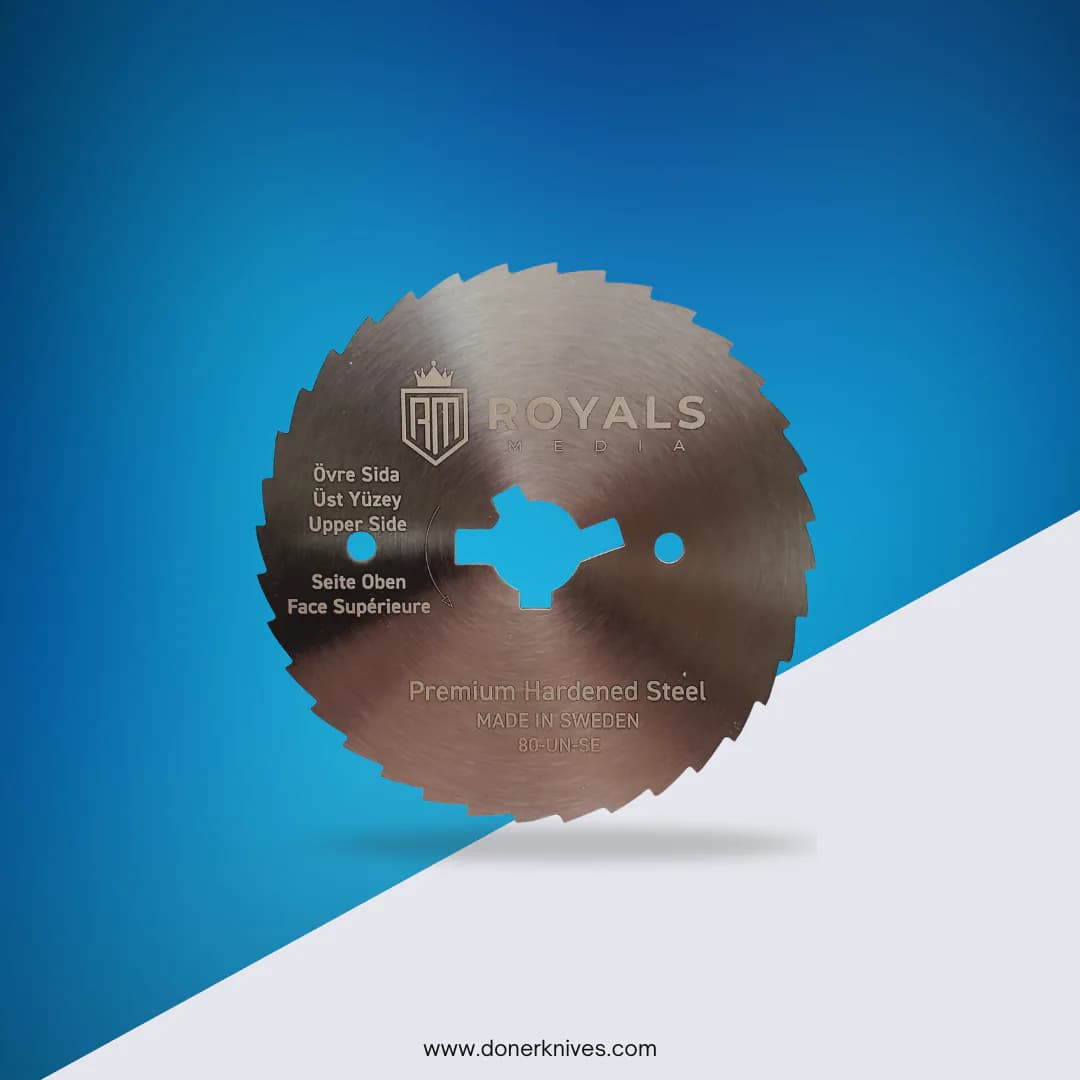
- Tandir machines: May require blades like /en/product/120mm-tandir-serrated or /en/product/100mm-tandir-serrated, especially for smaller models.
How Can I Be Sure My Universal Blade Fits?
Short Answer: The only safe way is to physically compare measurements: Diameter (mm), number of mounting holes, hole diameter, and distance between holes (center to center). Take a photo and measure with a caliper.
Follow this checklist:
- Remove your old, worn blade from the machine (ensure the machine is disconnected!).
- Measure the blade diameter with a ruler or caliper. Common sizes are 80, 90, 100, 120, 140mm.
- Count the number of mounting holes. Note if they are evenly spaced.
- Measure the hole diameter and the distance between centers of two opposite holes. This is the critical measurement.
- Compare with the product description for the universal blade you're considering. All our product descriptions include detailed measurements.
If the measurements match exactly, the universal blade will likely fit. At the slightest doubt, choose a brand-specific blade or contact us with your measurements. An incorrect blade only leads to lost time and productivity.
Common Questions and Misconceptions About Universal Blades
"Do Universal Blades Have Lower Quality Than Brand Blades?"
Short Answer: Absolutely not. At Doner Knives, all our blades—whether universal or brand-specific—are made from exactly the same high-quality stainless steel and undergo the same sharpening process. The difference lies solely in the shape and mounting details, not in the material's durability or sharpness.
This is a crucial point to emphasize. Our focus is on long-term performance and safety. A universal 140mm blade will last as long and cut as well as a 140mm blade for a specific machine, provided it's correctly mounted. Choosing serrated (/en/product/140mm-universal-4-hole) or smooth cutting is a matter of personal preference and type of meat, not quality. Learn more about maintenance in our guide /en/blog/donerklinge-richtig-reinigen.
"Can I Use a Universal Blade on My Jet/Dost Machine if I Drill New Holes?"
Short Answer: We strongly recommend against this. Modifying a blade by drilling new holes can weaken the steel, create uneven weight distribution, and lead to serious accidents. It also doesn't meet work equipment requirements under Swedish occupational safety regulations.
A doner blade rotates at high speed. An improperly placed or unevenly drilled hole can create cracks or imbalance, causing the blade to vibrate violently and potentially shatter during use. Your and your employees' safety is invaluable. Investing in a correct, brand-specific blade like /en/product/120mm-jet-serrated is an investment in safe operation. See also our safety tips in /en/blog/donerknivblad-till-restaurang.
"Why Are There Different Holes (2,3,4) on Universal Blades?"
Short Answer: The number of holes corresponds to different mounting standards across machines. A 4-hole blade won't fit a machine designed for 3 holes, and vice versa. It's about compatibility, not about one system being "better" than another.
Machine manufacturers have chosen different solutions to securely fix the blade to the shaft. Some use 4 bolts for maximum stability on heavy machines, while others use 3 or 2 for simpler, quicker replacements. Your job is to match what your machine requires. Always check the blade already installed in your machine. We offer universal blades in all variants, such as /en/product/140mm-universal-3-hole for 3-hole machines, to cover your needs.
Expert Advice: How to Choose the Right Blade
In summary, "universal" doner blades are an excellent and reliable choice for the machines they're intended for. They aren't a magical solution that fits everything, but they cover a broad range of the most common machines in Swedish kitchens.
Our three most important recommendations:
- Identify first, buy later. Use our guide /en/blog/vilket-donerknivblad-passar-min-maskin to identify your machine and current blade.
- Choose diameter and holes based on facts, not guesswork. Measure your old blade carefully.
- If in doubt, choose brand-specific. If your machine has a known brand like Jet, Dost, or Tandir, always choose the specific blade for optimal safety and fit.
No matter if you choose a universal blade like /en/product/140mm-universal-4-hole or a brand blade like /en/product/120mm-dost-smooth, you can rest assured you're getting a blade of the highest quality, designed for professional use and long lifespan. Still have questions? Don't hesitate to contact us—we'll gladly help you find the perfect blade for your kitchen.
Related Resources and Guides
To deepen your knowledge, we recommend these articles:
- Which Doner Knife Blade Fits My Machine? Ultimate Guide 2026 – Our ultimate step-by-step guide.
- Doner Knife Blades for Restaurants: Full Guide – Everything you need to know for professional use.
- Doner Knife Blade Not Cutting Properly? 7 Pro Fixes – Troubleshooting if sharpness isn't holding.
- Best Doner Knife for Restaurant: Buyer Guide 2026 – An overview of restaurant equipment.
Related articles
Get the right blade for your machine
Professional doner knife blades. Delivery across Europe.