January 5, 2026
Doner Knife Blade Maintenance: Step-by-Step Guide
Investing in a premium doner knife blade is only half the battle. Proper maintenance is critical to ensure your blade delivers perfect slices year after year, keeps meat safe to eat, and maximizes your return on investment. A well-maintained blade isn’t just cost-effective – it’s a requirement for professional doner operations meeting international food safety standards. Whether you have a serrated or smooth blade in 100mm, 120mm, or 140mm sizes, the core principles remain the same. This guide walks you through everything you need to know, from daily cleaning to long-term care, with expertise from industry professionals.
What You Need: Tools and Materials for Maintenance
Before starting, ensure you have the right tools. Using improper materials can damage the blade’s steel edge. Here’s your checklist:
- Mild dish soap: Use food-safe detergent without abrasives or harsh chemicals.
- Soft sponges or brushes: Avoid steel wool or rough scrub brushes that scratch the surface.
- Microfiber or cotton cleaning cloth: For drying and polishing.
- Warm (not boiling) water: To dissolve fat and meat residue.
- Whetstone or honing rod (optional for smooth blades): Only for experienced users. Serrated blades require professional sharpening.
- Protective gear: Heavy-duty gloves for safe handling.
- Blade holder or basket: For secure handling during cleaning.
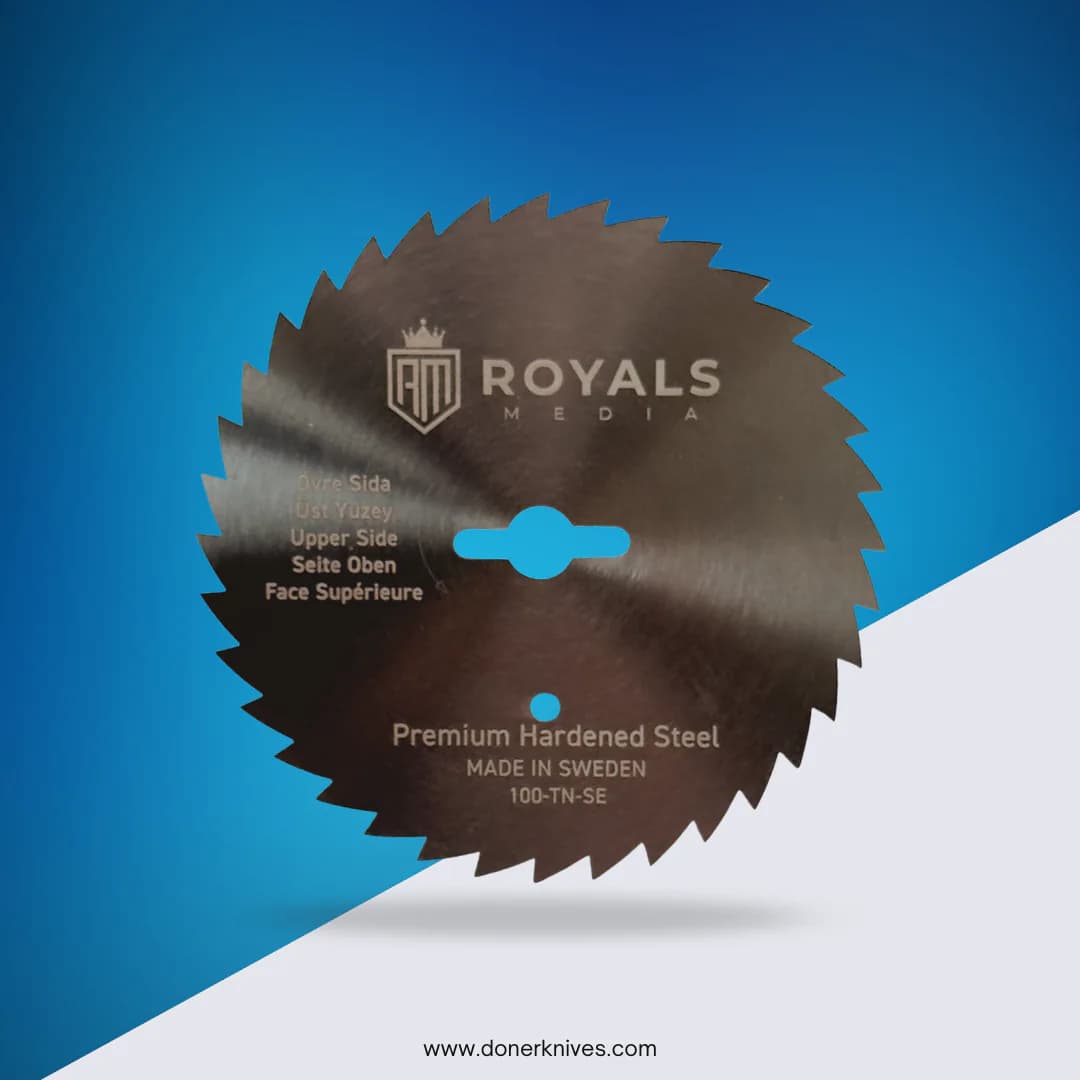
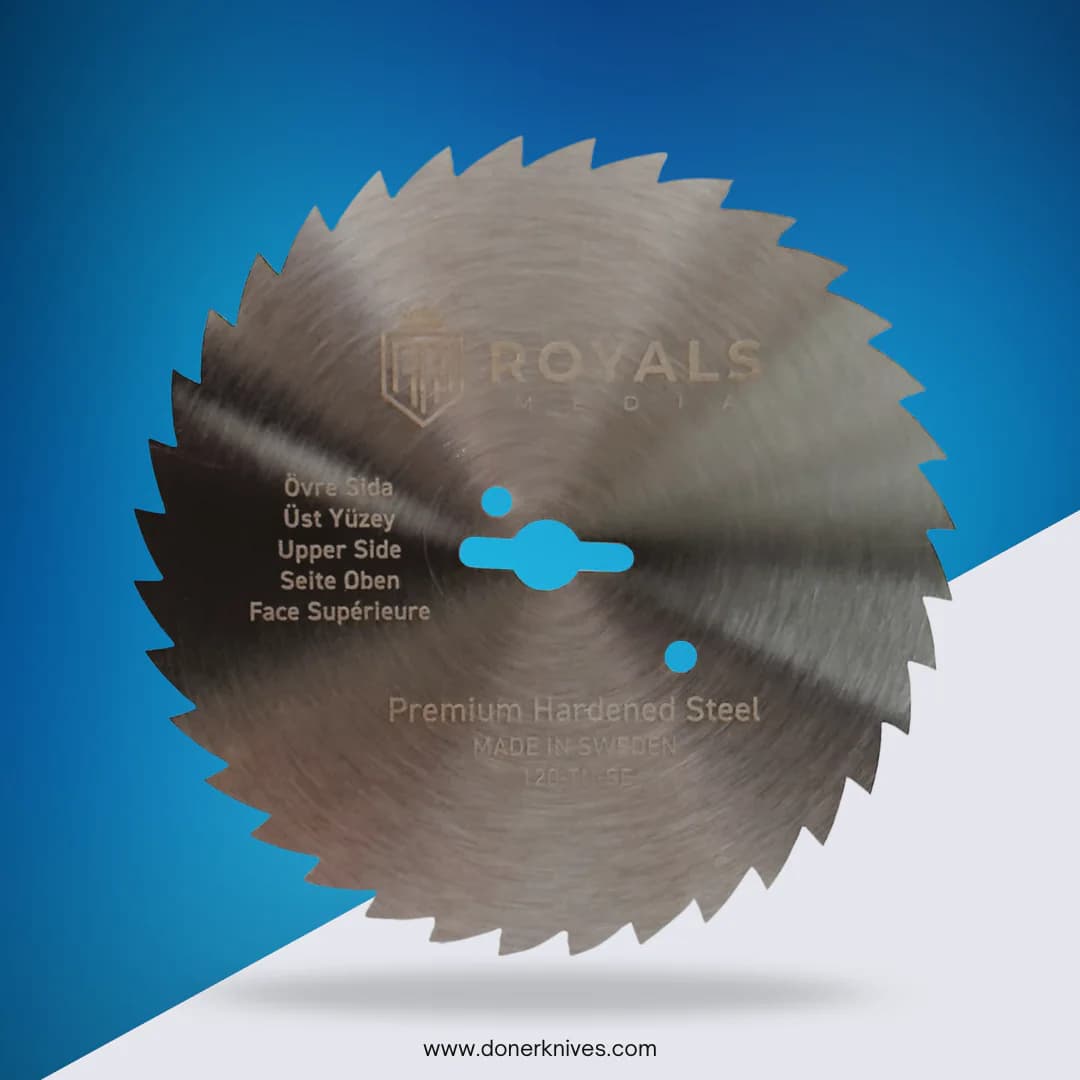
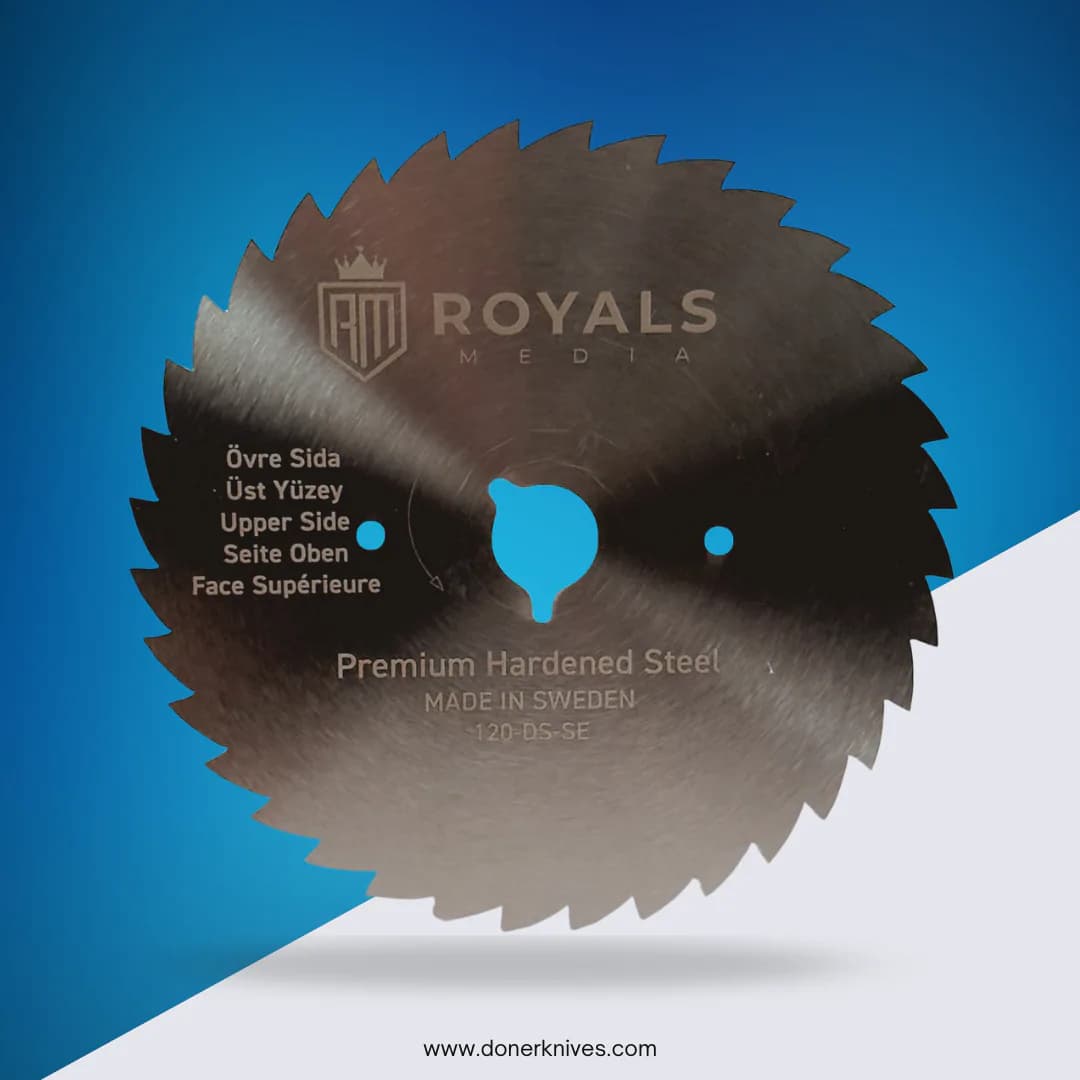
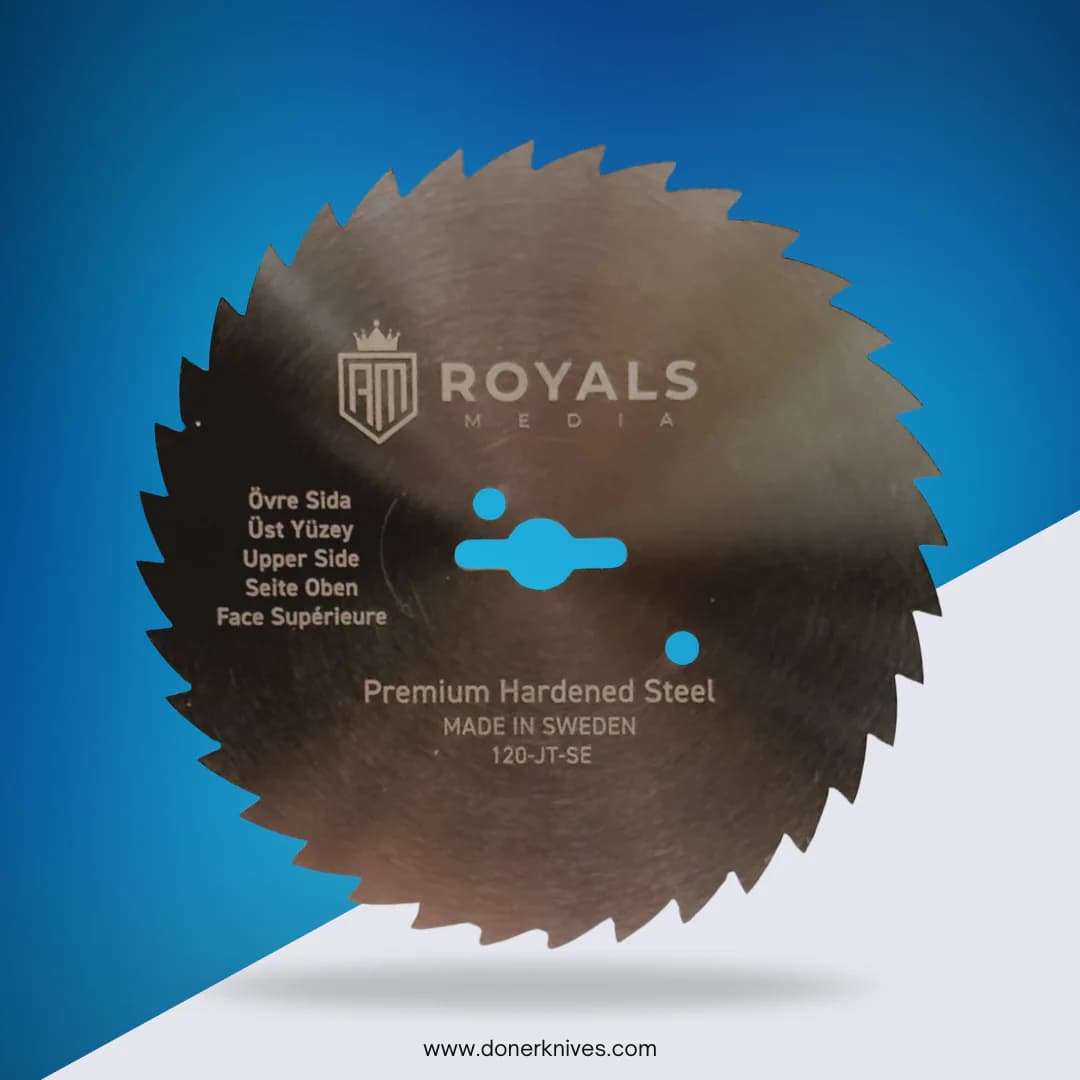
All our blades, from 140mm Universal – 4 Hole to 100mm Tandir – Serrated, are crafted from the same durable stainless steel. Quality is high, but even the best steel requires care.
Step-by-Step Guide: How to Maintain Your Doner Knife Blade
Follow these steps after each use or at minimum daily during continuous operation. Safety first: always ensure the machine is completely powered off and unplugged before starting.
Step 1: Disassembly and Pre-Cleaning
Remove the blade carefully from the doner machine. Rinse it immediately under warm running water to remove large meat and fat particles. Never apply hot water directly to a cold blade, as this thermal shock may damage the steel. Let warm water work to dissolve fat buildup.
Step 2: Thorough Cleaning with Mild Detergent
Use a soft sponge or brush with mild dish soap. Clean both sides of the blade, paying close attention to attachment points (holes) and the entire edge. For serrated blades, use a soft-bristle brush to reach every tooth. Never scrub with metal objects. A clean blade is a hygiene necessity.
Step 3: Rinsing and Drying
Rinse the blade thoroughly under running water to remove all soap and residue. Dry it immediately and thoroughly with a clean, dry microfiber cloth. This is the most critical step to prevent water spots and corrosion. Stainless steel isn’t fully immune to stains if moisture is left to evaporate.
Step 4: Inspection and (Optional) Oiling
Hold the blade to the light to inspect the edge for marks, nicks, or dullness. For professional users storing blades long-term, a very thin layer of food-safe machine oil (e.g., mineral oil) can be applied to the dry surface for extra moisture protection. This is rarely needed for daily use.
Step 5: Secure Storage
Store the blade in a dry, clean area, ideally in its original packaging or a dedicated holder where it can’t be damaged or contact other hard objects. Avoid stacking unprotected blades on top of each other.
3 Expert Tips for Professionals
- Sharpen correctly: Smooth blades can be gently honed with a honing rod if experienced. Serrated blades should always be professionally sharpened with proper equipment to preserve the tooth geometry. Improper sharpening permanently damages the blade. Read our guide on Serrated vs Smooth Doner Blade: Which to Choose? for more on maintenance differences.
- Temperature management is key: Never let a hot blade contact cold water or vice versa. Allow it to reach room temperature before cleaning to avoid steel cracking.
- Document maintenance: Keep a simple log of cleaning and sharpening dates. This aids scheduling and demonstrates professional hygiene practices to food safety authorities.
Common Mistakes to Avoid
- Dishwasher use: NEVER place a doner knife blade in a dishwasher. Aggressive chemicals, high temperatures, and forceful water jets can damage the edge, cause corrosion, and weaken attachment points.
- Using abrasive or incorrect cleaning agents: Strong alkalis, chlorine, or rust removers can etch the steel and destroy its protective surface layer.
- Leaving residue to "set": The longer meat particles and fat remain, the harder they are to clean and the greater the risk of bacterial growth. Clean immediately after use.
- Improper sharpening techniques: Attempting to sharpen a serrated blade with a standard whetstone will completely ruin its cutting properties. Uncertain? Let the professionals handle it.
- Poor storage: Throwing the blade into a toolbox with other tools leads to nicks, dulling, and damage affecting sharpness and safety.
FAQ: Common Questions About Doner Knife Blade Maintenance
How often should I sharpen my doner knife blade?
This depends on usage. In heavy professional operations, a smooth blade may need honing weekly, while a serrated blade can last several months. Signs include requiring more force to cut or the blade "dragging" meat instead of slicing cleanly. Regardless of model, such as 120mm Jet – Smooth or 120mm Dost – Serrated, regular checks are key.
Can I use steel wool to remove stubborn stains?
Absolutely not. Steel wool scratches the polished surface of stainless steel, creating microscopic grooves where dirt and bacteria accumulate. Instead, use a baking soda and water paste or a stainless steel-specific cleaner.
Why is immediate drying so important?
Stainless steel stains when minerals in water (limescale) dry on the surface. Moreover, even stainless steel can develop surface corrosion (pitting) over time if moisture with salts from meat remains. A dry blade = a safe and clean blade.
Does the same maintenance apply to all blade types?
Basic cleaning is identical. The key difference lies in sharpening techniques. See our in-depth comparison in Serrated Doner Knife: All Sizes Compared 2026 for specific serrated blade advice. The serrated vs. smooth choice affects maintenance more than, for example, a 140mm Universal – 2 holes vs. 120mm Tandir – Smooth.
My blade has small nicks. Can they be repaired?
Minor nicks can often be professionally honed away. Larger damage or cracks requires blade replacement for safety reasons. A damaged blade can shatter at high rotational speeds.
How do I determine the right maintenance for my specific blade?
Start by identifying your machine and compatible blade. Our guide Doner Knife Blade Guide: Choose the Right One helps you find the right one. Once you know your blade type (e.g., Universal 3-hole, Dost serrated), apply the routines above. Proper maintenance begins with the correct blade for your machine.
In summary, doner knife blade maintenance combines meticulous hygiene, safe handling, and knowledge of your specific tool. By following these routines, you ensure your blade – regardless of size, compatibility, or edge type – delivers years of reliable and safe service. It’s about respecting the tool that’s at the heart of your doner production. For more tips on maximizing longevity, visit our article Doner Knife Blade Maintenance: Step-by-Step Guide.
Related articles
Get the right blade for your machine
Professional doner knife blades. Delivery across Europe.