January 20, 2026
Serrated Doner Knife Blade: Complete Guide 2026
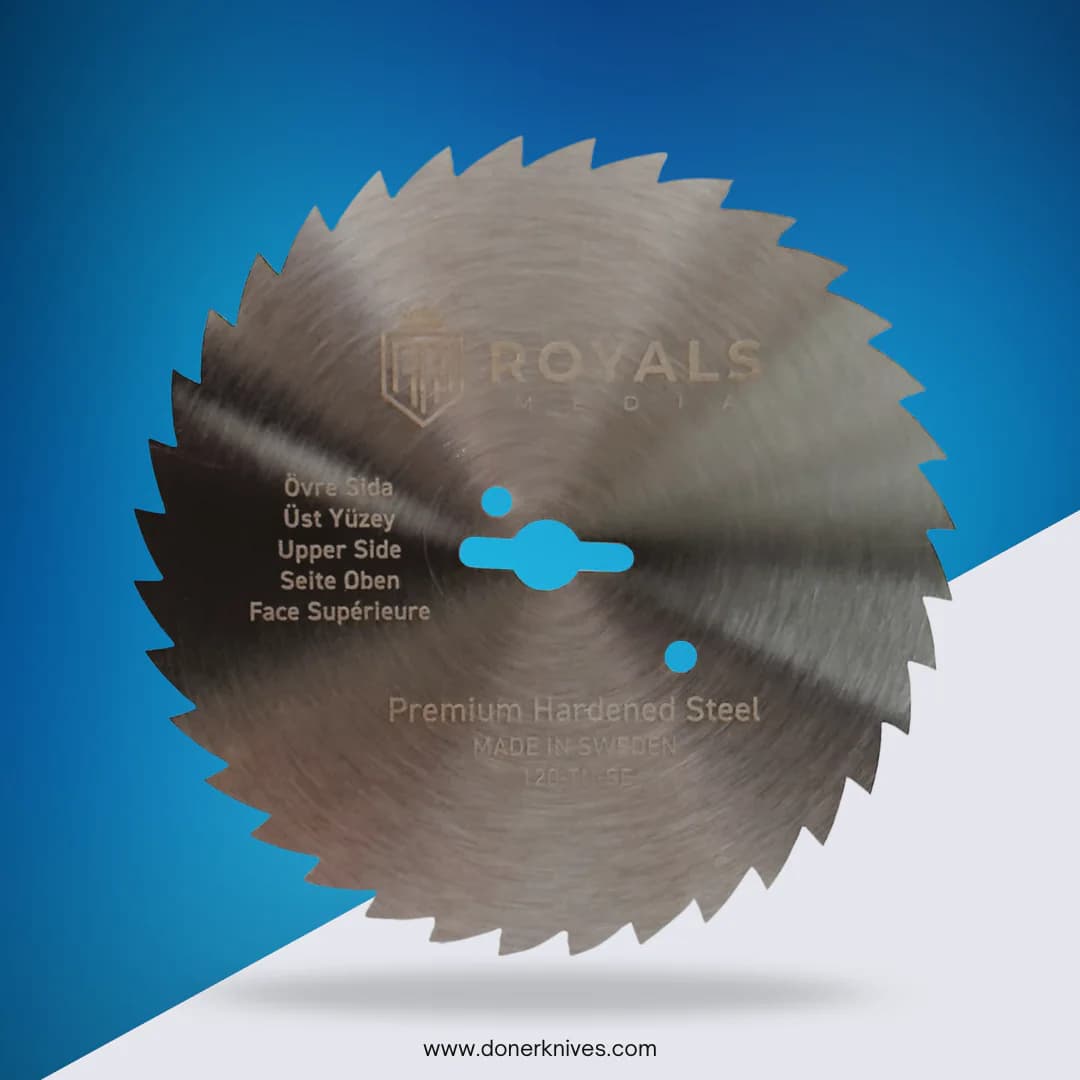
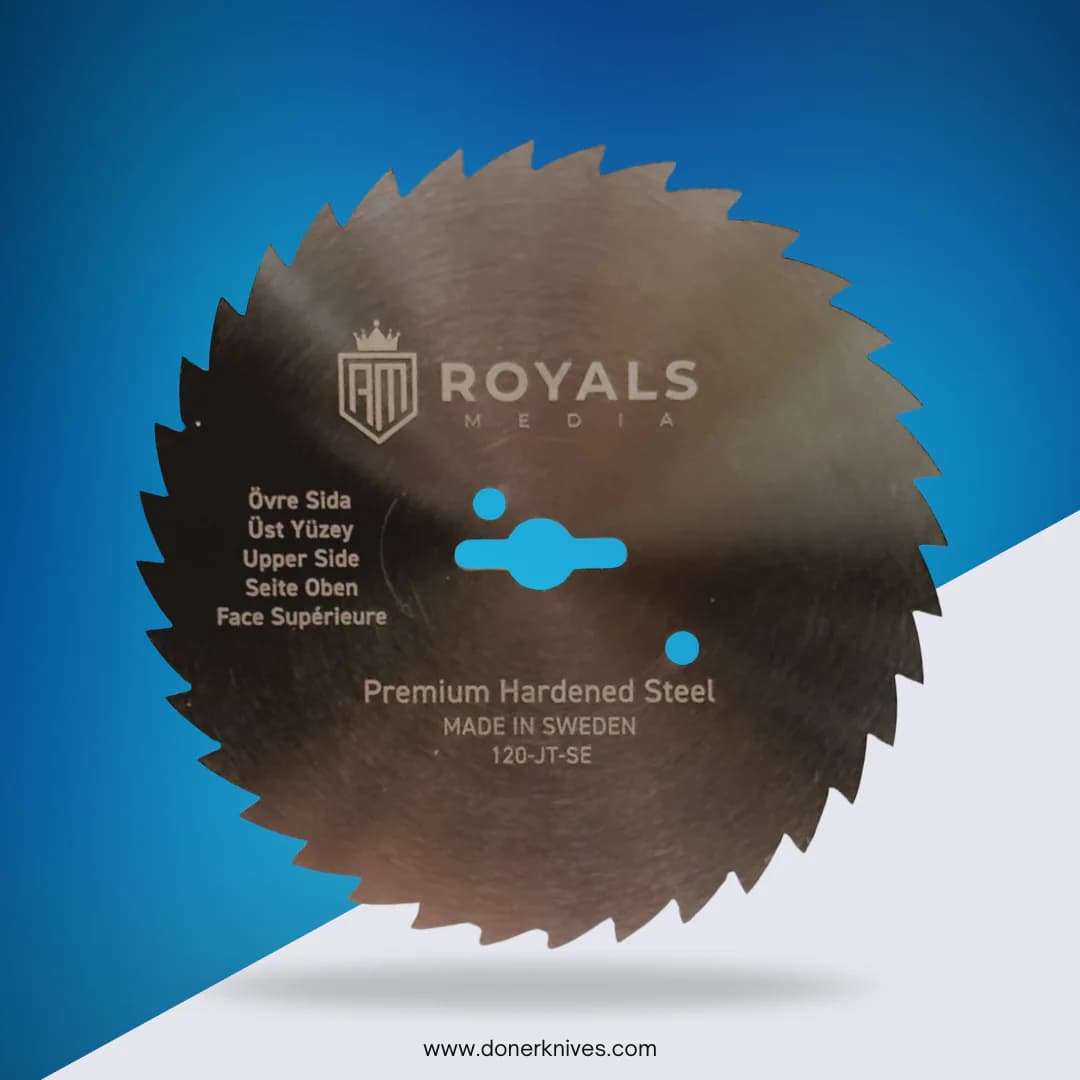
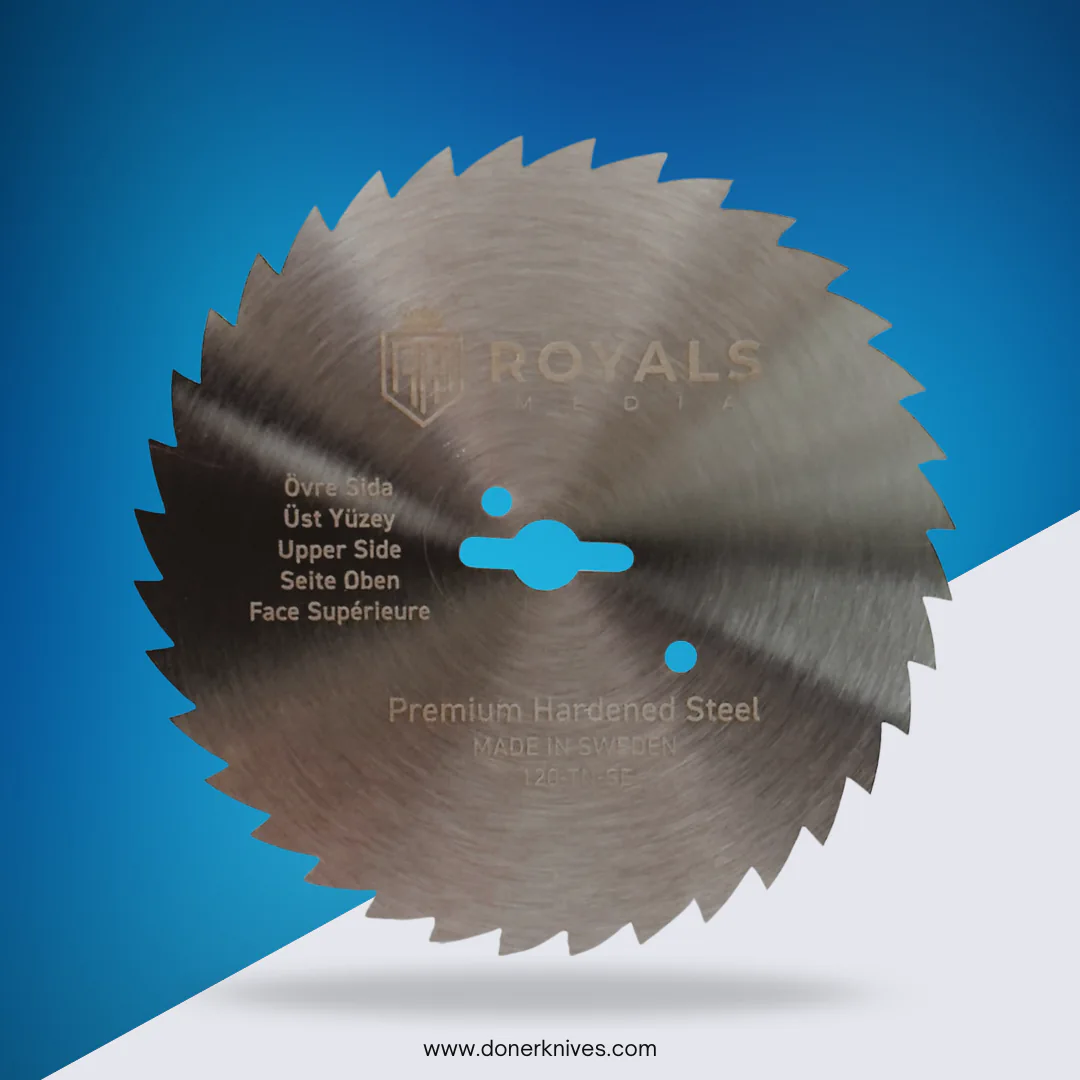
A serrated doner knife blade—often referred to as a "serrated" in the industry—is a specially designed blade with a saw-tooth edge. Unlike a smooth blade that cuts, a serrated blade grips and "saws" through the meat. For many doner professionals, this is the optimal choice for controlled, safe, and efficient slicing that keeps meat on the spit. The key point to understand is that all our blades, whether serrated or smooth, are made from the same high-quality stainless steel. The difference lies not in quality, but in functionality and machine compatibility. This guide will help you determine when a serrated blade is the right choice for your specific doner machine and workflow.
What is a Serrated Doner Knife Blade?
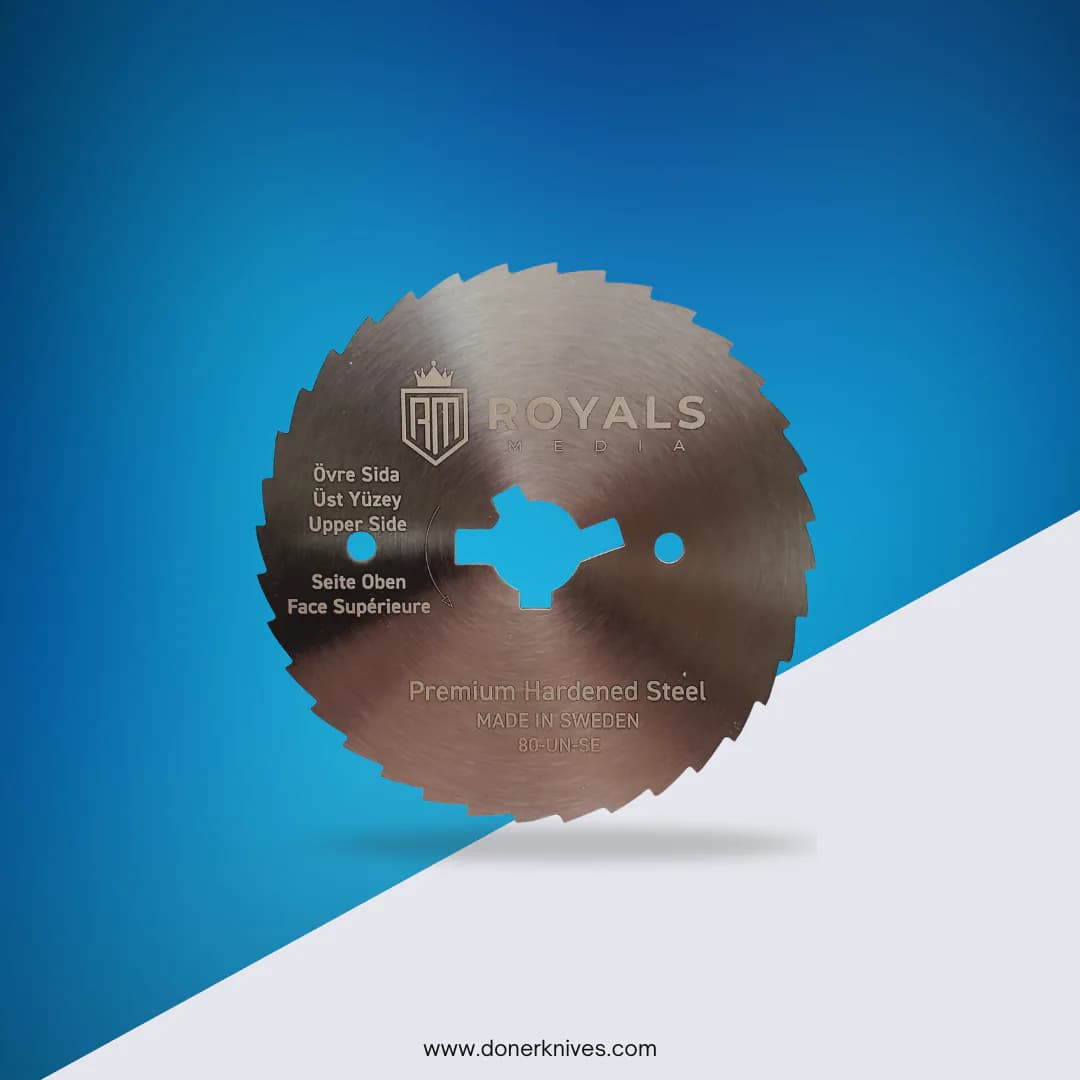
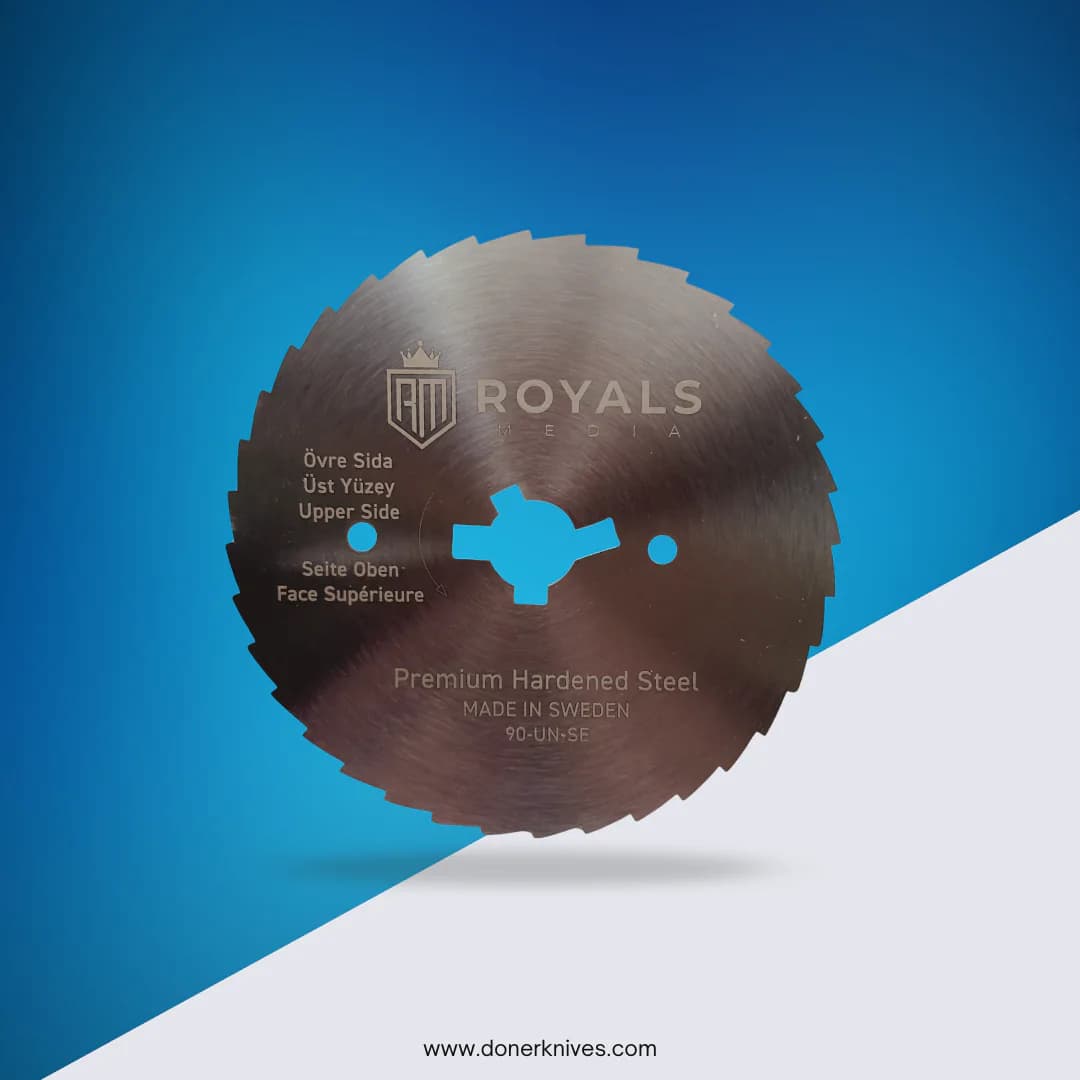
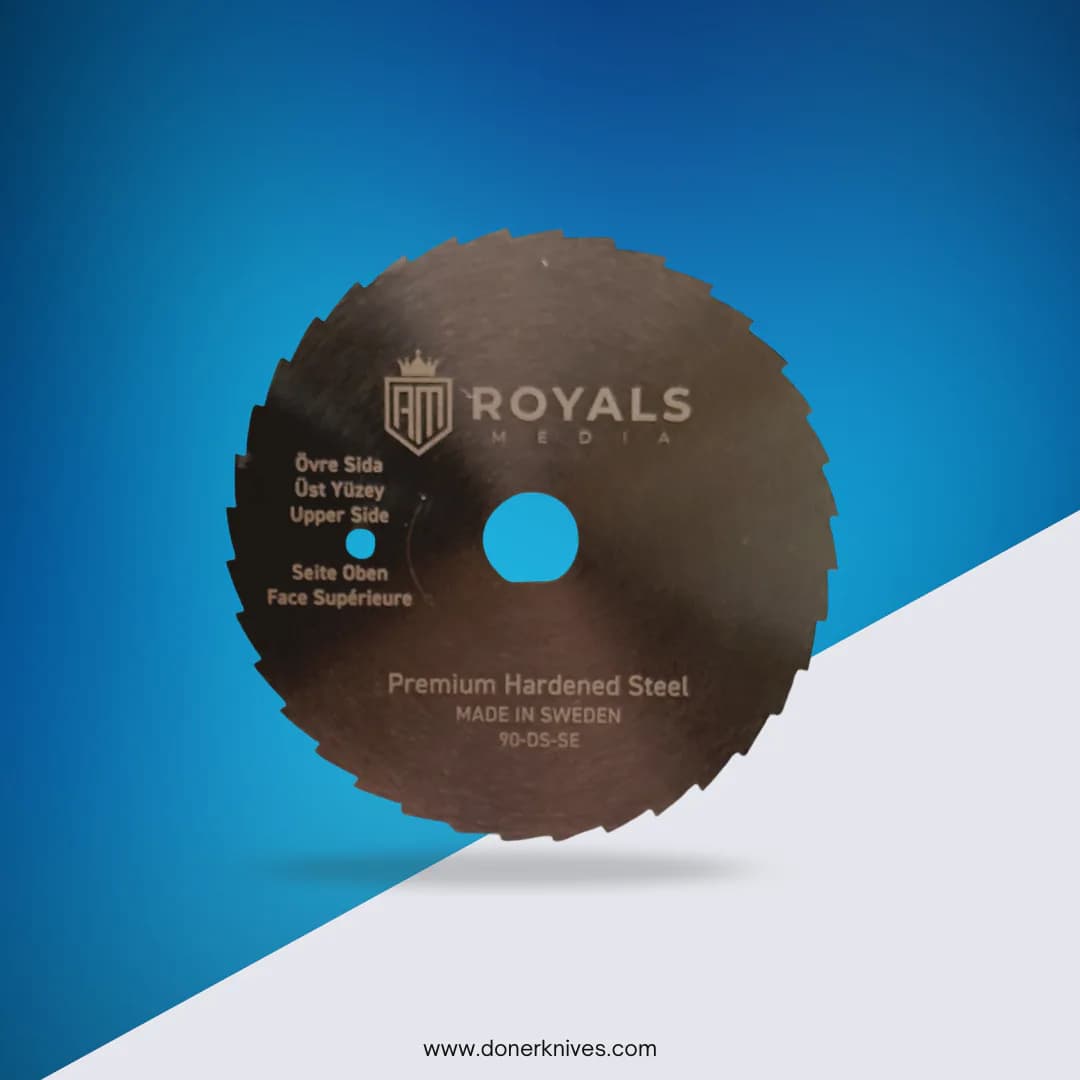
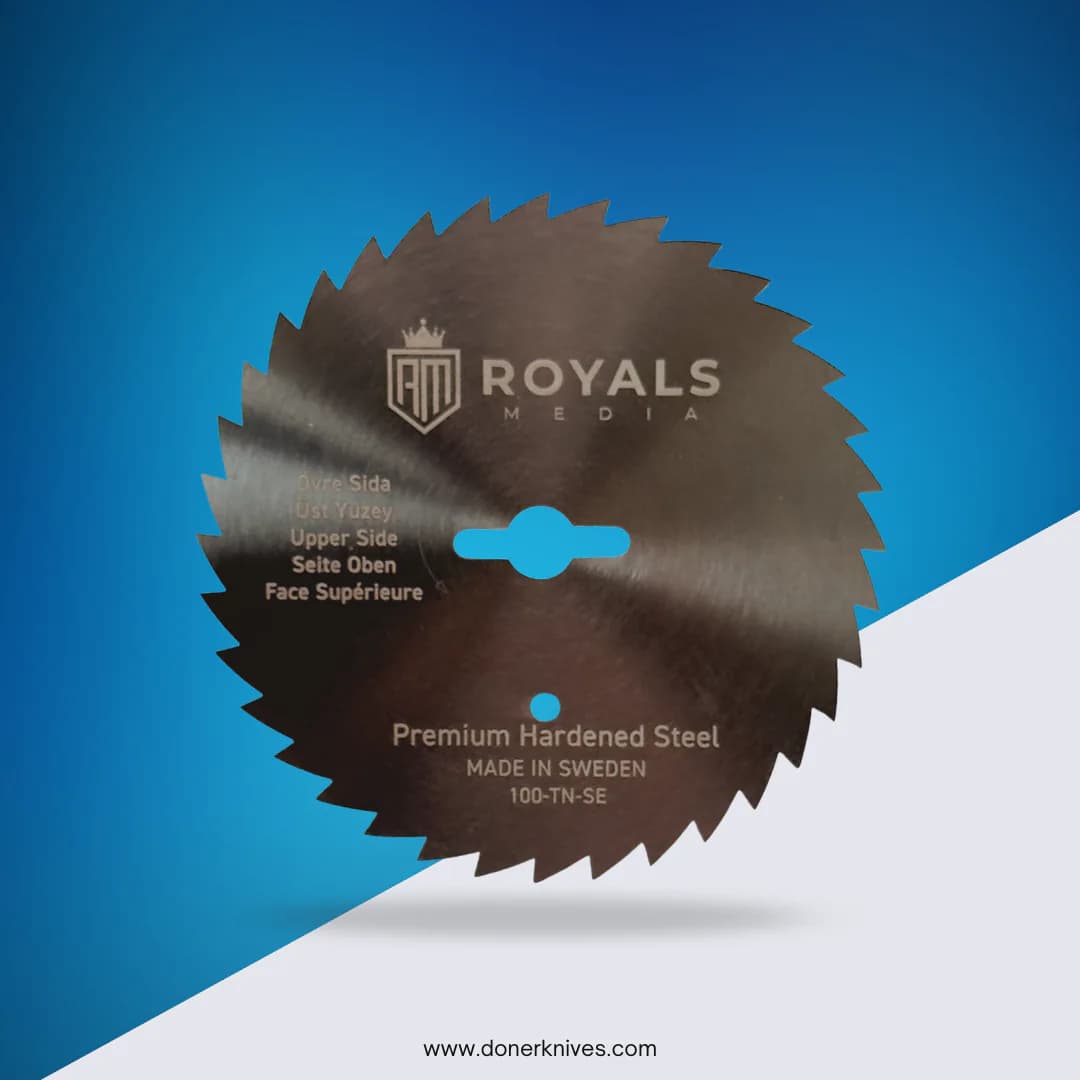
A serrated doner knife blade is characterized by its toothed or saw-toothed edge. Each "tooth" acts as a small hook that grips meat fibers. As the blade rotates against the heated spit, it doesn’t just cut—it grips and pulls through the meat with minimal resistance. This creates a unique slicing sensation valued for its control. Regardless of whether you choose a serrated blade from our range, such as 120mm Jet – Serrated or 120mm Dost – Serrated, the steel quality and durability remain consistent. The choice comes down to functional preference and technical compatibility.
Benefits of a Serrated Doner Knife Blade
Why do so many restaurants and food trucks choose a serrated blade? The answer lies in the practical advantages that directly impact workflow and final results.
- Superior Grip: The tiny teeth "bite" into the meat surface, eliminating the risk of the blade slipping. This is particularly advantageous when cutting through tough cuts, skin, or uneven meat textures.
- Stabler and Safer Slicing: Since the blade grips the meat, less pressure is required from the operator. This reduces vibration risks and makes the slicing process more predictable and safe, a critical factor for workplace safety.
- Ideal for Thin Slices: The serration helps produce even, thin slices without tearing the meat. It’s perfect for the classic, thin doner slices many professionals prefer.
- Less Sharpening Needed: A serrated blade retains its functional sharpness for longer between sharpenings. Even if the teeth dull, they continue to perform effectively for gripping long after a smooth blade would require resharpening.
When to Choose Serrated Over Smooth Blades
The choice between serrated and smooth blades depends entirely on your needs and preferences. Read our in-depth comparison in Serrated vs Smooth Doner Blade: Which to Choose?. Here are clear scenarios where a serrated blade is often the best option:
- For cutting chicken doner or meat with skin: The serrated blade’s grip is essential for safely handling these challenging textures.
- When prioritizing ergonomics and stability: Reduced risk of unexpected movement makes this a safer option in fast-paced kitchen environments.
- To minimize maintenance frequency: You can often operate for longer between sharpenings with a serrated blade without losing functionality.
- If your machine is Jet, Dost, or Tandir: These models are often designed to leverage both serrated and smooth blades. Ensure you select the correct model, such as 120mm Tandir – Serrated for Tandir machines.
Key Factors to Consider When Choosing a Serrated Blade
Selecting the right serrated blade isn’t about finding the "best"—it’s about matching your equipment and habits perfectly.
1. Machine Brand and Model (The Most Critical Factor)
The first step is to check your doner machine’s brand. A blade designed for a Dost machine rarely fits a Jet model, and vice versa. The mounting points (holes) and blade diameter must align exactly. Our blades are clearly categorized by machine:
- Universal Blades: Fit most common machines. Check the number of holes on your machine’s blade holder (2, 3, or 4) and choose accordingly, e.g., 140mm Universal – 4 Hole.
- Jet Blades: Specifically designed for Jet doner machines. Choose between serrated 120mm Jet – Serrated or smooth variants.
- Dost Blades: Tailored for Dost machines, such as 120mm Dost – Serrated.
- Tandir Blades: For Tandir machines, available in multiple sizes like 100mm Tandir – Serrated and 120mm Tandir – Serrated.
2. Size (Diameter)
The blade diameter (80mm, 90mm, 100mm, 120mm, 140mm) must match your machine’s design. An oversized blade risks colliding with the machine’s hood or guard. An undersized blade won’t reach deep enough into the meat. Refer to your machine’s manual or measure the current blade. 120mm is a common size for professional machines.
3. Number of Mounting Holes
This determines secure attachment. Most machines use 2, 3, or 4 screws to mount the blade. The hole count and placement must exactly match your machine’s holder. Incorrect installation is extremely dangerous. Our universal blades cater to most needs by offering all variants.
Quick Reference Table: Serrated Blades and Machine Compatibility
| Machine Brand/Type | Recommended Serrated Blade | Available Sizes (Examples) | Important Compatibility Info |
|---|---|---|---|
| Universal (multiple brands) | Universal Serrated (2,3,4 holes) | 140mm (2,3,4 holes), other sizes available on request | Check the hole count on your machine carefully. |
| Jet | Jet Serrated | 120mm | Specifically engineered for Jet machines’ mounting system. |
| Dost | Dost Serrated | 120mm | Designed to meet Dost’s specifications. |
| Tandir | Tandir Serrated | 100mm, 120mm | Available in two standard sizes for different Tandir models. |
FAQ: Common Questions About Serrated Doner Knife Blades
Do I need to sharpen a serrated blade?
Yes, but less frequently than smooth blades. When a serrated blade loses sharpness, it’s noticeable through increased resistance or effort required, rather than complete failure. Professional sharpening with proper tools is recommended to maintain the tooth profile. Learn more in our guide on Doner Knife Blade Maintenance: Step-by-Step Guide.
Can I use the same serrated blade on multiple machines?
No, it’s not recommended unless the machines are identical models from the same manufacturer. Mounting systems vary, and improper fit can lead to serious accidents. Always use the blade specifically designed for your machine.
Are serrated blades harder to clean?
They require slightly more attention. Meat particles may stick between teeth. Immediate cleaning with warm water, detergent, and a brush after use is critical for hygiene and rust prevention. Always dry the blade thoroughly afterward.
Which blade is best for home users?
For those using pre-cooked doner spits and slicing at home, a universal serrated blade often provides an excellent balance of control and safety. Ensure your machine accepts universal blades and verify the hole count.
Do serrated blades last longer?
From a functional perspective, yes. Relying on multiple small teeth rather than a single, sharp edge allows the blade to remain effective longer even when not razor-sharp. Resharpening restores optimal performance.
Summary: How to Choose the Right Serrated Blade
Investing in the right serrated doner knife blade is about ensuring compatibility, safety, and efficiency—not comparing quality across models. Follow these four steps:
- Identify your machine: Brand (e.g., Jet, Dost, Tandir) or confirm if it accepts universal blades.
- Check size: Measure your current blade’s diameter or consult the manual (typically 100-140mm).
- Count the holes: The number of mounting holes on your blade holder (2, 3, or 4) is crucial.
- Determine your preference: Do you value the unmatched grip and stability of a serrated blade? If so, it’s the right choice for you.
By focusing on these factors, you can confidently select a blade that ensures years of reliable performance. All our blades are built to last. Explore our range and use this guide to find the perfect match for your doner machine. For more general guidance on blade selection, see our main guide: Doner Knife Blade Guide: Choose the Right One.
Related articles
Get the right blade for your machine
Professional doner knife blades. Delivery across Europe.