December 22, 2025
Serrated vs Smooth Doner Blade: Which to Choose?
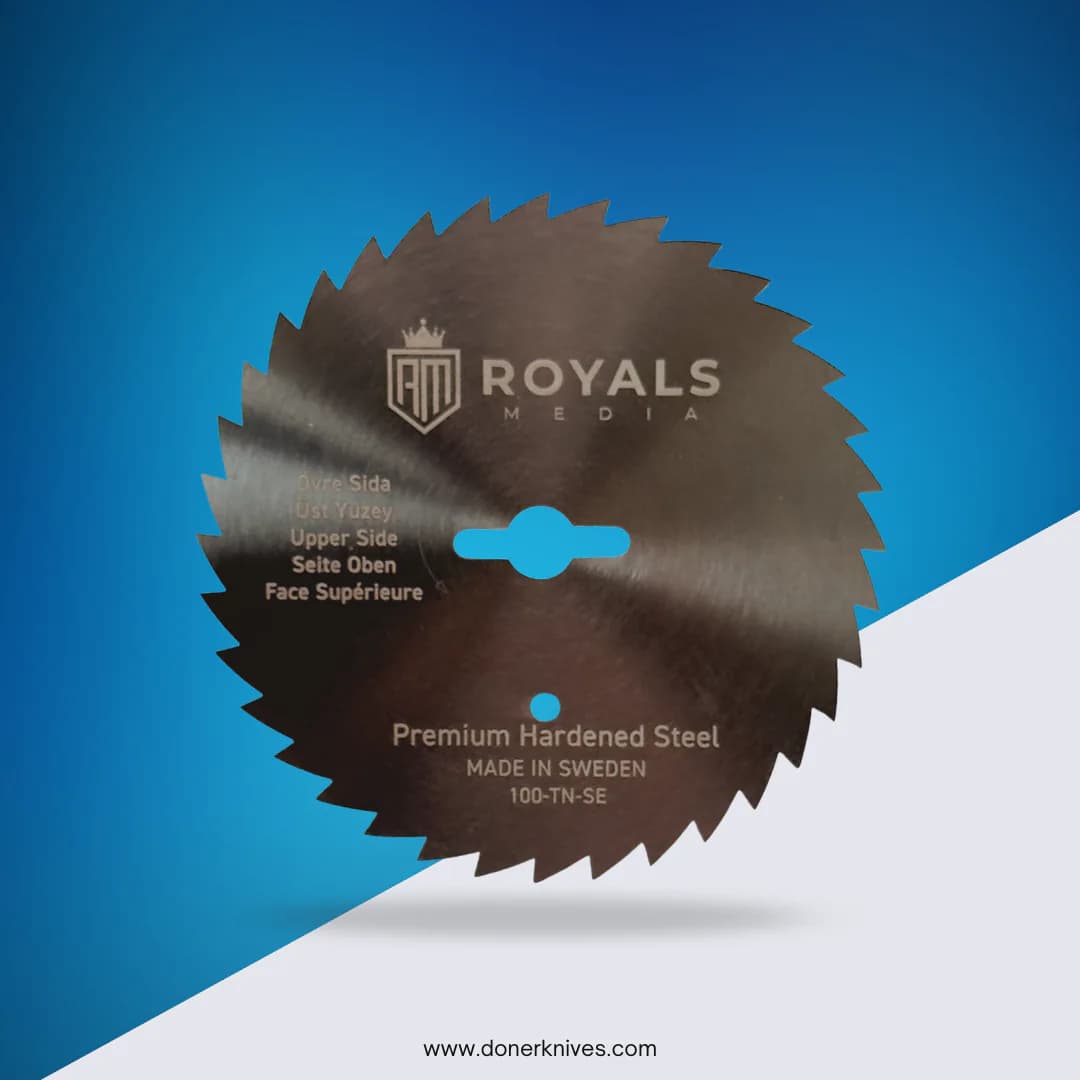
The debate between serrated and smooth döner knife blades is one of the most common questions we receive at Doner Knives. Many believe the choice is about which is "better" or of higher quality. The truth is simpler: all our blades are crafted from the same premium stainless steel. The difference lies not in quality, but in functionality and personal preference. A serrated blade interacts with meat differently than a smooth blade, creating distinct results.
In this article, we compare the two blade types in a practical and unbiased manner. We’ll explore when each type excels, their advantages and disadvantages, and how to easily determine which suits your workflow, machine, and customer expectations best. Remember: the right choice is the one that fits your machine and your needs perfectly.
Serrated vs Smooth Döner Knife Blade: Quick Overview
To provide a clear starting point, here’s a summary of the key differences between serrated and smooth döner knife blades:
| Feature | Serrated Döner Knife (Serrated) | Smooth Döner Knife (Smooth) |
|---|---|---|
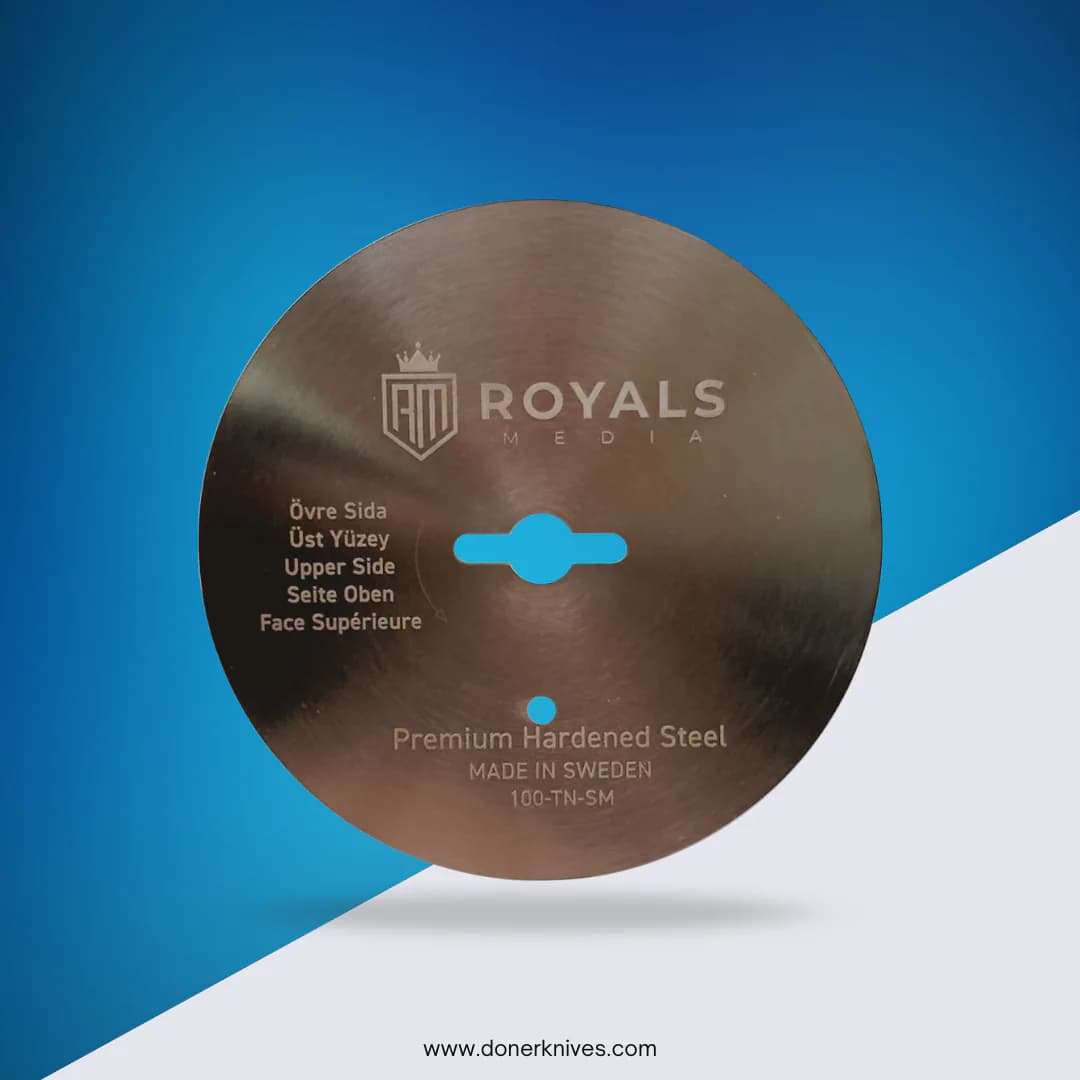
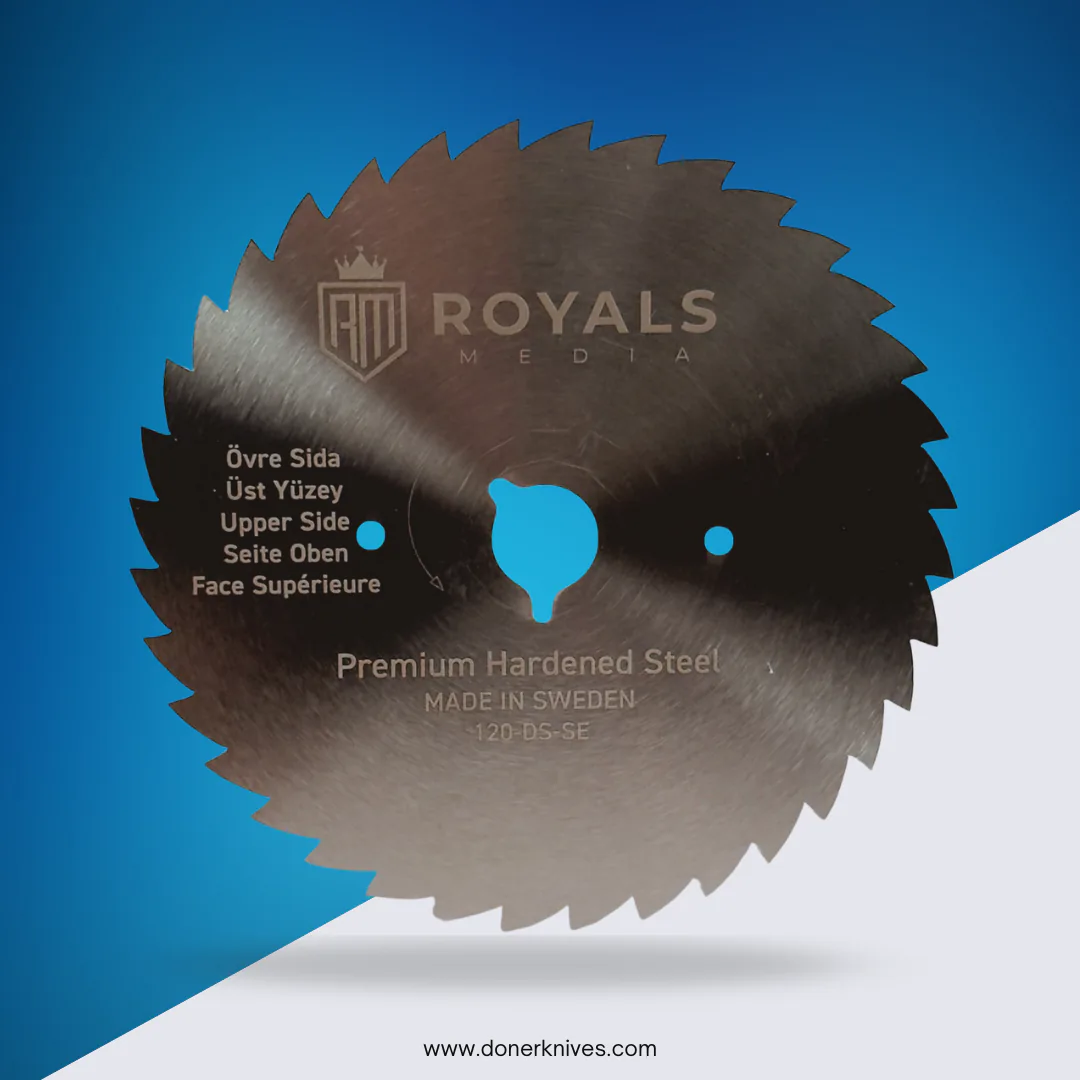
| Blade Type | Features small "teeth" or wave patterns along the edge. | Has a completely straight, uniform edge. |
| Cutting Principle | Cuts and "grips" simultaneously; provides better bite into meat. | Cuts cleanly with a single, smooth motion. |
| Best for Meat Type | Ideal for fresh meat skewers, firmer cuts, and chicken. | Best for whole meat cuts (e.g., prime lamb or beef fillet). |
| Slice Appearance | Produces slightly irregular, "toasted" edges. | Delivers perfectly even, clean, and thin slices. |
| Maintenance & Sharpening | Requires specialized sharpening to retain serrations. | Smaller, easier to sharpen and maintain manually. |
| General Usage | Popular in commercial kitchens; standard for many chefs. | Preferred by home cooks and for specific meat types. |
When to Choose a Serrated Döner Knife?
The serrated döner knife is the industry’s workhorse. The serrated edge—often called "toothed" or "serrated"—acts like tiny levers that anchor into meat fibers. This prevents slippage, even when slicing through tough or fresh meat structures. It provides an active cutting motion that combines slicing with a light sawing action.
Opt for a serrated blade if:
- Your skewer contains fresh meat blends: Most modern döner skewers use mechanically tenderized meat. The serrations stabilize the blade, preventing it from sticking or dragging meat.
- You’re slicing chicken or turkey: Poultry has a different fiber structure and can be tougher. A serrated blade handles this efficiently.
- You prioritize maximum control and safety: The blade "bites" into the meat, giving chefs a sense of full control, especially at high cutting speeds.
- You prefer a more "toasted" or traditional look: Slices gain a textured edge, which many associate with authentic döner presentation.
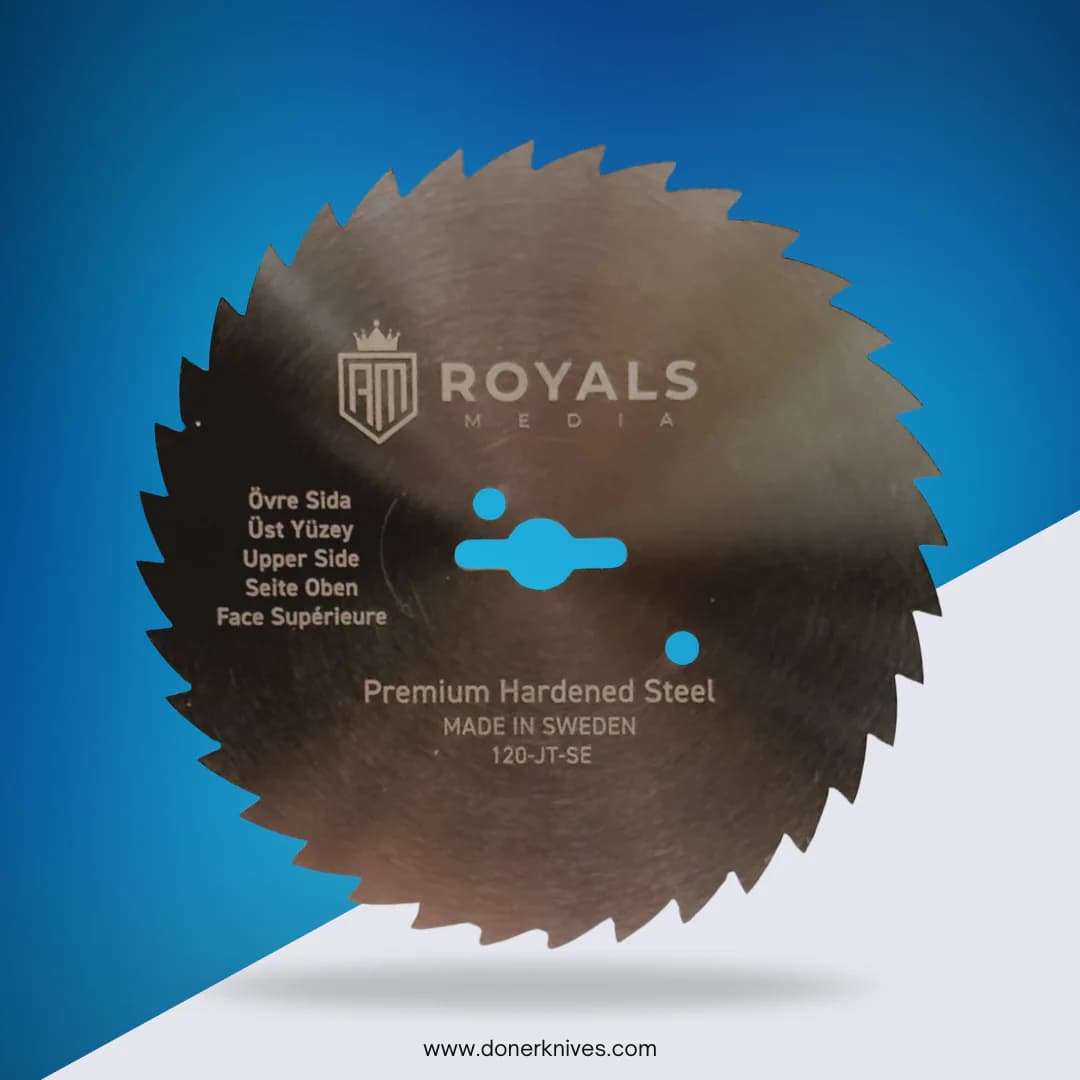
Popular serrated blade options from us include 120mm Jet – Serrated for Jet machines and 120mm Tandir – Serrated for Tandir machines.
When Is a Smooth Döner Knife the Better Choice?
A smooth döner knife, with its perfectly straight, razor-sharp edge, is the tool of precision. It cuts through meat cleanly without tearing, producing exceptionally thin and uniform slices. This clean cut minimizes fiber compression, preserving the meat’s texture and appearance.
Choose a smooth blade if:
- You work with whole cuts ("islim") or premium skewers: For skewers made from entire lamb fillets, beef, or similar, a smooth blade highlights the meat’s quality with elegant, pristine slices.
- Esthetics and slice thickness are critical: Restaurants showcasing ultra-thin, translucent slices will find a smooth blade unmatched in presentation.
- You value simple maintenance: Sharpening a smooth edge is straightforward and often done manually with standard tools. For care tips, read our guide on Doner Knife Blade Maintenance: Step-by-Step Guide.
- You’re an enthusiastic home cook: Many hobbyists prefer the clean cut and control of a smooth blade for homemade döner.
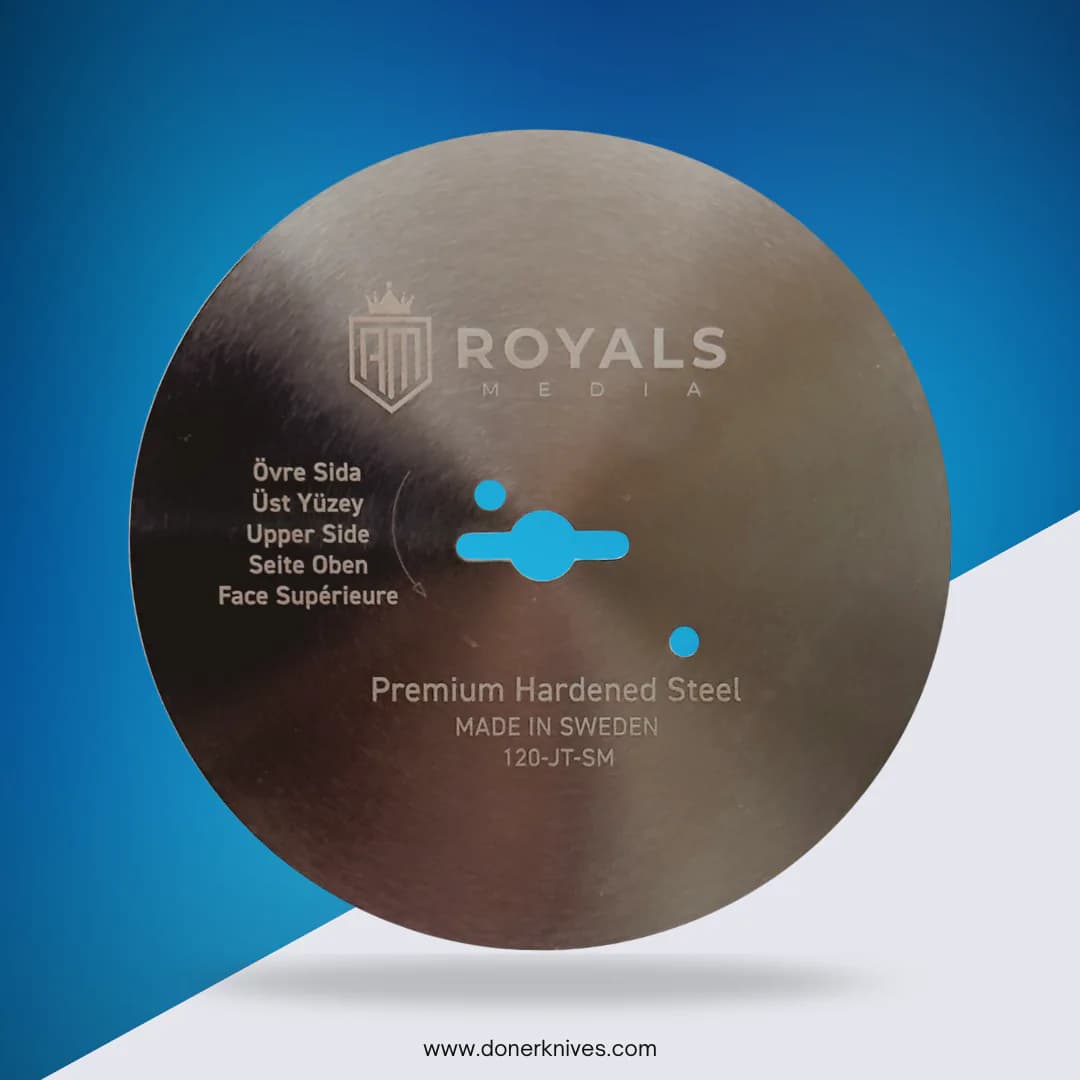
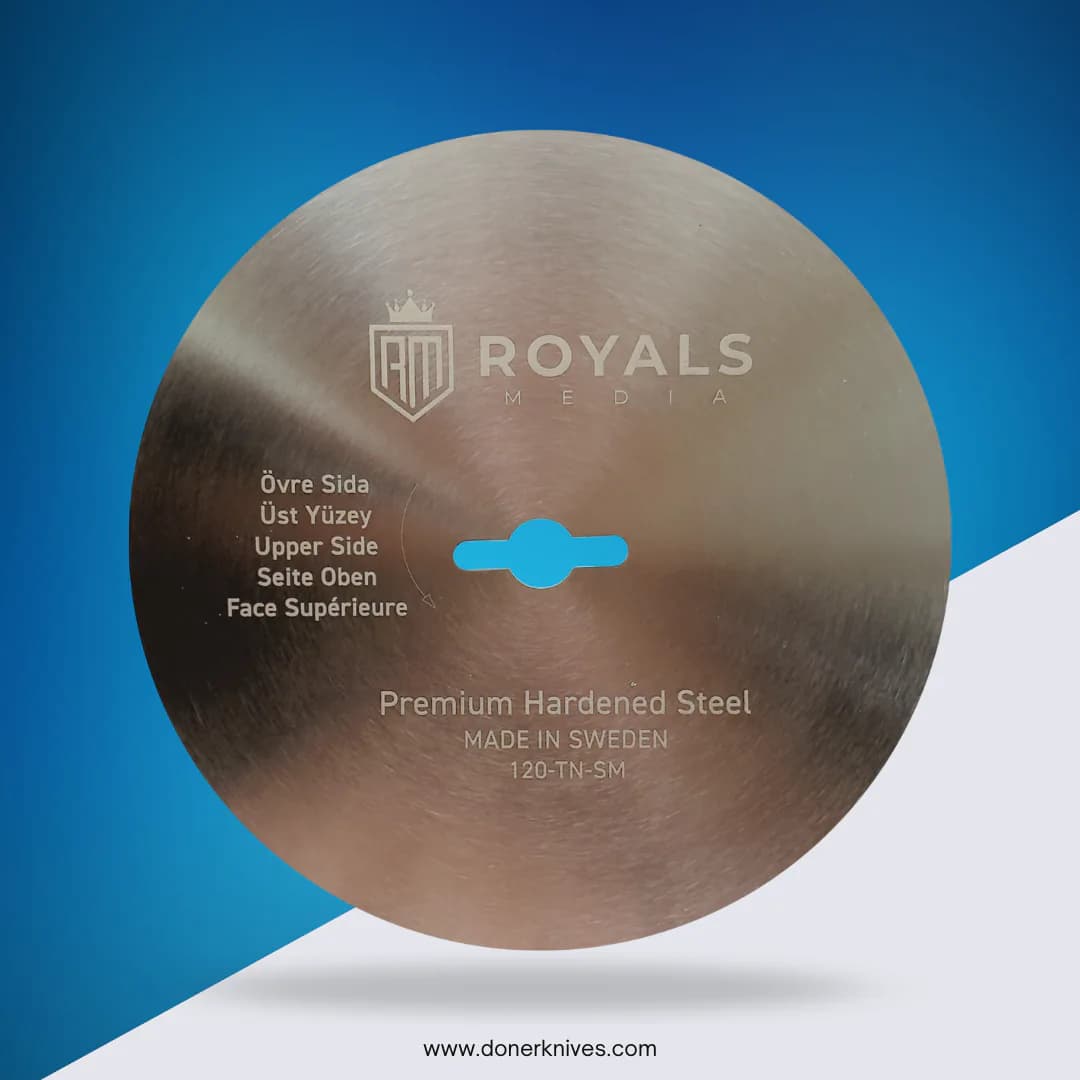
Explore our selection of smooth blades, such as 120mm Jet – Smooth for Jet machines or 120mm Dost – Smooth for Dost machines.
How Does Blade Choice Impact Food Quality and Safety?
Both serrated and smooth blades, when sharp and well-maintained, are excellent for food safety. A sharp knife requires less force and creates cleaner cuts, reducing contamination risks. A dull blade—regardless of type—can damage meat cells more, potentially affecting juiciness and increasing bacterial growth on the surface.
According to FDA guidelines, hygiene depends on proper cleaning and sharpness. Serrated blades require more attention to clean grooves and serrations thoroughly. Smooth blades are easier to sanitize completely. Regardless of your choice, regular cleaning with appropriate solutions and proper air-drying is essential. The steel quality—identical in all our blades—ensures corrosion resistance and longevity with proper care.
How to Determine the Correct Blade for Your Döner Machine?
Before choosing serrated or smooth, ensure mechanical compatibility. Selecting the right blade size and mounting system is the most critical step.
- Check your machine’s brand and model: Is it Jet, Dost, Tandir, or a universal model? This is usually printed on the machine itself.
- Measure the old blade’s diameter: Use a caliper to measure across the blade (in millimeters). Common sizes are 100mm, 120mm, and 140mm.
- Count the mounting holes and note their placement: Does the blade have 2, 3, or 4 holes? Take a photo of the back if unsure.
- Select blade type: Once you know your machine’s requirements (e.g., "120mm for Dost"), choose between the serrated or smooth variant of that blade.
Our detailed guide Doner Knife Blade Guide: Choose the Right One walks you through this step-by-step for all major machine brands.
Common Questions About Serrated and Smooth Döner Knife Blades (FAQ)
Can I use the same blade for fresh and whole meat skewers?
Absolutely. Both blade types can cut both meat types, but the preferred performance varies. Serrated blades are more versatile for different skewer types, while smooth blades truly excel with whole cuts. Many commercial kitchens keep both and switch based on the skewer being served.
Is a serrated knife harder to sharpen than a smooth one?
Generally, yes. Sharpening serrated edges often requires specialized tools (like a conical sharpening stone or a machine with the correct profile) to maintain tooth shape and angle. Smoothing a smooth edge is simpler, using standard stones or pull-through sharpeners. We recommend professional sharpening for serrated blades to ensure optimal results. Learn more techniques in our maintenance guide Doner Knife Blade Maintenance: Step-by-Step Guide.
Which blade type retains sharpness longer?
With identical steel quality and usage, both dull at a similar rate. Retention depends primarily on: 1) Frequency of use, 2) Meat type (fresh meat dulls faster), and 3) Maintenance precision. A dull serrated blade may still "grip" through meat, while a dull smooth blade simply stops cutting, making its need for sharpening more obvious.
Is there a "best" combination of size and blade type?
No universal "best" exists. The optimal choice depends on your machine. A versatile size is 120mm, fitting many mid-to-large machines. If your machine accepts 120mm, you can freely choose between serrated and smooth. Explore our 120mm blades for various brands like 120mm Jet – Serrated, 120mm Jet – Smooth, and 120mm Dost – Smooth.
Can I switch between serrated and smooth blades on the same machine?
Yes, as long as the new blade matches the exact diameter and mounting hole pattern of the original. Compatibility is determined by the machine’s physical design, not blade type. For example, a Jet machine with a 120mm serrated blade and 3 holes will accept a 120mm smooth Jet blade with 3 holes perfectly.
Summary: The Right Choice Depends on Your Needs
Selecting between serrated and smooth döner knives isn’t about good vs. bad, but choosing two distinct tools for slightly different workflows. In short:
- Choose serrated for reliable performance on fresh meat skewers, chicken, and when you need maximum control with a traditional, textured slice appearance.
- Choose smooth for pristine, ultra-thin slices from whole cuts, when aesthetics matter, or if you prefer easier maintenance.
The most important step is first ensuring mechanical compatibility with your machine. All our blades share the same exceptional quality in stainless steel—the difference you experience stems entirely from how the blade’s edge interacts with your skewer. Need help identifying the correct blade for your machine? Our guide Doner Knife Blade Guide: Choose the Right One is the perfect next step.
Related articles
Get the right blade for your machine
Professional doner knife blades. Delivery across Europe.