January 12, 2026
Serrated Doner Knife: All Sizes Compared 2026
Choosing the right serrated doner knife isn't about finding the "best" or most expensive model. All our blades are crafted from the same high-quality stainless steel with exceptional durability. The difference lies entirely in the size and mounting that suits your specific mincer. A poorly chosen knife simply won't work. This guide compares our serrated models based on practical criteria like machine compatibility, blade size, and your cutting needs, helping you make a secure, accurate purchase.
Overview: Our Serrated Doner Knives
Below is a quick comparison of our popular serrated knives. Remember, the quality is identical across all models.
| Product | Blade Diameter | Machine Compatibility | Number of Mounting Holes | Link |
|---|---|---|---|---|
| 140mm Universal – Serrated | 140 mm (5.5 inch) | Universal (fits most large machines) | 2, 3 or 4 holes (choose based on your machine) | 140mm 4-hole, 3-hole, 2-hole |
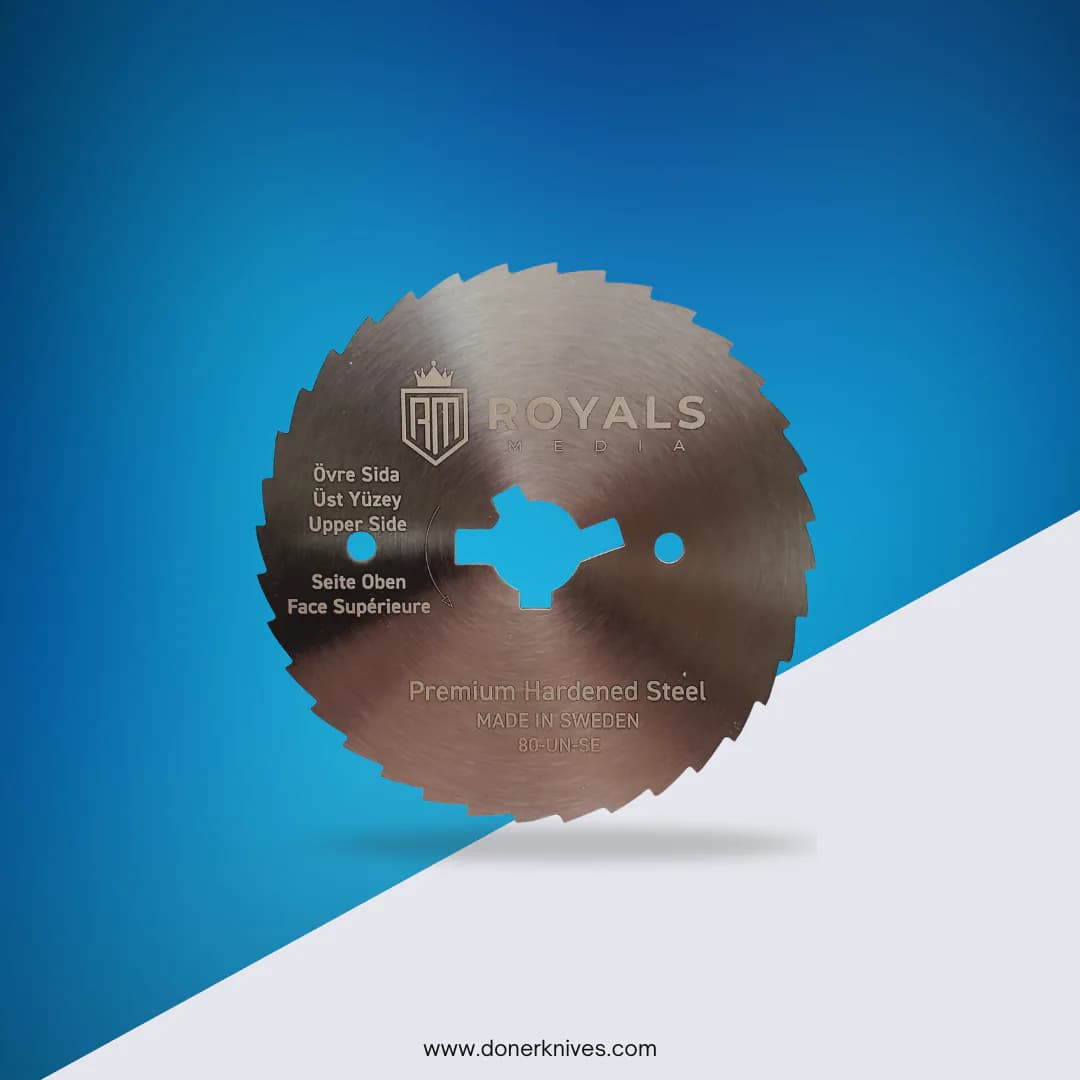
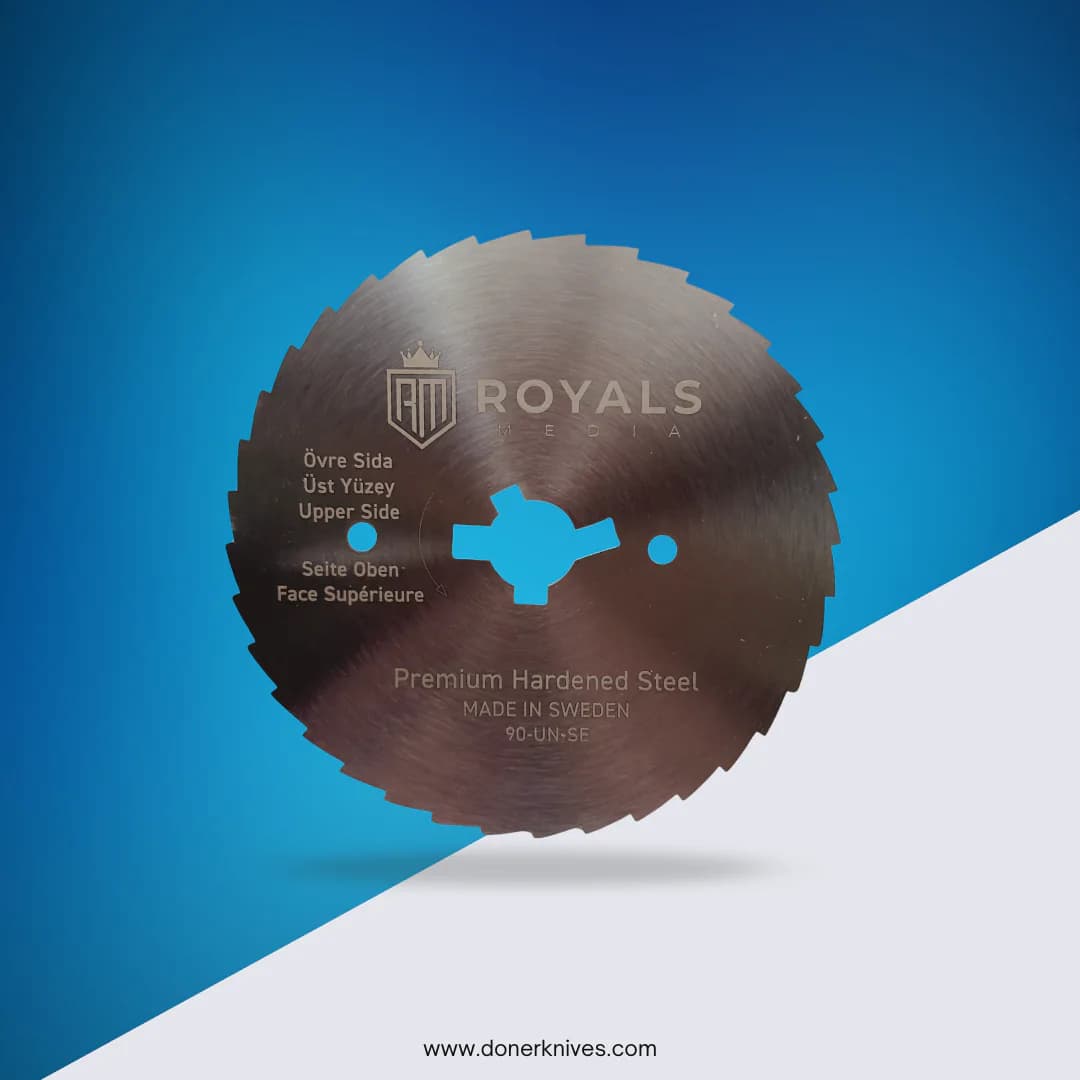
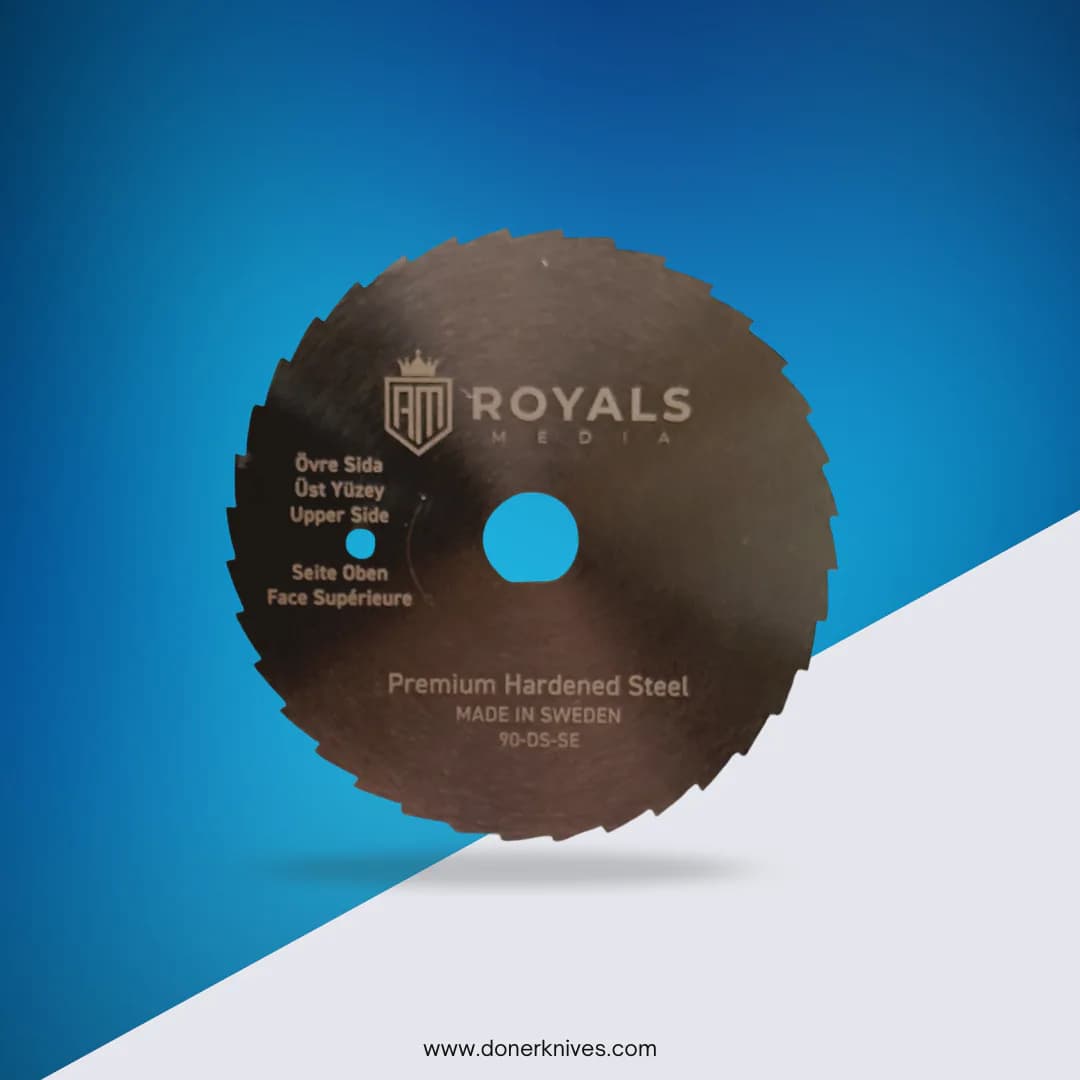
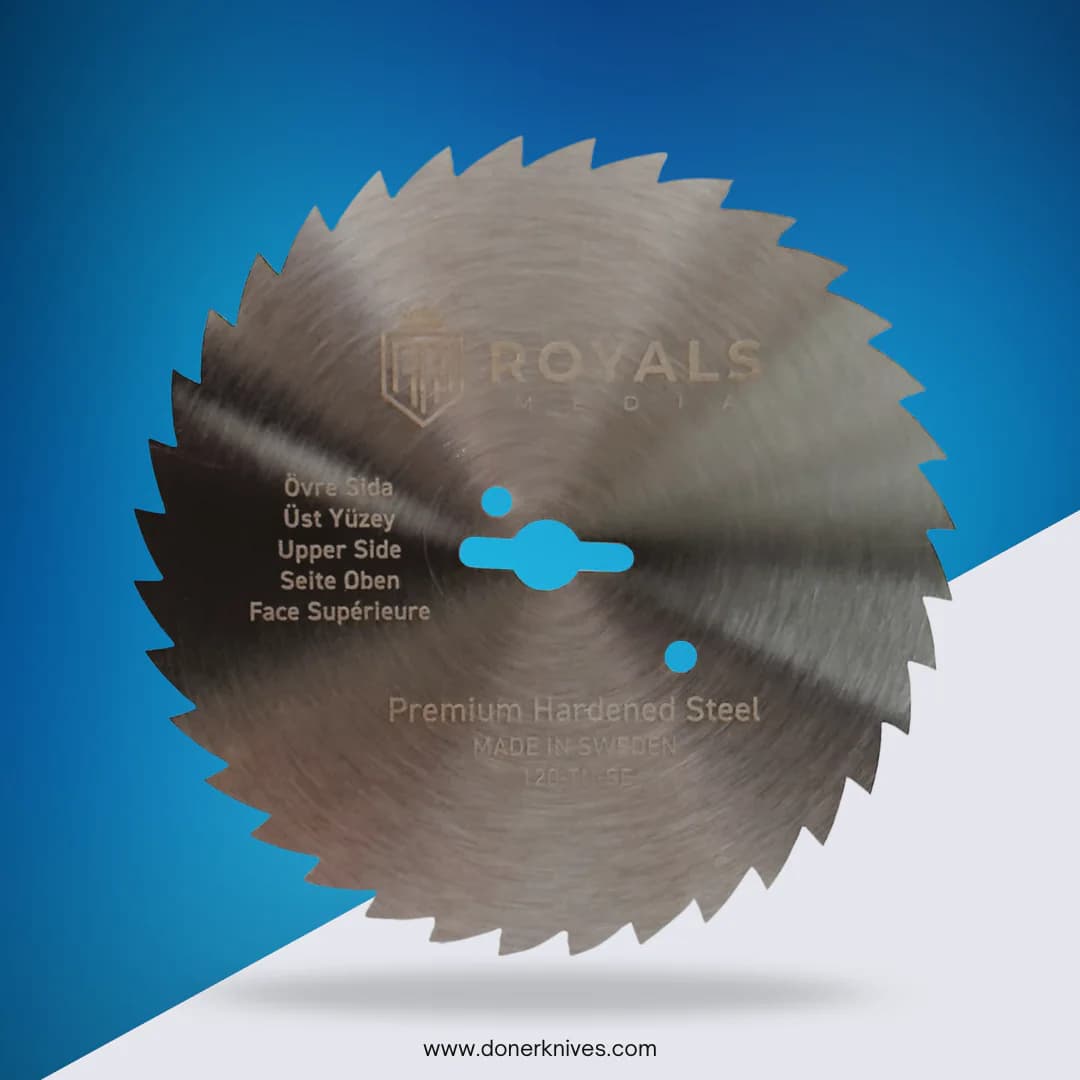
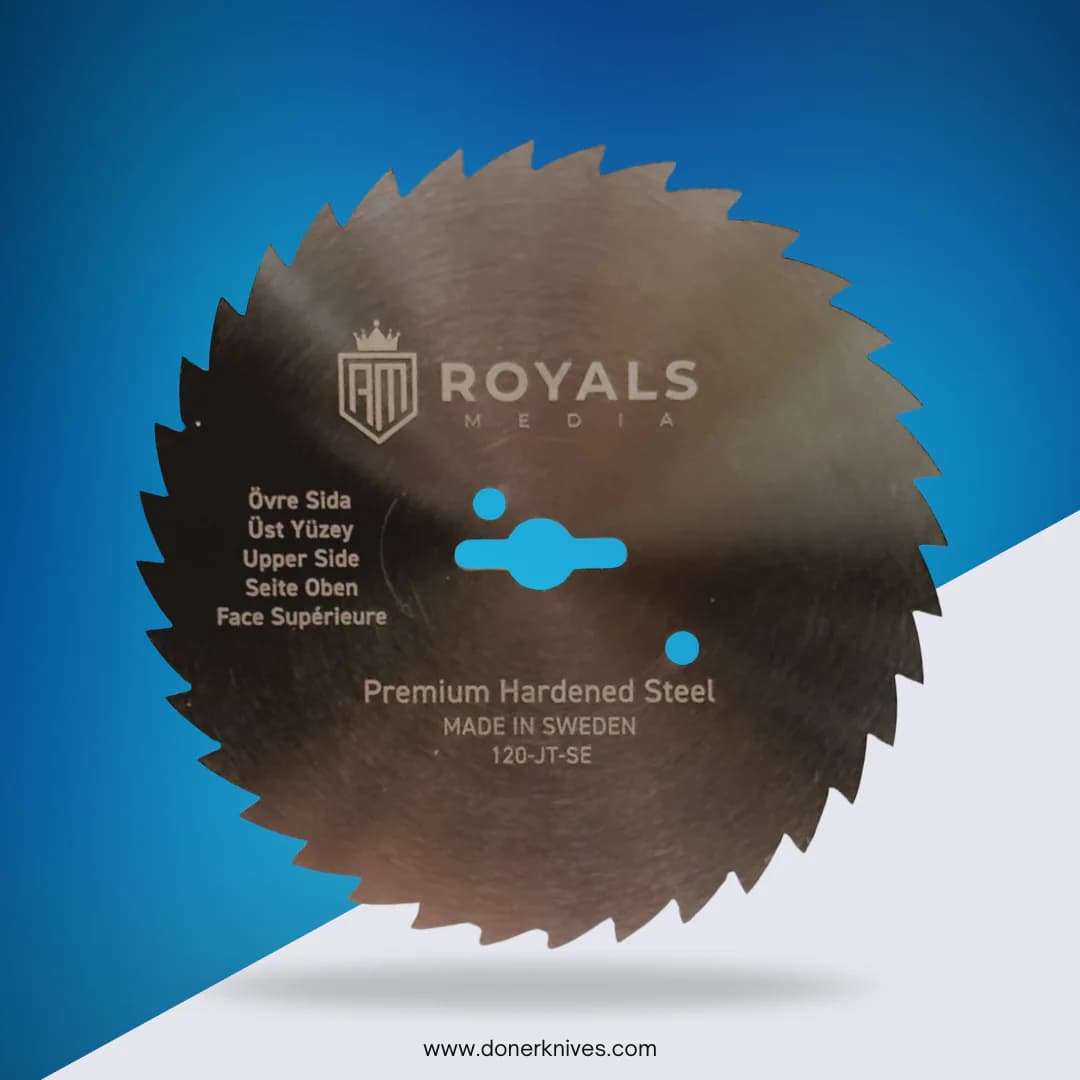
| 120mm Jet – Serrated | 120 mm (4.7 inch) | Specific for Jet machines | Machine-specific | See product |
| 120mm Tandir – Serrated | 120 mm (4.7 inch) | Specific for Tandir machines | Machine-specific | See product |
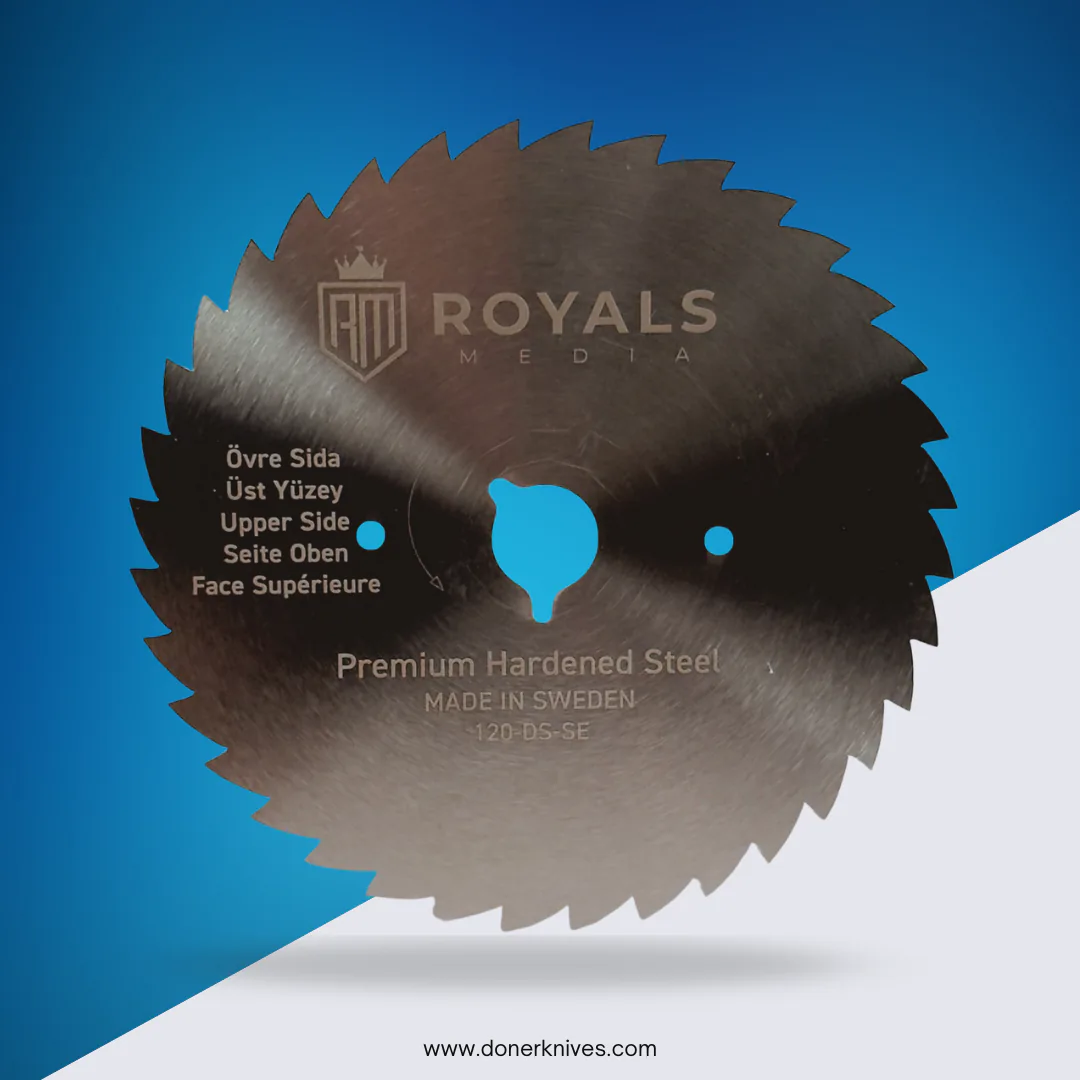
| 120mm Dost – Serrated | 120 mm (4.7 inch) | Specific for Dost machines | Machine-specific | See product |
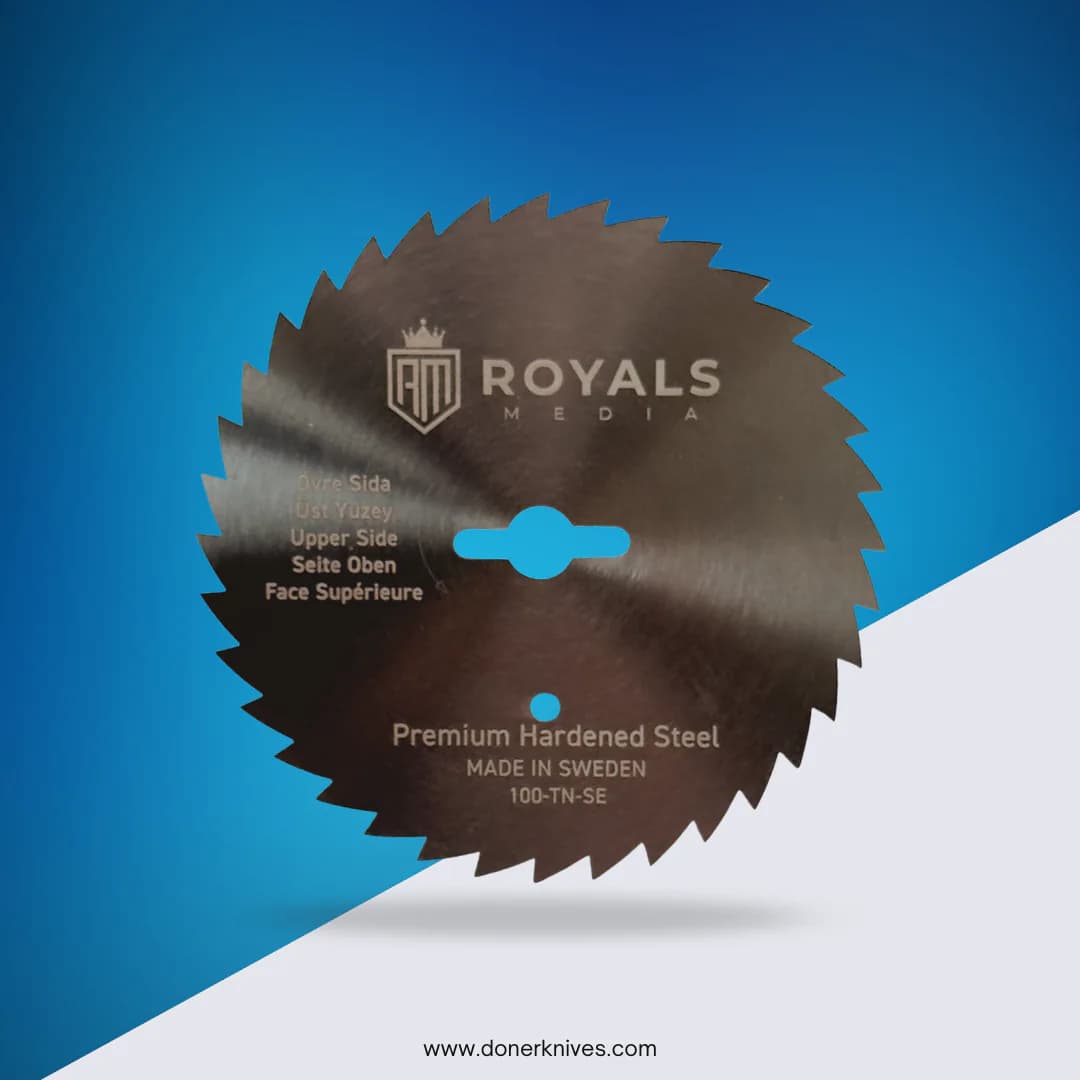
| 100mm Tandir – Serrated | 100 mm (3.9 inch) | Specific for smaller Tandir machines | Machine-specific | See product |
When to Choose a 140mm Serrated Doner Knife
A 140mm serrated doner knife is our largest size, designed for high-capacity professional kitchens. The larger diameter provides a broader cutting surface, ideal for slicing larger doner kebabs or maximizing productivity during peak hours. It typically fits larger, industrial mincers.
Our 140mm models are universal, meaning they fit multiple machine brands. Here, it's crucial to check the number and placement of mounting holes on your old blade or in your machine's manual. Choose between 2-hole, 3-hole, or 4-hole versions for a perfect fit.
When to Choose a 120mm Serrated Doner Knife
120mm is the most common size for most restaurants and street kitchens. It offers an excellent balance between cutting capacity and maneuverability. Unlike the universal 140mm blades, our 120mm models are often machine-specific.
- Choose 120mm Jet – Serrated if you own a Jet mincer. The fit is optimized for this model.
- Choose 120mm Tandir – Serrated for Tandir machines. This ensures correct centering and rotation.
- Choose 120mm Dost – Serrated specifically for Dost machines.
Using a machine-specific blade minimizes vibrations and ensures a secure fit, critical for longevity and workplace safety.
When Is a 100mm Serrated Doner Knife the Right Choice?
The 100mm Tandir – Serrated blade is perfect for smaller Tandir machines, compact kitchen spaces, or businesses with lower turnover. It's also an excellent choice for catering or smaller events where portability matters. The smaller size can also be easier to handle during cleaning and sharpening.
Despite the reduced diameter, the serrated edge provides an effective grip on meat for clean cuts. This example highlights how the right size—not the largest—is key to efficiency.
How to Determine Which Serrated Knife Fits Your Machine
Follow these three simple steps to avoid purchasing errors:
- Check machine brand and model: Look for markings on the mincer itself. Is it a Jet, Tandir, Dost, or another brand?
- Measure your old blade: Use a caliper to measure the blade's diameter (excluding the center hub) edge-to-edge. This gives you the size (100mm, 120mm, etc.).
- Count the mounting holes: Inspect the central hub on your old blade. How many screw holes does it have? 2, 3, or 4? The hole placement is as important as the number.
If unsure, don't hesitate to photograph your old blade and machine and contact our customer service. We'll gladly assist with identification. Read our detailed guide on choosing the right doner knife blade.
Advantages of a Serrated (Serrated) Doner Knife
A serrated doner knife features a saw-toothed edge. This design offers several practical benefits in the kitchen:
- Increased grip: The teeth "bite" into the meat surface, especially on crispy, grilled surfaces or cold meat. This minimizes the risk of the blade slipping.
- Ideal for specific consistencies: It works excellently for chicken doner, meat with skin or hard exteriors, and frozen meat that needs thin slicing.
- Less force required: Due to the enhanced grip, you often need to apply less pressure to the machine, potentially reducing wear over time.
For a deeper comparison of edge types, see our article Serrated vs. Smooth Doner Knife.
Common Questions About Serrated Doner Knives (FAQ)
Can I use a serrated knife in any machine?
No, it's crucial to choose the correct machine compatibility. A blade for a Jet machine rarely fits a Tandir machine and vice versa. Incorrect installation can lead to unsafe operation, vibrations, and machine damage. Always verify the brand and model first.
Does a serrated knife dull faster than a smooth one?
Both types are made from the same hard stainless steel and have essentially the same wear resistance. However, the teeth on a serrated knife may require a specialized sharpening method or tools for proper resharpening when needed. Our guide on maintaining doner knife blades covers this.
Is a serrated knife harder to clean?
Not significantly. After use, all doner knives should be thoroughly cleaned according to food safety guidelines. The teeth may require extra care with a brush to remove all meat residue. However, since all our knives are made from high-quality stainless steel, they are easy to disinfect.
What size fits my smaller home kitchen?
For smaller, home-friendly machines, a 100mm or 120mm knife is usually the best choice. Check what's stated in your machine's manual. A 140mm knife may be too large and unbalanced for a small machine.
Why are there different numbers of mounting holes?
The number of holes (2, 3, or 4) matches the mounting flange on the mincer's motor shaft. This ensures the blade sits securely and rotates concentrically. Using a blade with the wrong number of holes may make it impossible to mount safely.
Conclusion: The Right Serrated Knife for Your Needs
Choosing the right serrated doner knife boils down to three simple factors: machine compatibility, blade size, and mounting system. By identifying your machine brand (e.g., Jet, Tandir, Dost), measuring your existing blade's diameter, and counting the mounting holes, you can quickly find the perfect replacement in our range.
All our knives share the same exceptional quality and durability. Your kitchen experience will improve by having exactly the right tool for the job. Need more guidance? Explore our article on serrated doner knives for further details.
Related articles
Get the right blade for your machine
Professional doner knife blades. Delivery across Europe.