October 22, 2026
Doner Blade Replacement for 100mm Serrated Meat Slicer Machine: Purchase and Installation Guide
Introduction: Why You Need a Doner Blade Replacement for a 100 mm Serrated Dost Machine?
Has your doner machine suddenly stopped slicing with the same efficiency, or have you noticed that the meat slices have become rough and torn instead of smooth and even? If so, it is often time to consider a doner blade replacement for a 100 mm serrated Dost machine, the ideal solution to restore your original machine's performance without needing to buy an entirely new device.
The circular blade is the heart of the doner slicing machine, and with intensive daily use, it loses its sharpness and becomes less effective, especially when dealing with chilled or partially frozen meat. The 100 mm serrated blade is specifically designed for this purpose, providing superior cutting power on tough meat without tearing the fibers. Timely replacement not only maintains the quality of service but also reduces strain on the machine's motor and extends its lifespan. In this guide, we will help you understand why choosing the right replacement is important, and how to ensure its full compatibility with your Dost machine, so your machine can work as if it were brand new.
Understanding the Circular Blade for a Doner Machine
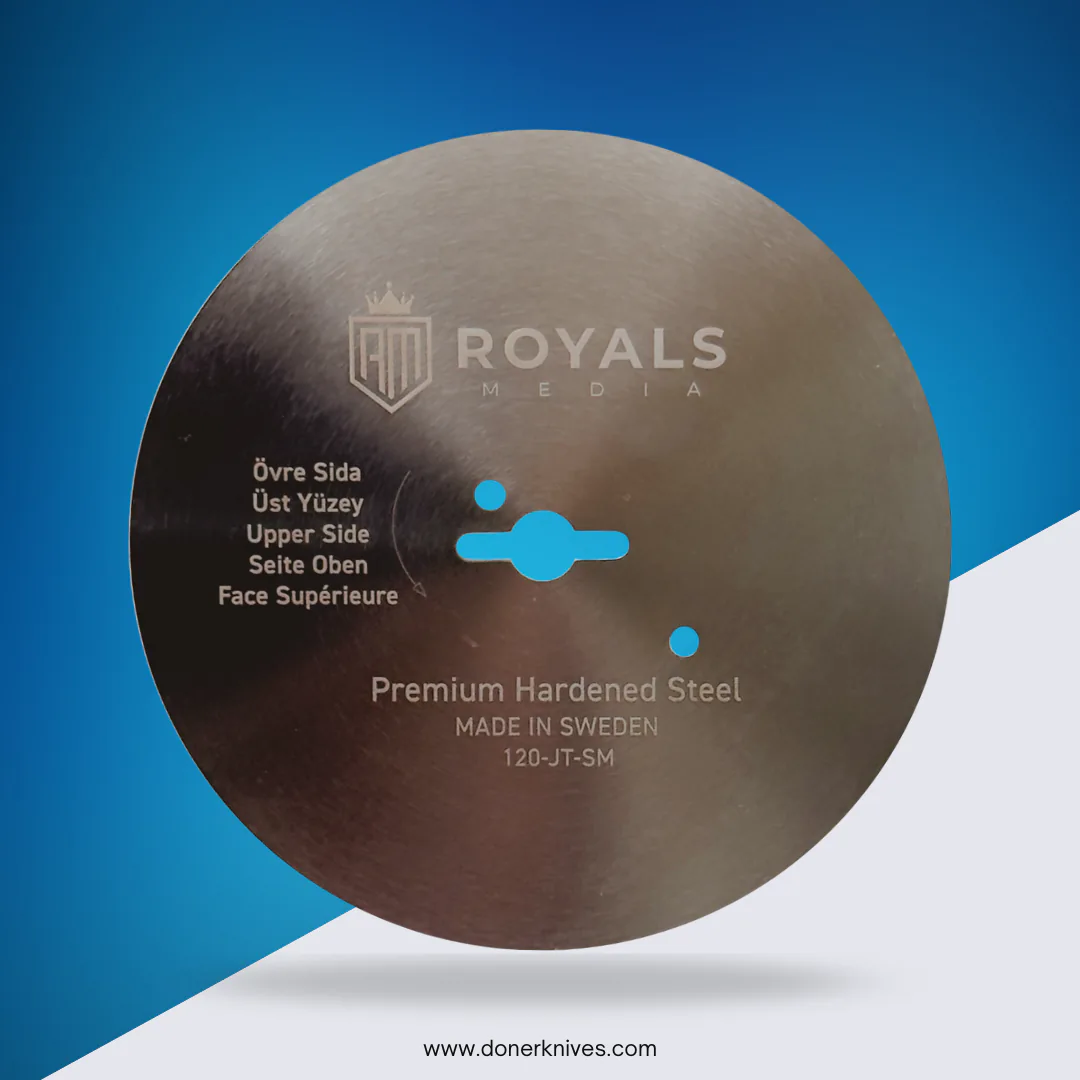
The circular blade for a doner machine is the heart of the slicing machine; it is a circular steel disc designed to be mounted on the electric motor, and it is by no means a hand knife. This blade has no handle, tang, or spine; rather, its entire circular circumference is the cutting edge, while the central hole secures it in place on the machine's shaft. This circular design is what allows for continuous rotation and even, fast slicing of the meat.
These blades are only available in specific diameters: 80, 90, 100, 120, and 140 mm, and no other sizes exist. It is important to realize that the diameter is determined by the machine type itself, not your personal preference. So, when searching for a doner blade replacement for a 100 mm serrated Dost machine, you are specifically looking for a 100 mm diameter disc designed to be compatible with Dost machines.
All blades in this category are made from hardened stainless steel, a material that ensures long-lasting sharpness and resistance to rust and wear. There are no carbon, tungsten, or ceramic blades in this range. As for the mounting method, it varies depending on the machine brand; there is the "Universal" system with a keyhole opening, the "Dost" system with a central circular hole, systems specific to the Jet and Tandir brands, as well as 140 mm blades that are secured with screws passing through two, three, or four holes.
To maintain the blade's sharpness, it must only be washed by hand, as the detergents used in dishwashers attack the cutting edge and weaken it over time. Finally, remember that the edge type (serrated or smooth) determines how it works; serrated is ideal for firm or chilled meat, while smooth provides thinner, more even slices.
Compatibility of the 100 mm Blade with the Dost Machine
When you search for a doner blade replacement for a 100 mm serrated Dost machine, the first thing to verify is the blade mounting type in your machine, not just the diameter. The Dost machine uses a mounting system known as the central circular hole, which is entirely different from the "Keyhole" system used in universal machines, or the screw system in 140 mm blades.
The golden rule here is: the diameter is determined by the machine manufacturer, not your personal taste. If your machine is designed for a 100 mm blade, installing a 90 mm or 120 mm blade will not work even if the center is identical, because the disc diameter determines the cutting depth and speed.
In fact, the Dost machine does not support the 100 mm size as standard in our approved range; the sizes compatible with Dost are 80/90 mm (Universal or Dost) and 120 mm Dost. If you have a Dost machine with a 100 mm size, you need to verify the exact measurements of the old blade, especially the central hole diameter, because determining the correct blade size depends on two measurements: the outer diameter and the center hole diameter.
Therefore, we advise you to measure your old blade before purchasing. If your actual size is 90 mm, choose the 90mm Dost – Serrated blade because it is specifically designed for this mounting system. If your diameter is 120 mm, use the 120mm Dost – Serrated blade to ensure a perfect match.
Remember that the serrated blade is ideal for frozen or firm meat, while the smooth one is for tender slices. Never install a Tandir blade (100 mm size) on a Dost machine, as the mounting system is completely different and the disc will not be securely fastened, posing a safety risk.
The Difference Between Serrated and Smooth Blades
The Difference Between Serrated and Smooth Blades
When searching for a doner blade replacement for a 100 mm serrated Dost machine, it is essential to understand the fundamental difference between the two edge types, as your choice determines the quality and speed of slicing.
Serrated Blade: Features sharp edges in the form of small teeth. These teeth work to "tear" the meat fibers rather than cutting them smoothly. This makes it ideal for hard or chilled meat from the refrigerator, as the teeth grip the crispy outer surface and cut without slipping. Its only drawback is that it may leave fine lines on very thin meat slices.
Smooth Blade: Provides a perfectly clean and even cut, making it the optimal choice for fresh, tender meat. It gives you slices with a silky texture and a professional appearance, but it loses its sharpness more quickly if used on cold or frozen meat.
Conclusion: If you serve fresh doner meat daily, the smooth blade is your choice. If you deal with partially frozen meat or cold roasts, choose the 100 mm Tandir Serrated blade. Remember that both are made of hardened stainless steel, and the only difference is the cutting edge design.
How to Measure the Old Blade for Replacement
To measure the old blade accurately, you will need a metal ruler or a digital caliper. Do not rely on guesswork, as a measurement error could lead you to buy a blade that does not fit your machine.
First: Measure the Outer Diameter Place the blade on a flat surface and measure the distance from one edge to the other, passing through the center of the hole. This is the diameter, and it should be one of the following measurements: 80, 90, 100, 120, or 140 mm. If the result falls between two numbers, round it to the nearest standard size.
Second: Determine the Mounting Type Look at the center of the blade. Is there a single circular hole? A keyhole-shaped hole? Or multiple holes for screws? This determines the mounting type: Universal, Dost, or a brand-specific type.
Third: Number of Holes and Their Arrangement If the blade has 2, 3, or 4 screw holes, count them accurately and note whether they are evenly distributed around the center. This is very important for choosing the correct blade from the 140 mm Universal category.
Fourth: Verify the Edge Type Is the edge serrated or smooth? Examine it carefully with your finger. If you are looking for a doner blade replacement for a 100 mm serrated Dost machine, make sure your old blade is also serrated.
If you are unsure about any measurement, take a clear photo of the blade from both sides and send it to the supplier. You can also refer to the blade size determination guide for more details. Correct measurement saves you the hassle of returns and exchanges.
Step-by-Step Guide to Installing the New Blade
Preparing Tools and Removing the Old Blade
Before starting, make sure the doner machine is completely disconnected from the power supply. You will need a suitable screwdriver, a clean cloth, and cut-resistant gloves to protect your hands. Examine the old blade carefully and note its installation direction before removing it, as reinstalling it in the same direction is necessary to ensure proper operation. Use the screwdriver to loosen the screws or the central nut that secures the blade, and keep them in a safe place because you will need them again.
Cleaning the Mounting Area
After removing the old blade, thoroughly clean the drive shaft and the surrounding area from any residual fat and meat. Any remaining dirt may cause the new blade to vibrate and affect slicing precision. Wipe the area with a clean, dry cloth, and ensure the surface is smooth and free of any burrs.
Installing the Doner Blade Replacement for a 100 mm Serrated Dost Machine
Now, take the new doner blade replacement for a 100 mm serrated Dost machine and ensure that the mounting hole in the center perfectly matches the axis of the drive shaft. Slide the blade onto the shaft so it sits flat, and make sure the serrated teeth face the correct direction for the meat rotation. Tighten the nut or screws gradually and evenly around the central hole, without over-tightening to avoid cracking the metal.
Final Inspection and Test Run
Slowly rotate the blade by hand to ensure it spins freely without friction or vibration. Then run the machine for one minute without meat, and observe the blade's stability. If you notice any abnormal vibration, stop the machine and re-check the blade installation. Once you confirm complete stability, you are ready for use. Clean the new blade by hand only after each use, and ensure it is thoroughly dried before storage.
Blade Care and Extending Its Lifespan
Proper care of the circular blade for a doner machine is just as important as the quality of the metal itself, especially if you are using a doner blade replacement for a 100 mm serrated Dost machine that works daily on chilled meat. The first golden rule: wash the blade by hand only with warm water and a mild liquid soap, and dry it immediately with a soft cloth. Never put it in the dishwasher, as harsh chemical detergents attack the cutting edge and cause premature, irreparable wear.
After drying, store the blade in a dry place away from moisture. If you will not use it for a while, coat its surface with a very thin layer of food-grade edible oil to protect it from stains, then wrap it in clean paper. Avoid contact between the blade and other metal tools during storage, as friction may scratch the serrated edges.
Watch for signs of wear: if you notice the meat is being torn instead of sliced elegantly, or if the blade makes a different sound during rotation, this is a sign that the teeth have lost their sharpness. Do not attempt to sharpen the blade yourself with a regular file; hardened stainless steel requires specialized equipment, and a wrong attempt destroys the precise geometry of the teeth. Periodic replacement with a new blade is safer and more economical in the long run.
Troubleshooting
Why is the Blade Vibrating or Making an Abnormal Noise?
Vibration is often caused by the blade not being securely fastened to the shaft. Stop the machine immediately, loosen the mounting nut, and ensure the center hole matches the machine's shaft. If the hole is circular (like a Dost blade) and vibration occurs, the shaft may be worn or the blade may be bent. Do not attempt to straighten the blade yourself—replace it.
The Blade Does Not Cut Frozen Meat Well
The serrated blade is designed for cold or slightly frozen meat. If you are using a doner blade replacement for a 100 mm serrated Dost machine and the result is still poor, check that the meat is not completely frozen. Also, the blade may have lost its sharpness—periodic replacement is cheaper than repairing the machine's motor.
Burn Marks Appearing on the Meat Edges
This indicates excessive friction due to a dull blade or a very low rotation speed. Clean and dry the blade thoroughly, and ensure it is installed in the correct direction (teeth facing the direction of rotation).
When Should the Blade Be Replaced Instead of Sharpened?
If you notice cracking or missing teeth, or if the blade is bent, replace it immediately. A deformed blade is a safety hazard and affects slicing quality. Accurately measuring the old blade (diameter, center hole, and hole pattern) ensures you purchase the correct replacement.
Frequently Asked Questions About Doner Blade Replacement for a 100 mm Serrated Dost Machine
Can I Install a 100 mm Blade on a Dost Machine if Its Diameter is Different?
No, the blade diameter is determined exclusively by the machine's design, not by preference. If your Dost machine is designed for a 90 mm blade, installing a doner blade replacement for a 100 mm serrated Dost machine will not work, even if the mounting hole is identical. Measure the old blade's diameter accurately before ordering; the available sizes are only 80, 90, 100, 120, and 140 mm.
What is the Difference Between Serrated and Smooth Blades for a Dost Machine?
The serrated blade is ideal for firm or chilled meat from the refrigerator, as the sharp teeth cut through the fibers without tearing them. The smooth blade provides thinner, more consistent slices for tender meat at room temperature. If you serve doner all day, the serrated one is often the more practical choice.
How Do I Know the Blade Fits a Dost Machine Specifically?
The Dost machine uses a blade with a central circular hole (not a keyhole shape or side holes). If your old blade has a perfectly circular hole in the center, it is compatible with the Dost system. To verify, compare the mounting shape with the images on the product page, or send a photo of the old blade to the support team.
Can the Blade Be Washed in the Dishwasher?
Absolutely not. The strong detergents and high temperatures in a dishwasher attack the cutting edge and cause rapid wear. Wash the blade by hand with warm water and mild soap, and dry it immediately with a soft cloth.
How Long Does a Serrated Blade Last Before Needing Replacement?
It depends on the volume of use. In high-pressure restaurants, you may need to replace it every 3-6 months. Signs of replacement include: difficulty cutting, abnormal vibration, or the appearance of metal shavings on the meat.
What If My Old Blade is Different from the Mentioned Sizes?
If you do not find your size in the list, you need accurate measurements: blade diameter, center hole diameter, and hole pattern (if any). Do not attempt to install a blade of the wrong size; it may damage the motor shaft or pose a safety risk. Contact us with a photo of the old blade, and we will help you determine the correct type.
Conclusion: Choose the Right Blade and Maintain Your Machine's Performance
Conclusion: Choose the right blade and maintain your machine's performance
Choosing the right replacement is not a luxury but a necessity to maintain slicing quality and the safety of your machine's motor. Before purchasing, ensure you accurately measure your old blade's diameter (100 mm) and the shape of the mounting hole, which must match the shaft of your Dost machine. Do not rely on guesswork; the serrated blade is ideal for cold or partially frozen meat, while the smooth blade gives you thinner slices for tender meat.
When you acquire the original doner blade replacement for a 100 mm serrated Dost machine made of stainless steel, you will notice a clear difference in performance and stability. Always remember to wash the blade by hand only and dry it immediately, as the dishwasher is its number one enemy.
Invest in quality, match the specifications precisely, and you will keep your machine running efficiently for years. And if you are unsure about the size, take a photo of the old blade and send it to us—we are here to help. Discover the compatible blade options and choose what suits you with confidence.