July 20, 2026
Best Doner Knife Blade for Thin Slicing: Edge, Size and Technique
Why thin slices are worth chasing
Thin doner slices crisp faster, absorb marinade flavour across more surface area and stretch a cone further — the same cone can yield noticeably more portions when every pass takes a thin, even layer instead of a ragged chunk. The blade is the biggest single factor, and it comes down to three choices: edge type, sharpness and control.
Smooth edge: the thin-slicing specialist
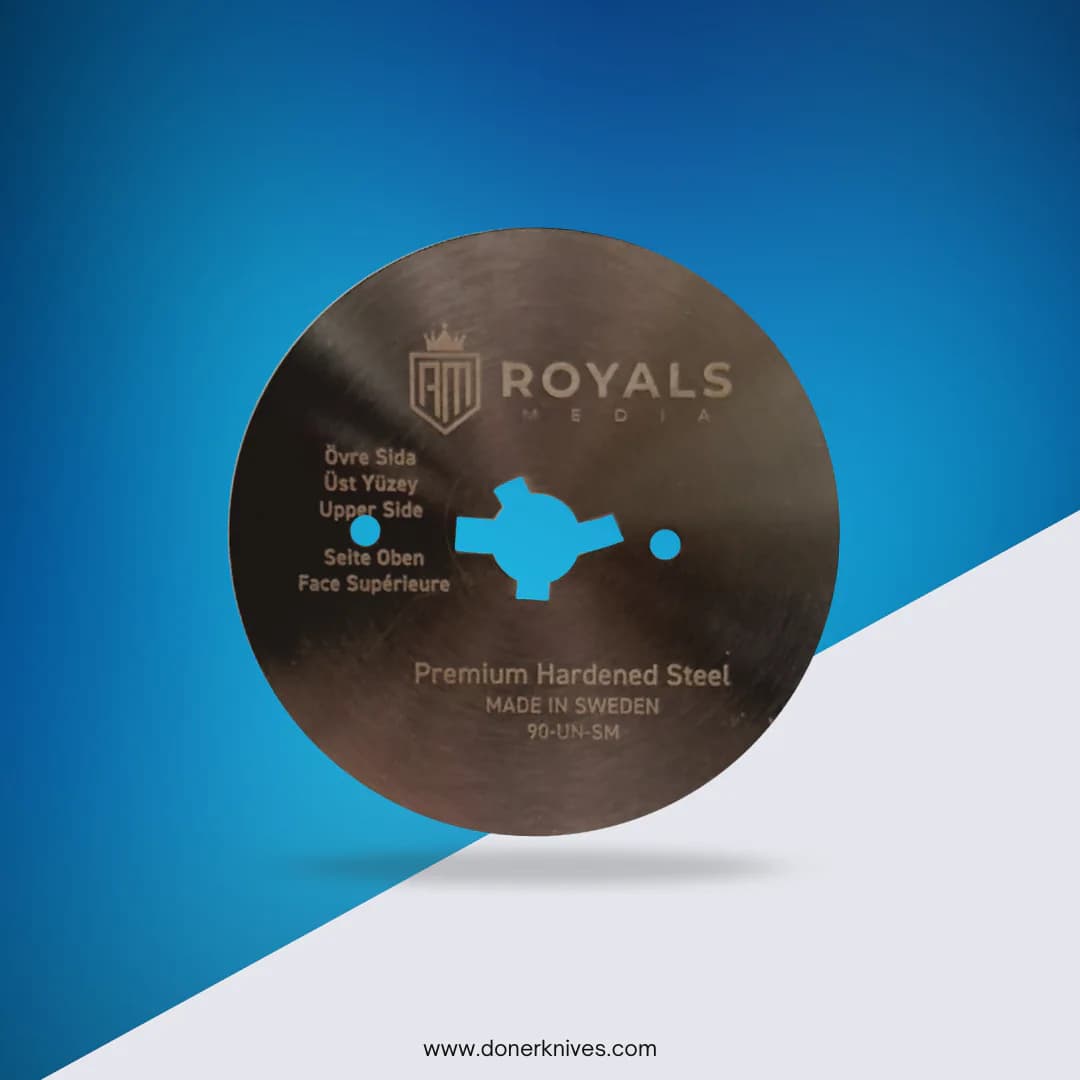
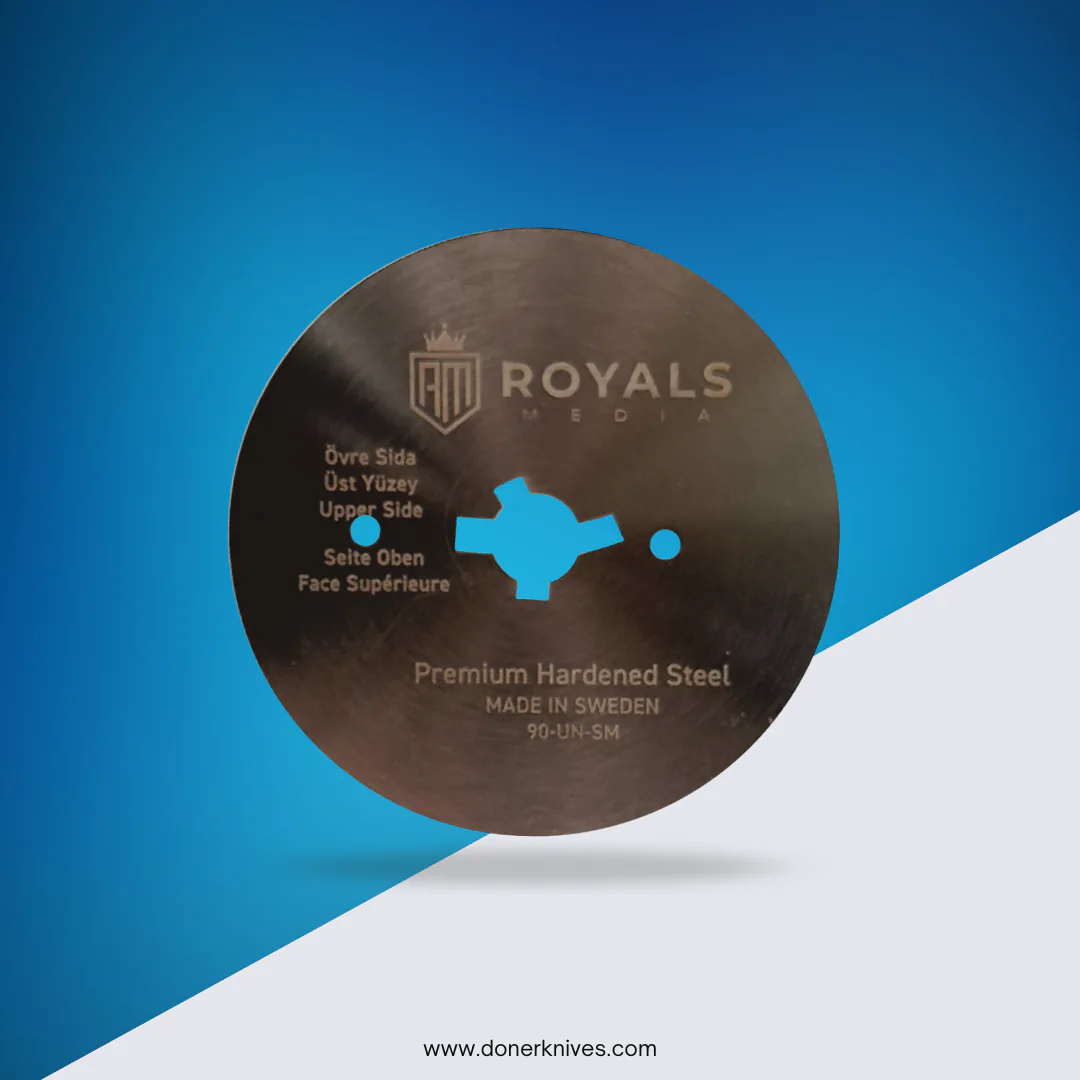
For consistently thin slices, a smooth edge is usually the right choice. A continuous edge slides through the meat surface in one clean motion and leaves a flat cut face, so the next pass starts even too. This is why our 90 mm Universal Smooth is a favourite for operators who prioritise presentation.
A serrated edge still has its place: heavily marinated or very fibrous cones can deflect a smooth edge, and teeth grip where a smooth blade might skate. If your meat is firm and well-frozen at the core, smooth wins; if it is soft and fibrous, serrated keeps bite. Our serrated vs smooth comparison goes deeper.
Sharpness beats everything
No edge type compensates for a dull blade. A dull edge tears rather than cuts, produces wedge-shaped slices and forces you to press harder — which makes slices thicker and less even. For thin slicing:
- Hone or resharpen frequently — daily-use blades benefit from a light touch-up every service.
- Avoid dishwashers; detergent and heat dull the edge prematurely.
- Replace the blade once repeated sharpening has visibly reduced its diameter.
Size and control
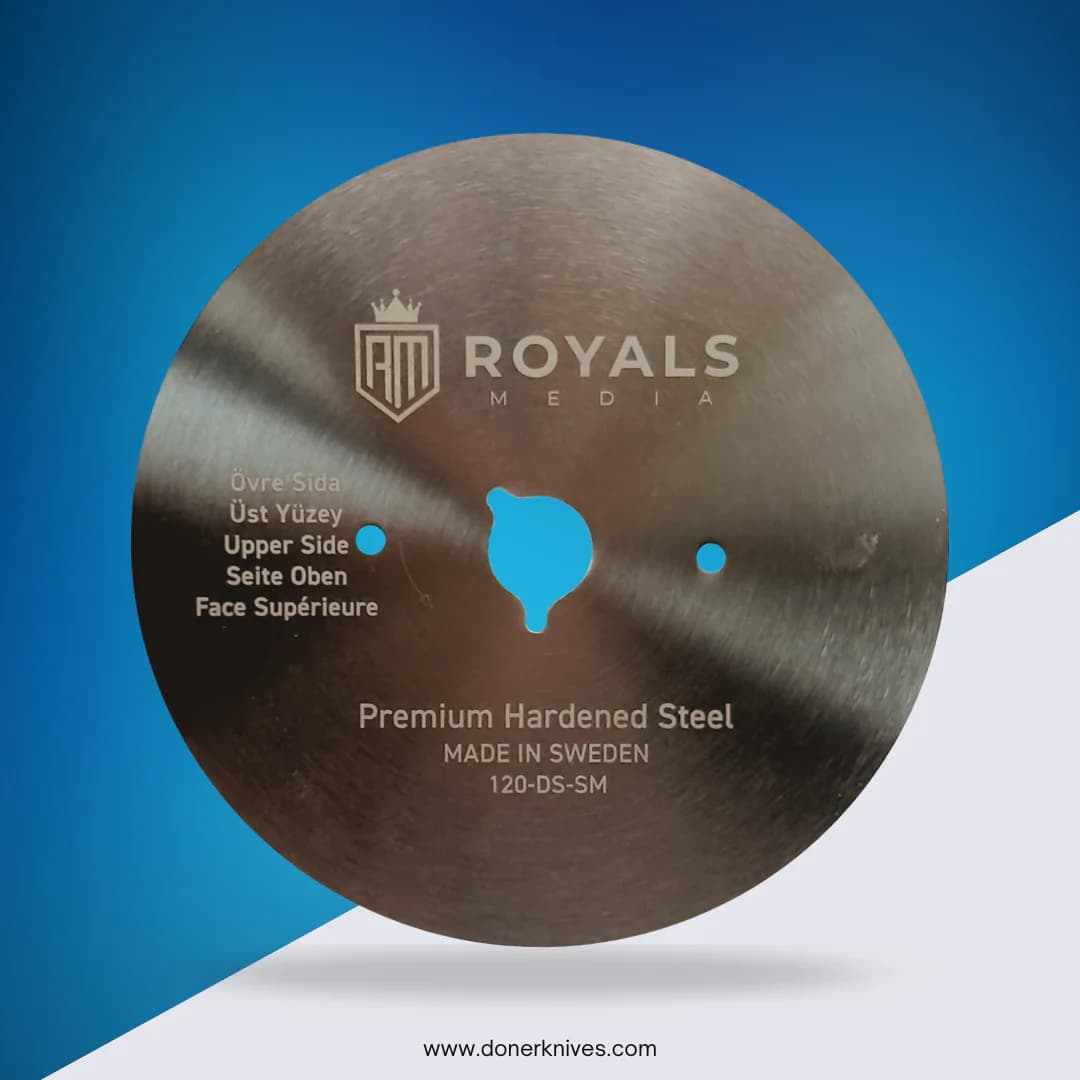
Diameter matters less than people assume, but control matters a lot. A 90 mm blade on a handheld slicer is nimble and easy to keep at a shallow, consistent angle. A 120 mm blade covers more cone per pass, which helps at volume — the 120 mm Dost Smooth pairs well with high-throughput kitchens. Whatever size fits your machine, keep the blade almost parallel to the cone surface and let the edge do the work with light, steady pressure.
Quick recommendations
| Situation | Blade to choose |
|---|---|
| Presentation-first, clean cut face | Smooth edge, 90 mm |
| High volume, thin and fast | Smooth edge, 120 mm |
| Heavily marinated, fibrous meat | Serrated edge in your machine's size |
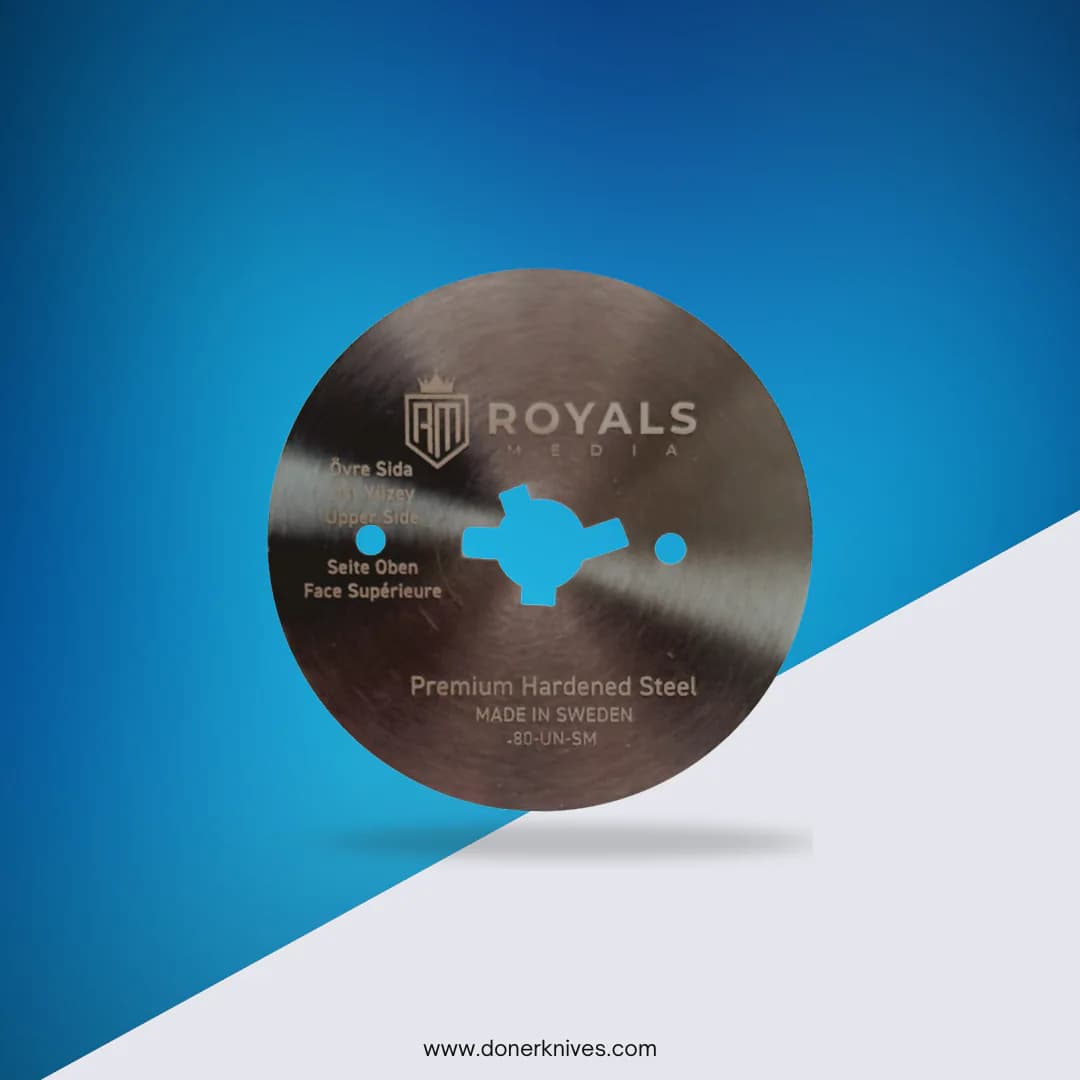
| Small cones, compact machine | 80 mm Universal Smooth |
All blades are cut from premium hardened steel and start from €18 excl. VAT, with delivery across Europe in 2–5 business days. Browse the full range on the products page.
FAQ
Is a smooth or serrated blade better for thin slicing?
Smooth, in most cases. A continuous edge leaves a flat cut face so every following slice starts even. Serrated is better only when the meat is so fibrous or heavily marinated that a smooth edge slides without biting.
What thickness should doner slices be?
Most operators aim for 2–4 mm. Thinner than that requires a freshly sharpened smooth blade and a firm cone; thicker usually means the edge is dull or the cutting angle is too steep.
Does a bigger blade cut thinner?
No. Thinness comes from sharpness and cutting angle, not diameter. A bigger blade covers more of the cone per pass, which helps speed, not thinness.
How often should I sharpen a blade used for thin slicing?
A light touch-up every service day keeps the edge keen. Once touch-ups stop restoring performance, resharpen properly — and replace the blade when its diameter has visibly shrunk.
Related articles
Get the right blade for your machine
Professional doner knife blades. Fast delivery across Europe.