March 7, 2026
How to Clean a Doner Knife: Safe Step-by-Step Guide 2026
How to Clean a Doner Knife: Safe Step-by-Step Guide 2026
Properly cleaning your doner knife is not just about hygiene – it’s an absolute necessity for food safety, blade longevity, and maintaining optimal sharpness. Whether you run a restaurant or use the knife at home, a structured cleaning routine is critical. This guide walks you through the entire process from removing food residue to safe drying, ensuring your equipment is always in top condition.
Why Correct Cleaning of Doner Knives Is Crucial
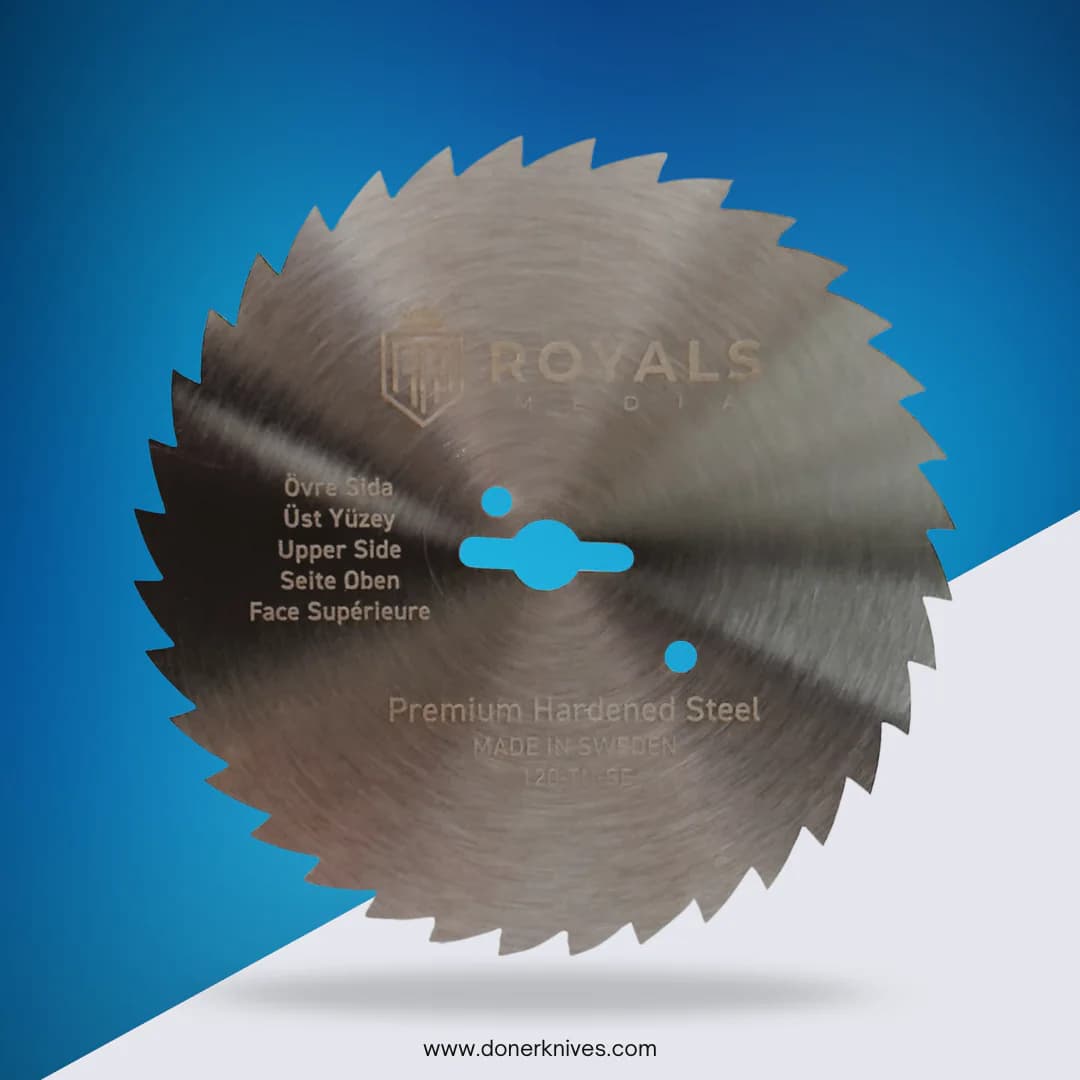
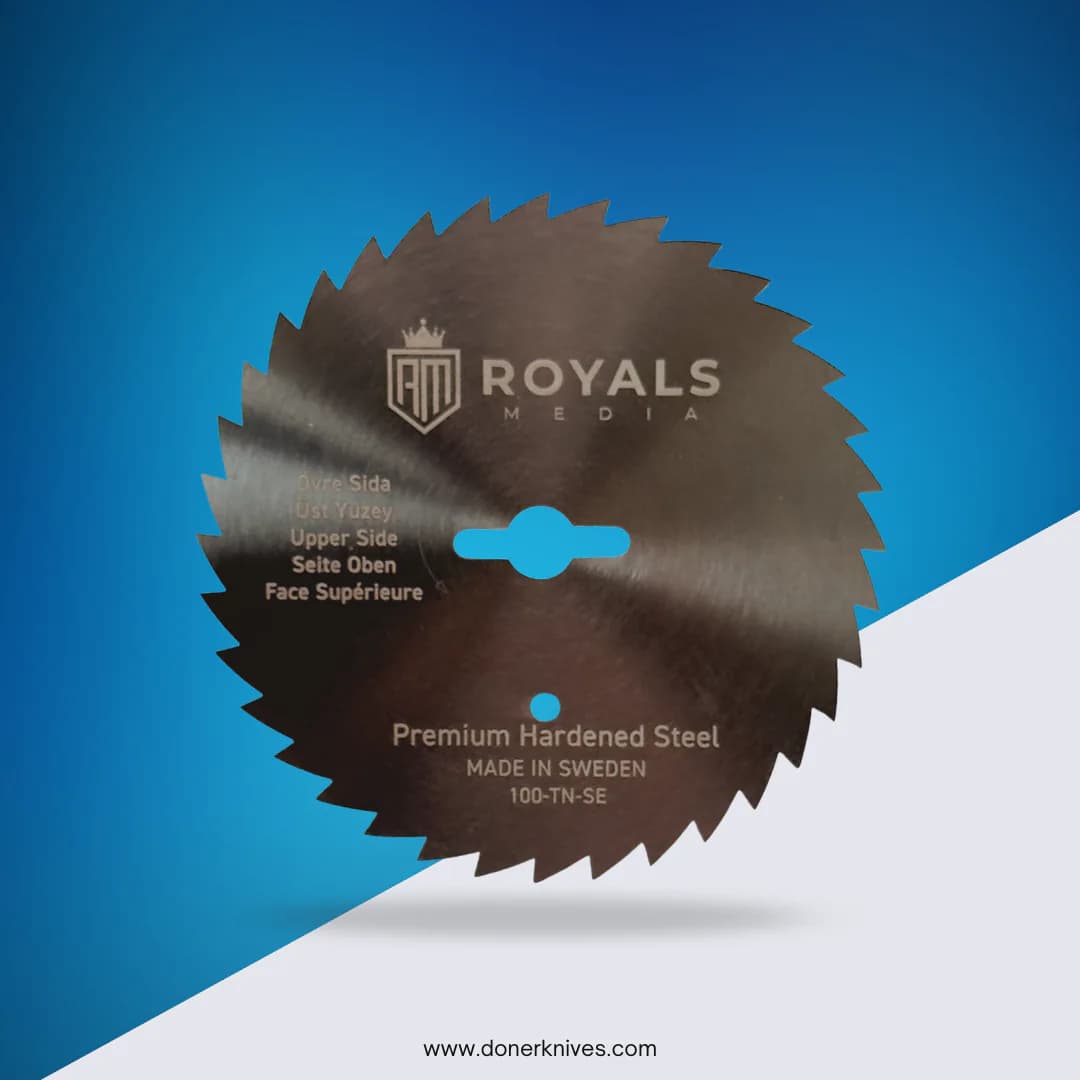
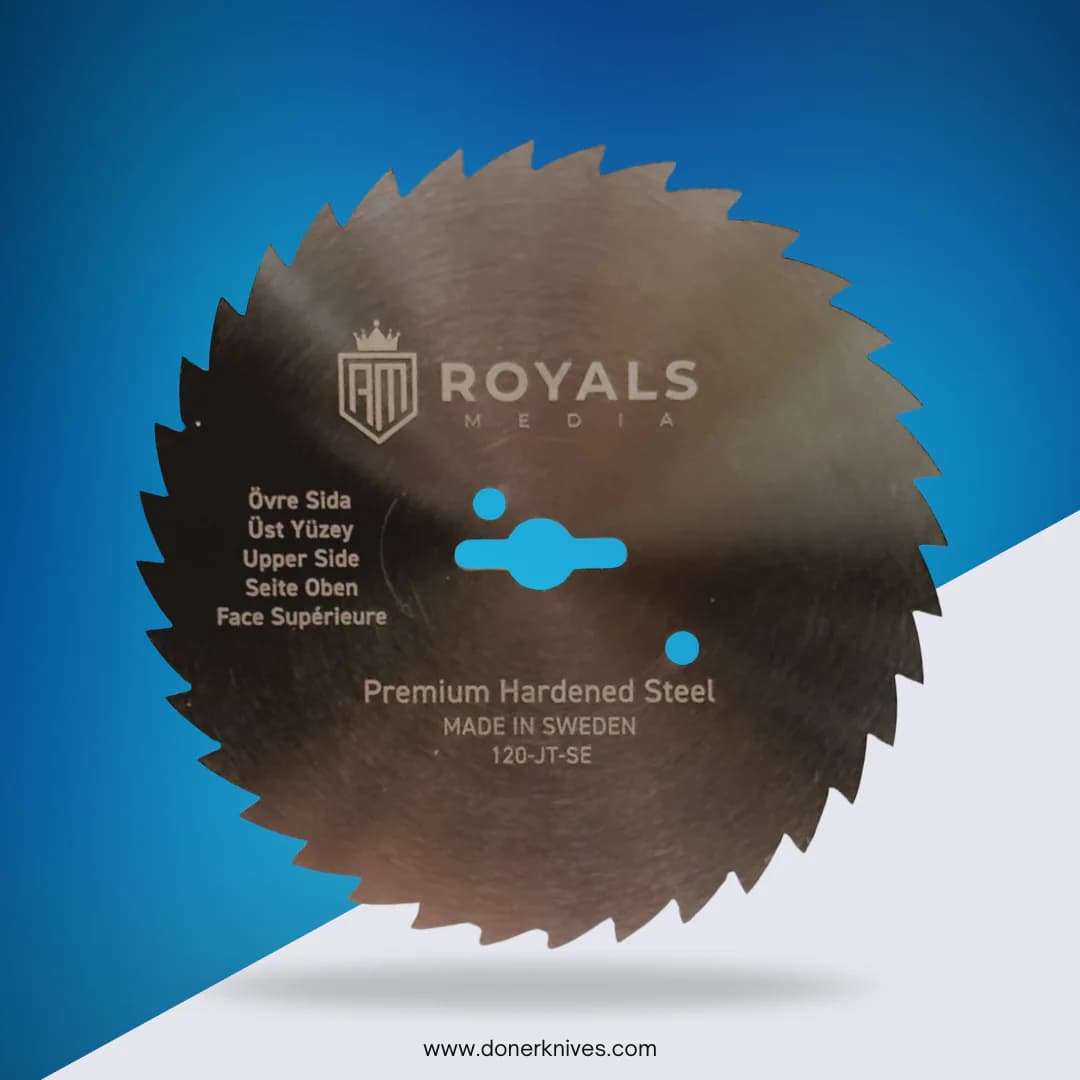
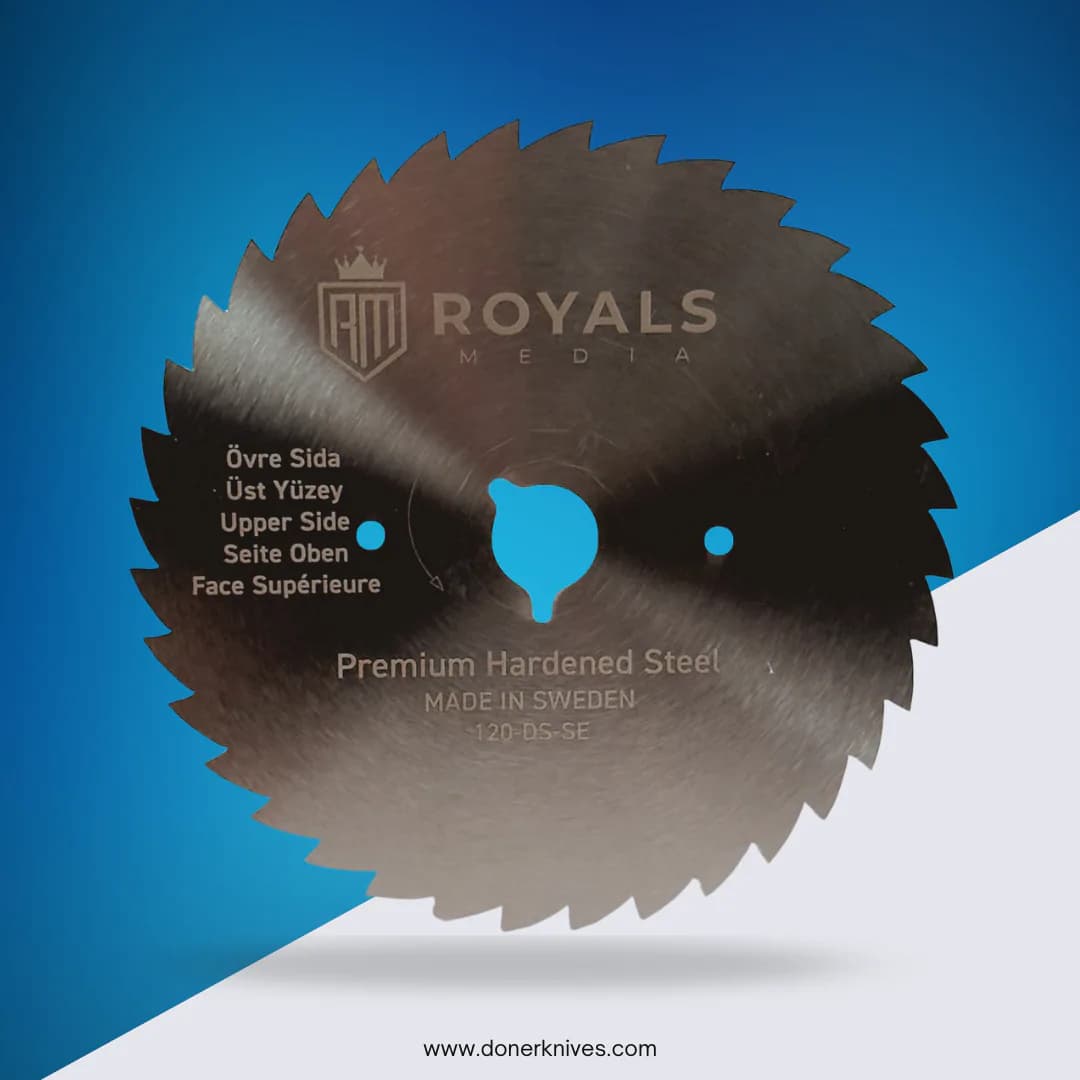
A doner knife that isn’t cleaned properly isn’t just a hygiene risk. Food particles and grease that build up, especially on serrated blades like 120mm Jet – Serrated or 120mm Tandir – Serrated, can harbor bacterial growth that violates food safety regulations. Over time, corrosion and rust can damage even the best stainless steel if exposed to moisture and acids. A clean knife is also safer to handle and lasts longer.
What You Need to Clean Your Doner Knife
Before you start, gather the right tools and materials. Using the wrong cleaning agents can damage the blade.
- Warm (not boiling) water: To dissolve grease and loosen food residue.
- Mild dish soap: Use a food-safe dish soap without abrasive particles.
- Soft brush or dish brush: A brush with soft bristles is ideal for reaching into serrations without scratching the surface.
- Soft cloth or towel: For drying. Avoid paper towels that may leave fibers.
- Protective gear (optional but recommended): Heavy-duty dish gloves to protect your hands from the sharp edge.
- Stainless steel oil (optional): Some manufacturers recommend a thin oil film for long-term storage.
Step-by-Step: How to Clean Your Doner Knife Correctly
Follow these steps carefully after each use for the best results. The process is the same whether you have a 140mm Universal – 4 Hole or a 100mm Tandir – Serrated.
Step 1: Disassembly and Preparation
Always turn off and unplug the doner machine before starting. Disassemble the blade carefully according to the machine’s manual. Be extra cautious – the blade is extremely sharp. Place it on a stable, flat surface, ideally in the sink (with a towel layer to prevent damage).
Step 2: Pre-Cleaning and Removal of Large Residues
Use a wooden/plastic spatula to gently scrape off large pieces of meat and grease from the blade’s surface. Avoid metal tools that can scratch the steel. This step makes the main cleaning much easier.
Step 3: Thorough Washing
Fill a basin or sink with warm water and add a measured dish soap. Let the blade soak for a few minutes to loosen grease. Then scrub the entire surface, especially the serrations on a serrated blade and the area around the mounting holes, with the soft brush. Wash both sides and the edge thoroughly.
Step 4: Cleaning the Mounting Holes
This is a critical step often overlooked. Use a small brush (like an old toothbrush) to clean the inside of the mounting holes (2, 3, or 4 holes depending on the model). Grease and dirt buildup here can cause corrosion and make reassembly difficult later.
Step 5: Thorough Rinsing
Rinse the blade thoroughly under running warm water to remove all traces of dish soap and loose food particles. Ensure water reaches all areas, including grooves and holes. No soap residue should remain.
Step 6: Immediate and Careful Drying
This is the most important step to prevent rust. Dry the blade immediately and thoroughly with a soft, dry towel. Pay special attention to the mounting holes and grooves where water can collect. Never let it air-dry.
Step 7: Inspection and Storage
Hold the blade to the light and inspect it carefully to ensure it’s completely clean and dry. Then store it in a dry, clean place. Some users apply a very thin film of food oil (like rapeseed oil) to the surface for long-term storage for added protection against moisture.
Professional Tips for Best Cleaning Results
- Tip 1: Clean immediately after use. The faster you clean the blade after use, the easier it is to dissolve grease and prevent residue from drying and sticking.
- Tip 2: Never use dish soap with lemon or other corrosive agents. These can attack stainless steel over time and weaken the surface. Stick to simple, mild dish soaps.
- Tip 3: Solution for stubborn dirt. For heavily burnt or dried-on dirt, let the blade soak in warm (not boiling) water with dish soap for 15–20 minutes before scrubbing.
- Tip 4: Handle with respect. Always remember the edge is extremely sharp. Use a safe grip and consider wearing protective gloves during cleaning.
- Tip 5: Regular inspection. Check the blade regularly for signs of wear, scratches, or rust spots. Early detection makes maintenance easier.
Common Mistakes to Avoid
- Mistake 1: Using steel wool or abrasive cleaning agents. These scratch the polished surface of stainless steel, creating microscopic grooves where bacteria and grease easily stick and corrosion can start. This applies to all our blades, from 140mm Universal – 2 holes to 120mm Dost – Smooth.
- Mistake 2: Letting the blade sit in water or air-dry. Water pools, especially in mounting holes, are the most common cause of rust on stainless steel. Always dry it immediately.
- Mistake 3: Cleaning the blade while it’s mounted on the machine. You won’t be able to clean it properly, especially the back or mounting points. Disassembly is a must.
- Mistake 4: Using overly hot or boiling water. Extreme heat can cause thermal shock and potentially warp the blade’s structure over time.
- Mistake 5: Storing the blade damp or in a humid cabinet. Always store it completely dry in a well-ventilated place.
Common Questions About Cleaning Doner Knives (FAQ)
Can I Put My Doner Knife in the Dishwasher?
Strongly discouraged. Even though stainless steel can withstand the dishwasher, aggressive chemicals and high temperatures can gradually dull the polished surface. Additionally, the blade can damage other items in the machine and itself if it collides with other parts. Hand-washing is always best for maximum longevity.
How Often Should I Clean the Blade?
After each use. In a professional setting, this means after each shift or even between different types of meat to prevent cross-contamination. For home users, it’s after every time you slice doner. Immediate cleaning is key.
What If I See Rust Spots on the Blade?
Small rust spots can often be removed with a stainless steel rust remover or a paste of baking soda and water. Apply with a soft cloth, gently rub, and rinse and dry immediately. If rust is widespread, it may indicate the blade has been damaged or not cleaned properly over time.
Is There a Difference in Cleaning Serrated vs. Smooth Blades?
Yes, but the principle is the same. Serrated blades (e.g., Serrated Doner Knife Blade: Complete Guide 2026) require more precision when scrubbing to reach all grooves. A soft brush with fine bristles is ideal. Smooth blades are easier to dry but may show scratches more easily from improper cleaning.
Do I Need to Oil My Doner Knife After Cleaning?
For daily use in a professional setting, it’s not necessary if the blade is perfectly dried and stored dry. For long-term storage (weeks or months), a very thin film of food oil like rapeseed oil applied to a clean, dry surface can provide extra protection against atmospheric humidity.
How Does Improper Cleaning Affect the Blade’s Sharpness?
Indirectly, but significantly. Aggressive cleaning (like steel wool) wears down the edge and makes it uneven. Corrosion and rust can also erode the edge’s microstructure. A properly cleaned and dry blade retains its sharpness longer and requires less frequent Sharpen Doner Knife Blades: Pro Guide for Results.
Summary: A Clean Blade Is a Safe and Durable Blade
Properly cleaning your doner knife is a simple yet absolutely necessary routine. By following this step-by-step guide – from safe disassembly and thorough washing to immediate and complete drying – you ensure not only the highest hygiene standards but also protect your investment. Whether you have a 120mm Doner Knife Blades: Comparison & Guide or a larger 140mm Universal – 3 Hole blade, basic care is key to optimal performance and longevity. For more maintenance tips, read our complete guide on Doner Knife Blade Maintenance: Step-by-Step Guide.
Related articles
Get the right blade for your machine
Professional doner knife blades. Delivery across Europe.