6 Nisan 2026
How to Replace a Doner Knife Blade: Step-by-Step Guide 2026
How to Replace a Doner Knife Blade: A Safe Step-by-Step Guide
Replacing the blade on your doner machine is an essential part of maintenance to ensure sharpness, hygiene, and safe operation. Whether you run a restaurant or use a machine at home, proper blade replacement is critical. This guide walks you through the entire process, from preparation to final checks, with a focus on safety and precision. We assume you already have the correct replacement blade for your specific machine model.
What You Need Before Replacing a Doner Knife Blade
Before you begin, it's important to have all the tools and materials ready. Proper preparation saves time and reduces the risk of accidents.
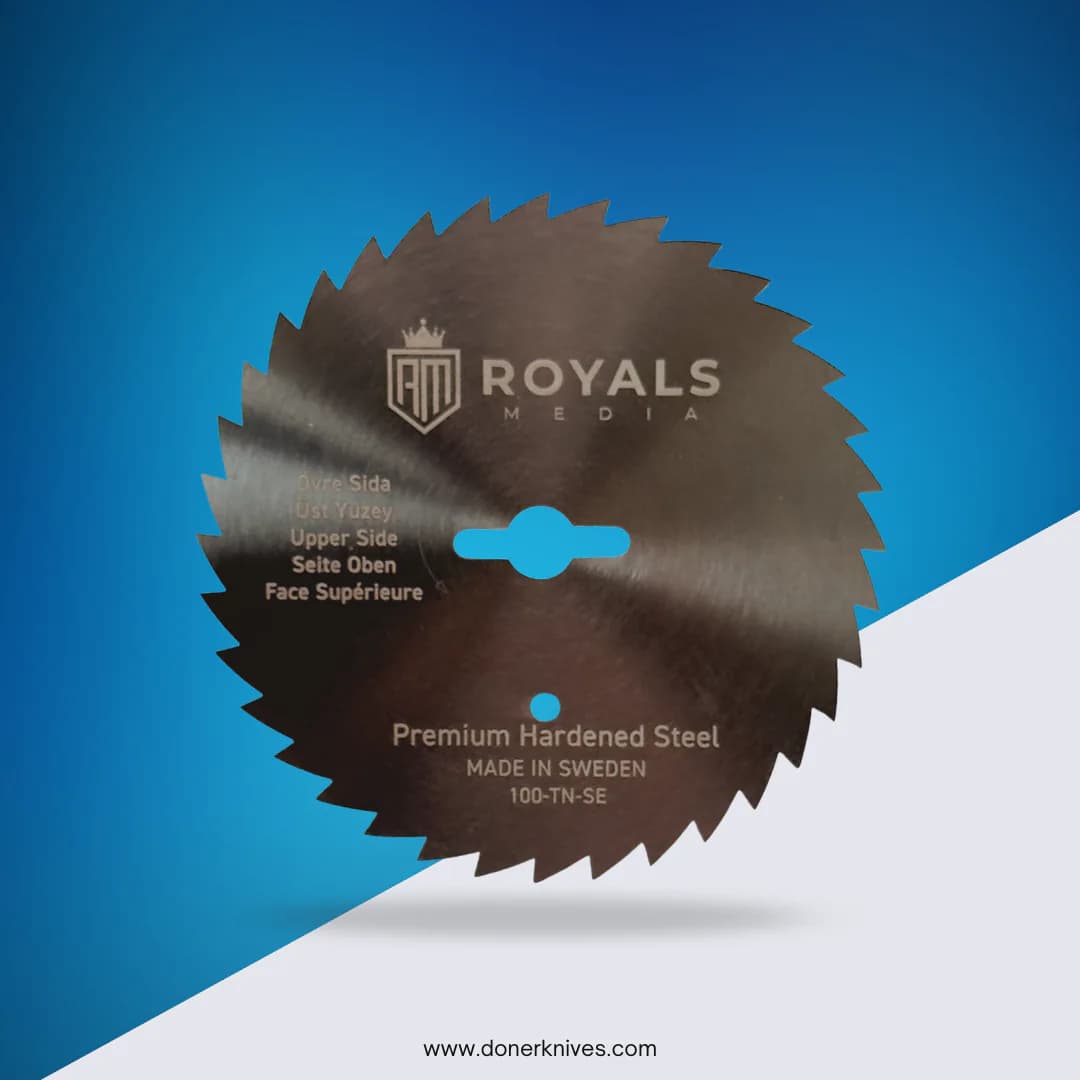
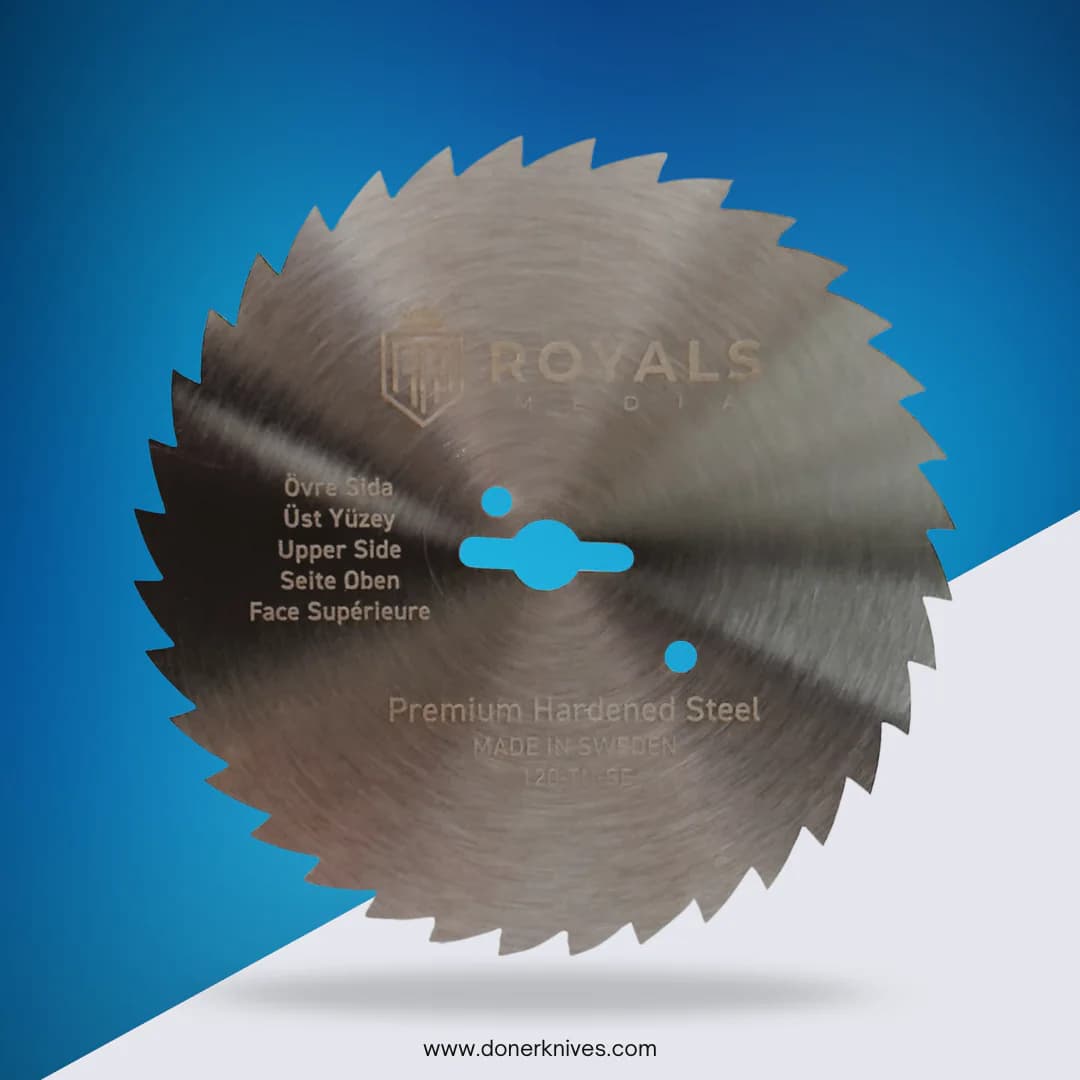
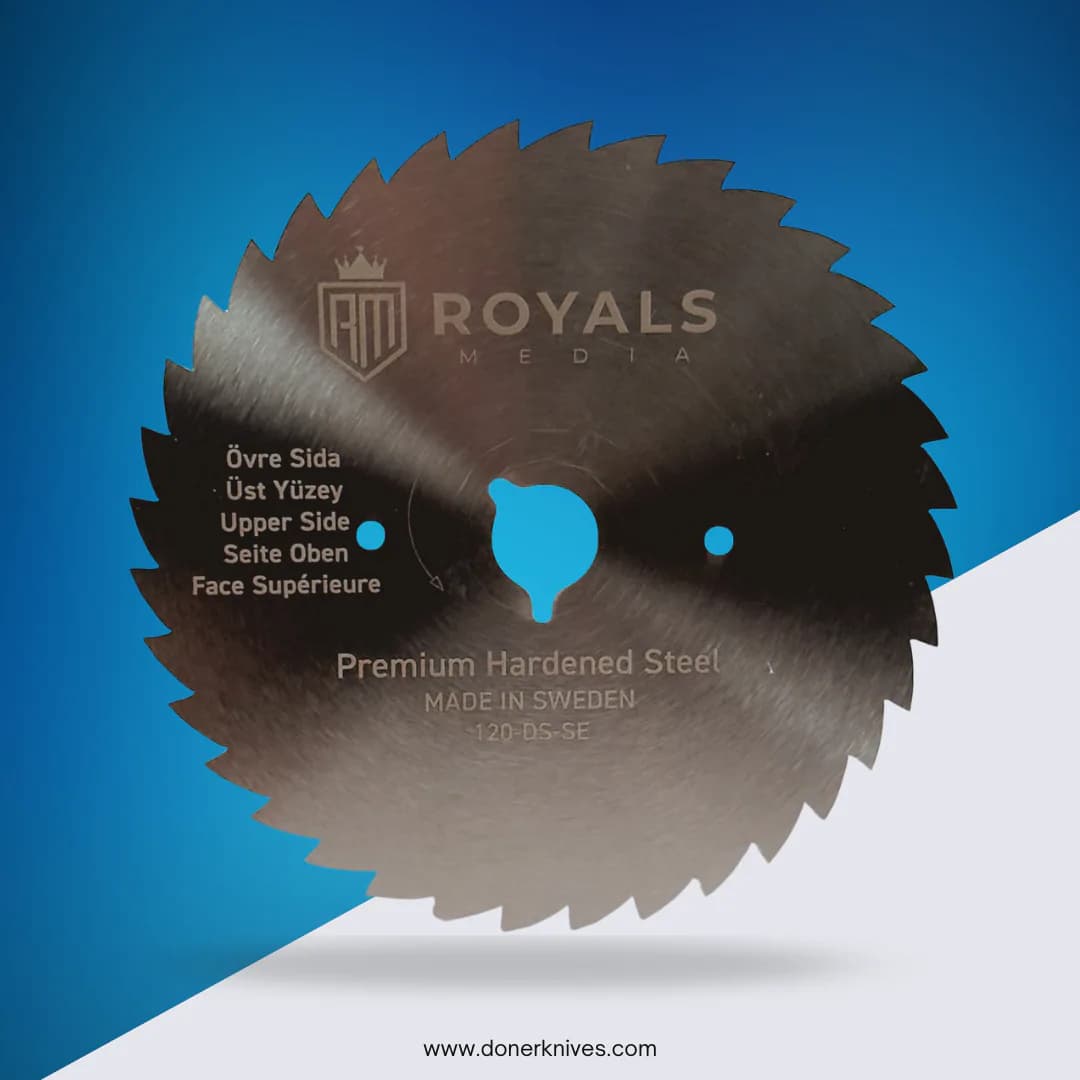
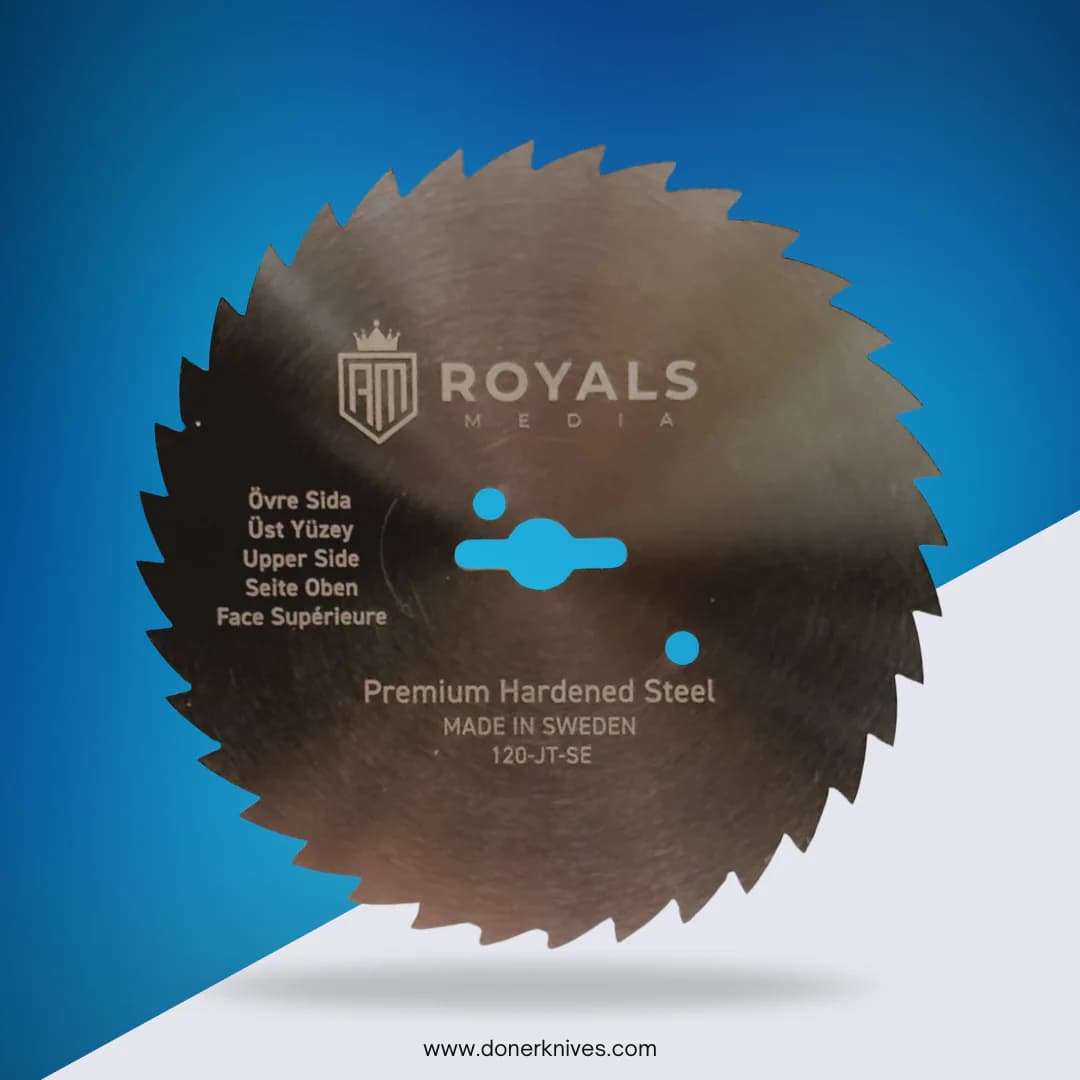
- New Doner Knife Blade: Ensure it has the correct diameter (e.g., 120mm, 140mm), number of mounting holes (2, 3, or 4), and is compatible with your machine (Universal, Jet, Dost, Tandir). Check our guide on which doner knife blade fits your machine.
- Screwdriver or Socket Wrench: Most commonly an Allen key tool that fits the screws on your machine. The size may vary.
- Work Gloves: Thick, cut-resistant gloves to protect your hands from the extreme sharpness of the blade.
- Cleaning Solution and Cloth: To clean the mounting area and the new blade before installation.
- A Stable Workbench: The machine should be placed on a sturdy, well-lit surface while working.
A common question is whether universal blades actually fit all machines. Dive deeper into this with our article Are Universal Doner Blades Really Universal?.
Step-by-Step: How to Replace a Doner Knife Blade
Follow these steps carefully. Always prioritize safety.
Step 1: Turn Off and Unplug the Machine
This is the most important step. Ensure the machine is completely disconnected from the power outlet. It's not enough to just turn off the power switch – unplug the unit. This eliminates the risk of the machine accidentally starting.
Step 2: Clean and Prepare the Work Area
Remove any remaining meat and fat from the old blade and mounting area using a cloth and suitable cleaning agent. A clean surface makes the process easier and ensures a hygienic installation of the new blade. Place the machine on a stable and well-lit workbench.
[IMAGE:Person cleaning the mounting flange on a doner knife machine with gloves on]Step 3: Loosen and Remove the Old Blade
Using the screwdriver or socket wrench, carefully loosen the mounting screws. These can be stiff due to grease and heat. Do not force them. Once all screws are loose, carefully lift off the old blade. Always keep the blade's cutting edge away from you and use the gloves. Place the old blade aside safely.
Step 4: Inspect and Clean the New Blade
Before installation, it's a good practice to clean the new blade as well to remove any protective oil or dust. Visually check that there are no damages and that the mounting holes align exactly with your machine’s threads. An incorrect blade can damage the machine or be dangerous.
Step 5: Mount the New Blade
Place the new blade on the mounting shaft or flange. Make sure it sits flat and even. Begin by threading all the screws manually to avoid cross-threading. Once all are loosely in place, tighten them carefully and evenly in a star pattern (like a tire). This ensures balanced and secure tightening. Don't overtighten – just enough so the blade is stable and doesn't wobble.
[IMAGE:Close-up image of hands tightening screws in a star pattern on a 140mm blade]Step 6: Final Check
Visually confirm that the blade is centered and that nothing is obstructing its rotation. Ensure all tools and the old blade are removed from the work area. For an additional safety check, manually turn the blade one full rotation (with gloves on!) to feel for any friction or sticking points.
Professional Tips for a Perfect Blade Replacement
These insights come from years of experience with doner machines.
- Replace Regularly, Not Just When Dull: A dull blade requires more force and can be more dangerous than a sharp one. Replace it when you notice a decline in performance or follow a preventive schedule.
- Choose the Right Type for Your Needs: Opt for serrated for better grip on the meat or smooth for cleaner cuts. Both are made from the same high-quality stainless steel. See examples of a 120mm Serrated Jet Blade or a 120mm Smooth Jet Blade.
- Always Keep a Spare Blade Ready: For professional use, always have the correct spare blade in stock, such as a 140mm Universal 3-Hole Blade, to avoid downtime.
- Document Replacements: Note the replacement date. It helps you track the blade's lifespan and plan your purchases accordingly.
Common Mistakes to Avoid When Replacing the Blade
Being aware of these pitfalls can save you from potential issues.
- Not Wearing Gloves: A new doner blade is extremely sharp. One mistake can lead to serious injuries. Gloves are not optional.
- Using the Wrong Blade Size or Mounting: Forcing a 100mm blade into a machine designed for 120mm, or a blade with 2 holes onto a 3-hole flange, can cause imbalance and machine damage. Always check compatibility first.
- Tightening Screws Unevenly or Too Tight: Uneven tightening can cause blade vibration and poor cutting performance. Over-tightening can damage threads or warp the flange.
- Forgetting to Clean Before Installation: Dirt and grease underneath the blade can cause imbalance and pose a hygiene risk according to food safety regulations.
- Throwing the Old Blade in Regular Waste: Pack it in thick cardboard or use a blade disposal container for safe handling and recycling.
Frequently Asked Questions About Replacing Doner Knife Blades (FAQ)
How Often Should I Replace My Doner Knife Blade?
This depends on usage frequency and the type of meat being cut. For daily professional use, replacement may be needed every 1–3 months. For home use, a single replacement per year could be sufficient. Replace when sharpness drops significantly or if the blade has visible damage.
Can I Sharpen a Doner Knife Blade Myself?
We strongly advise against attempting to sharpen doner blades yourself. These blades require a specific and consistent angle to function optimally and safely in a rotating machine. Improper sharpening can make the blade dangerous and unusable. It's more cost-effective to purchase a new, professionally sharpened spare blade.
What Should I Do If the New Blade Vibrates or Sounds Strange?
Turn off the machine immediately and unplug it. Vibration is often caused by incorrect installation, dirt under the blade, uneven tightening, or improper alignment. Repeat the installation process from step 2 and inspect carefully. If the issue persists, it may indicate machine damage.
Is It Important That the Blade Is Made of Stainless Steel?
Absolutely. Stainless steel (AISI 420 or similar) is required for food contact. It withstands corrosion from meat juices, moisture, and cleaning agents, ensuring hygiene and long-lasting performance. All of our blades are made from high-quality stainless steel.
How Do I Know If I Need a Serrated or Smooth Blade?
This is a matter of preference and meat type. Serrated blades (e.g., 120mm Tandir Serrated) offer better grip and are excellent for moist or soft meats. Smooth blades (e.g., 120mm Dost Smooth) provide cleaner, more uniform slices and are easier to professionally sharpen. Both give excellent results.
Why Do Some Blades Have 2, 3, or 4 Mounting Holes?
The number of holes must match your machine's mounting system. A machine with a flange that has 3 threaded holes requires a blade with 3 holes, like our 140mm Universal with 2 Holes or 4-hole version. Never use the wrong number – it can be life-threatening.
Summary: Replacing a doner knife blade is a simple but critical task. By following this guide, using the appropriate safety gear, and paying attention to compatibility, you ensure a safe, hygienic, and efficient operation of your machine for many years to come. If you experience sharpness issues after replacement, read our troubleshooting guide on doner knife blades that aren't cutting properly.
İlgili makaleler
Makineniz için doğru bıçağı alın
Profesyonel döner bıçakları. Avrupa içi ücretsiz kargo, hızlı teslimat.