June 17, 2026
How to Change a Rotary Blade? Step by Step Guide
Introduction to the Doner Knife Replacement Guide
The question of how to replace a doner knife is an important topic, especially for doner masters and kitchen enthusiasts. The correct knife selection and safe replacement process play a critical role in achieving delicious and hygienic doner cuts. This guide will detail all the steps to properly replace your doner knife.
The most important point to consider when replacing a doner knife is choosing a knife suitable for its type and intended use. For example, slät (smooth) knives are ideal for thin slices, while tandad (serrated) knives are preferred for thicker cuts. To learn more about different knife types and their uses, check out our Doner Knife Types and Usage Guide.
In this guide, you will learn the step-by-step process of replacing a doner knife, discover safety measures, and find tips on knife maintenance. By applying the right techniques, you can protect yourself and extend the life of your knife. Ready? Let’s get started!
Tools Needed for Doner Knife Replacement
Tools Needed for Doner Knife Replacement
The first step in answering the question how to replace a doner knife is preparing the right tools. To perform the process safely and easily, you will need the following:
- New Doner Knife: Ensure the knife is compatible with your current machine. For knife compatibility, refer to the Doner Knife Compatibility Guide.
- Screwdriver Set: Typically, star (Torx) or flathead screwdrivers are used. Check the type of screw on your machine.
- Wrench Set: A wrench of the appropriate size is needed to loosen the nuts securing the knife.
- Cut-Resistant Gloves: Always use gloves for safety, as the knife edges are sharp.
- Silicone Spray or Oil: Light lubrication is necessary to prevent the knife shaft from rusting.
- Cleaning Cloth: Handy for wiping away old grease and debris.
Important Note: When replacing the doner knife, ensure the machine is unplugged. Also, verify that all parts are correctly assembled before testing the new knife’s sharpness. These steps will ensure a smooth doner knife replacement process.
Steps to Replace a Doner Knife
Replacing your doner knife is an essential procedure to maintain its sharpness and performance. Here’s a step-by-step breakdown of how to replace a doner knife to simplify the process.
1. Removing the Old Knife
- Turn off the doner machine and unplug it.
- Use the appropriate wrench to loosen the knife holder (usually included with the machine).
- Remove the screws holding the knife and take out the old knife. Remember to wear gloves, as the knife is sharp.
2. Installing the New Knife
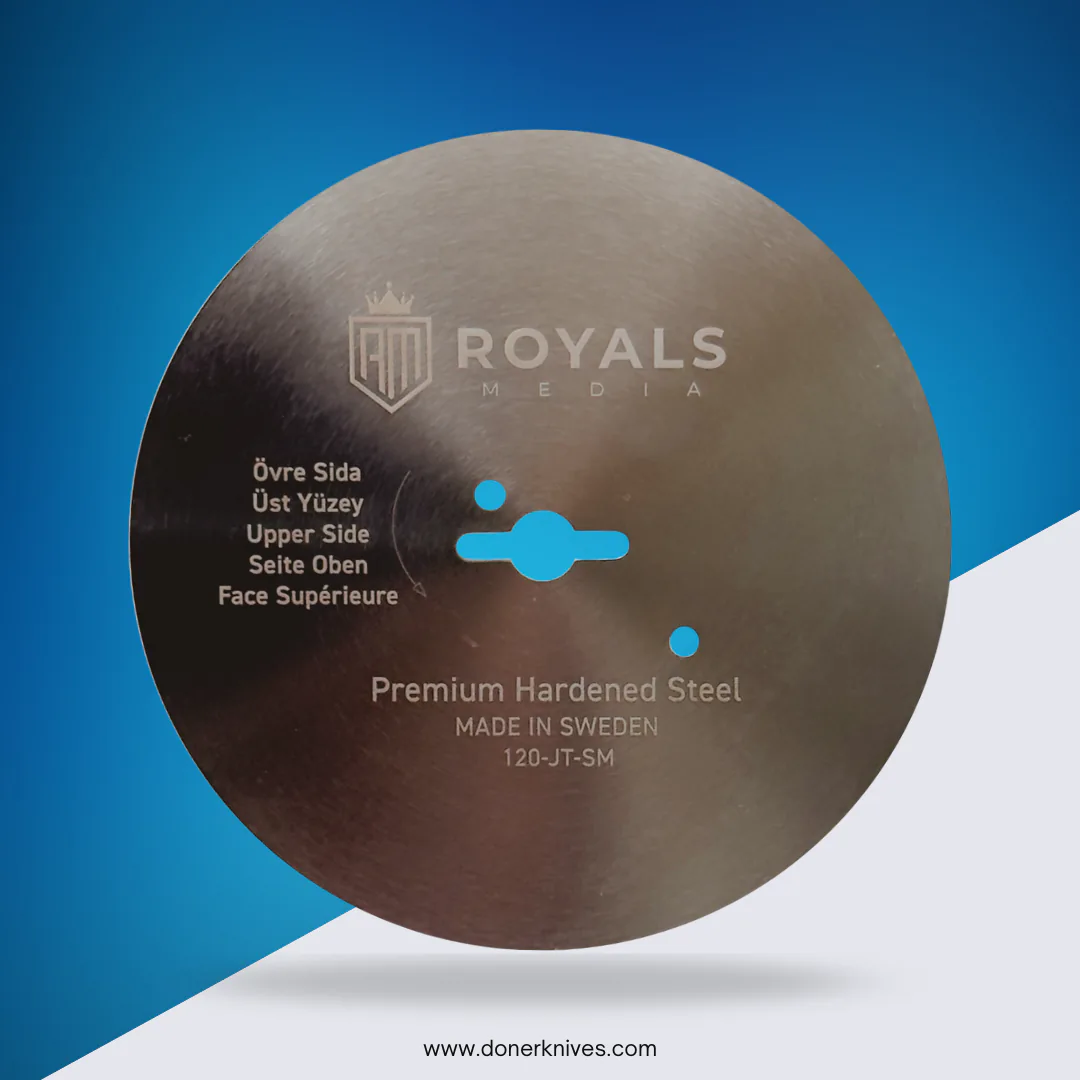
- When selecting a new knife, ensure its size and type are compatible with your machine. For example, the 90mm universal serrated knife is ideal for standard cuts, while the 120mm tandir serrated knife is suitable for thicker meats.
- Place the new knife in position and tighten the screws. Avoid over-tightening, as this may imbalance the knife.
3. Testing the Knife
- Plug in the machine and run it for a few seconds to ensure the knife rotates smoothly.
- If there’s vibration or unusual noise, check if the knife is properly installed.
4. Adjustments
- Adjust the knife’s height relative to the meat. This directly affects cutting quality.
- Before the first use, lightly hone the knife to enhance its sharpness.
After completing the doner knife replacement process, clean your machine to prepare it for the next use. By following these steps, you can safely replace your doner knife and ensure long-lasting performance.
Safety Precautions: What to Watch Out for When Replacing a Doner Knife
Safety Precautions: What to Watch Out for When Replacing a Doner Knife
When answering the question how to replace a doner knife, safety should always come first. Carelessness around sharp knives and moving parts can lead to serious injuries. Here are the safety rules to follow when replacing a doner knife:
Turn Off the Machine and Unplug It
- Before replacing the knife, ensure the doner machine is completely off and disconnected from power. Unexpected activation can cause serious accidents.
Use Protective Gloves
- Wear cut-resistant gloves to avoid contact with sharp knife edges. Extra caution is needed for tandad (serrated) knives.
Use the Right Tools
- Use the appropriate wrench or screwdriver to remove the knife. Avoid excessive force, as it may damage the knife socket.
Handle the Knife Carefully
- When installing or removing the knife, avoid the sharp edges. Hold it by the safe areas (e.g., the center).
Inspect After Assembly
- After installing the knife, ensure all screws are tight and the knife is properly seated. Improper assembly may cause the knife to wobble.
Recommended Products:
- For safe replacement, consider models like the 80mm Universal – Slät (199kr) or 90mm Dost – Tandad (209kr).
By following these steps, you can confidently answer how to replace a doner knife. Remember, prevention is always easier than cure!
Differences Between Smooth and Serrated Blades
One of the most important decisions when choosing a doner knife is knowing the differences between smooth (slät) and serrated (tandad) blades. Both types have their advantages and applications, so understanding which one suits your needs is crucial when answering the question, "How to replace a doner knife."
Cutting Style and Usage
- Smooth blades have straight edges and are ideal for thin, clean slices. They are particularly preferred for chicken or tender meats. For example, models like the 90mm Dost – Smooth are suitable for those who want precise cuts.
- Serrated blades, with their toothed structure, easily cut tougher meats (lamb, beef) and reduce blade sticking. Models like the 120mm Tandir – Serrated are durable and suitable for heavy use.
Maintenance and Durability
- Smooth blades may require more frequent sharpening but retain their sharpness longer.
- Serrated blades need less maintenance in terms of sharpening, but their teeth can wear over time. This guide provides tips on extending the lifespan of serrated blades.
When to Choose Which?
- Smooth: Thin slicing, quick service, tender meats.
- Serrated: Thick and tough meats, long-term use.
When considering "how to replace a doner knife," keep these differences in mind to make the right choice for your needs.
Choosing a Doner Knife: Which Blade Is Right for You?
Knowing what to look for when selecting a doner knife is crucial for both efficiency and cutting quality. Before addressing the question, "How to replace a doner knife," you should consider some key factors to choose the right blade.
Blade Size and Purpose
The size of the doner knife depends on the type and quantity of meat you'll be cutting. For instance, a 100 mm blade is ideal for thin slices, while larger models like 120 mm are better for thicker and denser cuts. The 120mm Dost Serrated model is an excellent option for such needs.
Serrated (Tandır) and Smooth (Slät) Blades
- Serrated blades are more effective for cutting tough meats like doner and tandır. Models like the 100mm Tandir Serrated easily slice through meat fibers for smoother cuts.
- Smooth blades are better for precise cuts, making them suitable for chicken or tender meats.
Material Quality
Stainless steel blades offer long-lasting and hygienic use. Additionally, a correctly fitted blade reduces vibration, which makes long shifts less tiring.
Conclusion
Choosing the right doner knife simplifies the process of "how to replace a doner knife." By selecting a model that fits your needs, you can save time and achieve better results.
Common Issues and Solutions
Blade Jams and Won't Rotate
This issue usually stems from improper alignment or a dirty spindle. First, turn off the machine and unplug it. Remove the blade and clean any food residue or grease from the spindle. When reattaching the blade, ensure it fits snugly into the spindle slots. Check the compatible blade models to confirm you've chosen the right product.
Screws Won't Loosen When Replacing the Blade
For rusted or overly tight screws, use a lubricant like WD-40. Wait 15 minutes, then gently tap with the appropriate screwdriver (usually square-tipped) to loosen. Forcing screws can strip the threads.
New Blade Vibrates
This indicates an unbalanced blade. First, check if both sides of the blade are evenly attached. If sharpening is needed, consult a professional service. Skipping this step in the "how to replace a doner knife" process is not advisable.
Blade Dulls Quickly
- Choose the blade type to match your meat and pace: serrated for firmer meat and high throughput, smooth for tender, even slicing. The material should be hardened stainless steel either way.
- Clean and dry the blade after each use.
- Avoid cutting bones while slicing meat.
Blade Wobbles While Machine Is Running
This can result from spindle wear or a deformed blade attachment point. Check if the spindle rotates smoothly. If the issue persists, call a technician.
Blade Tip Is Chipped
Avoid forcing dull blades. Sanding down chipped tips is dangerous. Keeping spare blades ensures uninterrupted work.
Note: Instructions may vary by brand/model. Refer to your user manual.
Rotary Blade Maintenance and Longevity Tips
Regular maintenance is crucial to ensure your rotary blade lasts long and retains its sharpness. Whether you're an expert on how to replace a rotary blade or just starting out, these tips will enhance your blade's performance.
Cleaning and Lubrication
- Clean the blade with warm water and soap after each use. Never put it in the dishwasher, as this may cause rusting.
- After drying, lightly lubricate it (even stainless steel models like the 90mm Universal – Smooth benefit from regular lubrication).
Sharpening and Edge Retention
- When the blade dulls, use a professional sharpening tool or take it to a specialist. If sharpening at home, opt for dedicated sharpening stones.
- For serrated blades (e.g., 120mm Tandir – Serrated), use a fine-bristled brush to clean between the teeth.
Storage Conditions
- Store the blade in a dry and ventilated place. Humid environments accelerate rusting.
- Use magnetic hangers or protective sheaths (e.g., 140mm Universal – 3 Hole) to prevent damage.
Usage Habits
- Let frozen meat thaw before cutting. Excessive force may cause nicks on the blade edge.
- Use wooden or plastic cutting boards; glass or marble surfaces quickly dull the blade.
Following these steps will extend your blade’s lifespan and reduce the frequency of rotary blade replacement.
FAQ: Frequently Asked Questions About Rotary Blade Replacement
How often should a rotary blade be replaced?
Replace the blade when performance declines—such as difficulty cutting meat or uneven slices. For professional users, this may be every 3-6 months, while home users can extend it up to a year. Regularly inspect your blade for wear.
How is a rotary blade replaced? What tools are needed?
Typically, an Allen key or screwdriver (varies by model) is required. First, unplug the machine and remove the blade mounting screw. Then, install the new blade and secure it tightly. For detailed steps, check the Rotary Blade Replacement Guide.
Why does a newly installed blade vibrate?
This issue stems from incorrect installation or uneven tightening. If the screw isn’t fully seated, reinstall the blade. Also, verify compatibility with your machine.
Can tandoor-style blades be replaced with standard rotary blades?
No. Tandoor blades (e.g., Tandir 100mm Spare Blade) require specialized designs. Check the model number for compatibility.
What safety precautions should I take when replacing the blade?
- Unplug the machine.
- Wear gloves to avoid contact with sharp edges.
- Never operate the machine without securing the blade.
What if cutting quality drops after blade replacement?
This may be due to the blade being unsharpened or installed at the wrong angle. Sharpen it professionally or revisit the installation instructions.
For further questions, leave a comment or consult the manufacturer’s support page.
Conclusion: Replace Your Rotary Blade Safely
Replacing a rotary blade may seem daunting at first, but it’s straightforward with the right steps. This guide answered how to replace a rotary blade in detail, ensuring safe and effective blade changes. The key is using the right tools, following safety measures, and selecting a blade suited to your needs.
If you’re looking for a new rotary blade, consider models like the 140mm Universal – 4 Hole (449kr) for a wide cutting surface. For compact options, the 80mm Universal – Smooth (199kr) or 80mm Universal – Serrated (199kr) are ideal.
The most critical aspects of blade replacement are avoiding contact with sharp edges and tightening screws with proper torque. Regular maintenance further extends your blade’s life.
Now, you can confidently replace your rotary blade and enjoy flawless cuts. With the right blade and careful installation, you’ll achieve long-lasting efficiency. Happy slicing!