20 يناير 2026
شفرة دونر مسننة: الدليل الشامل 2026
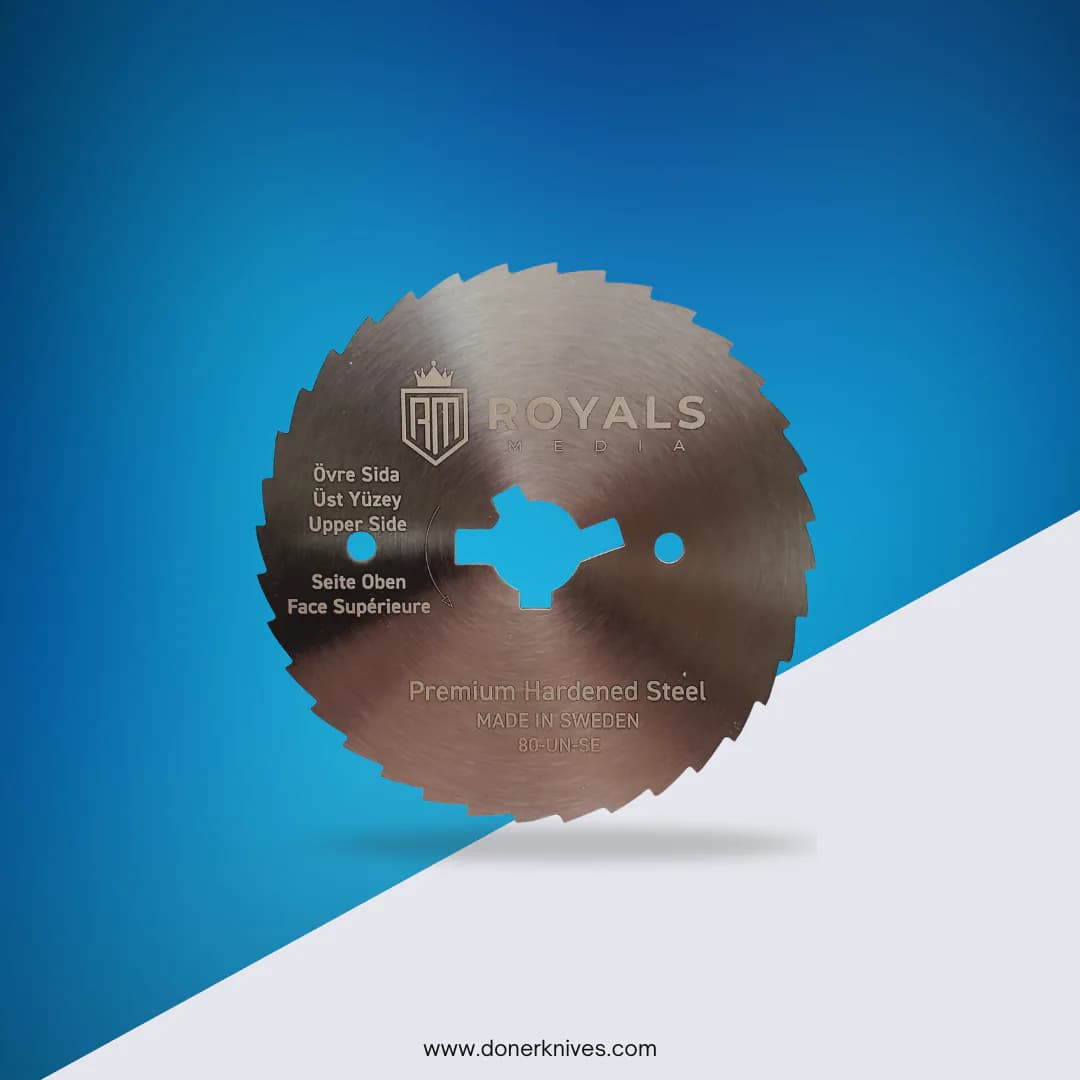
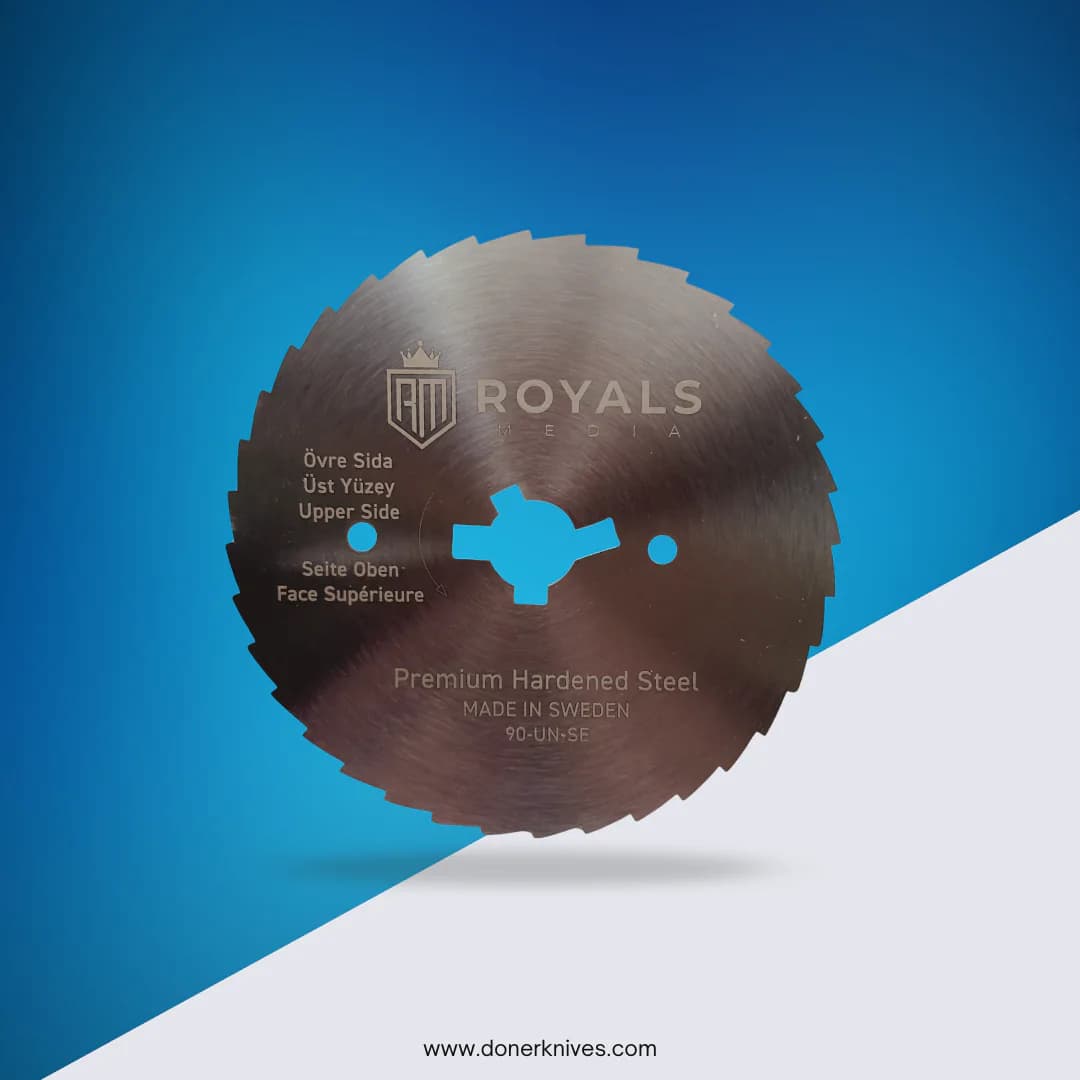
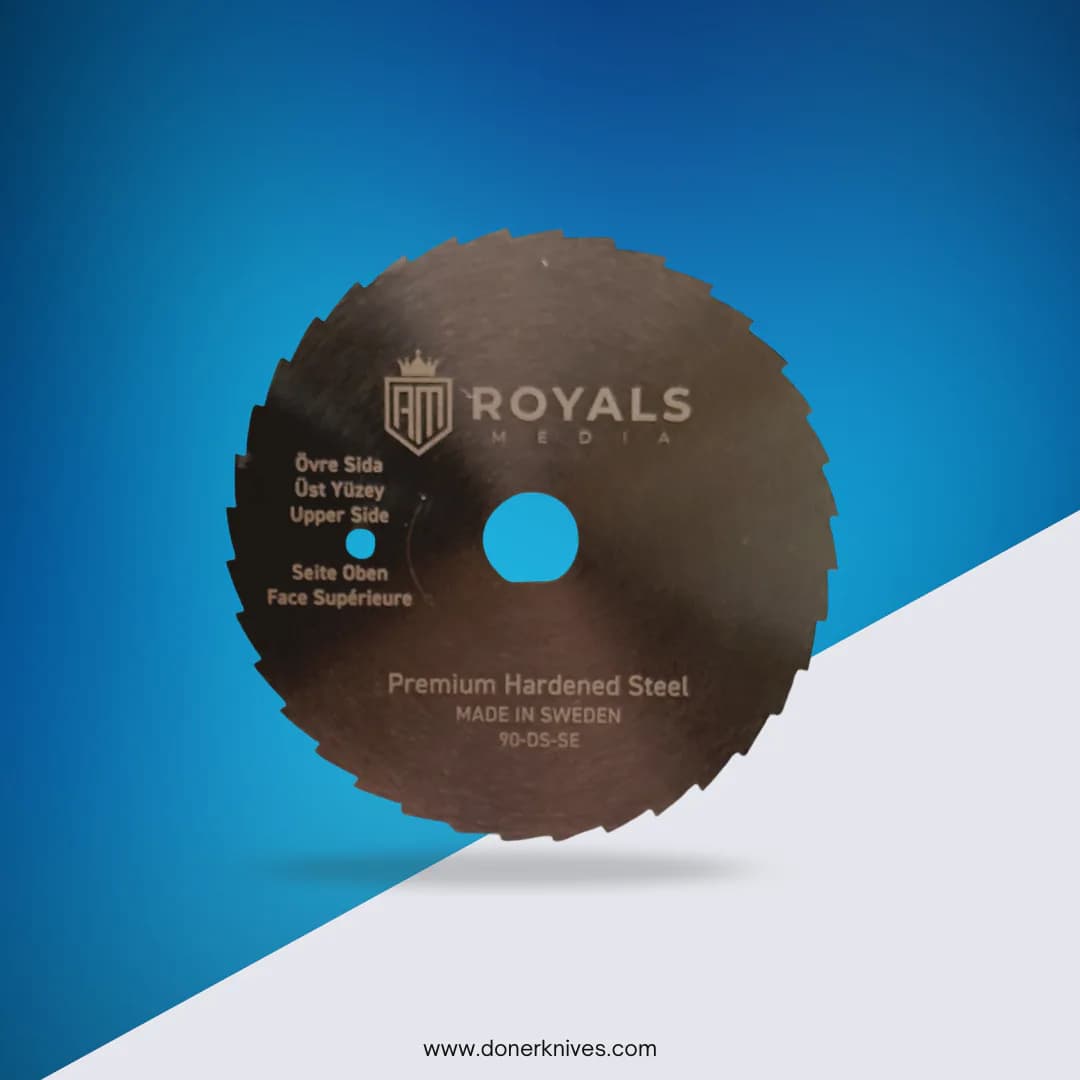
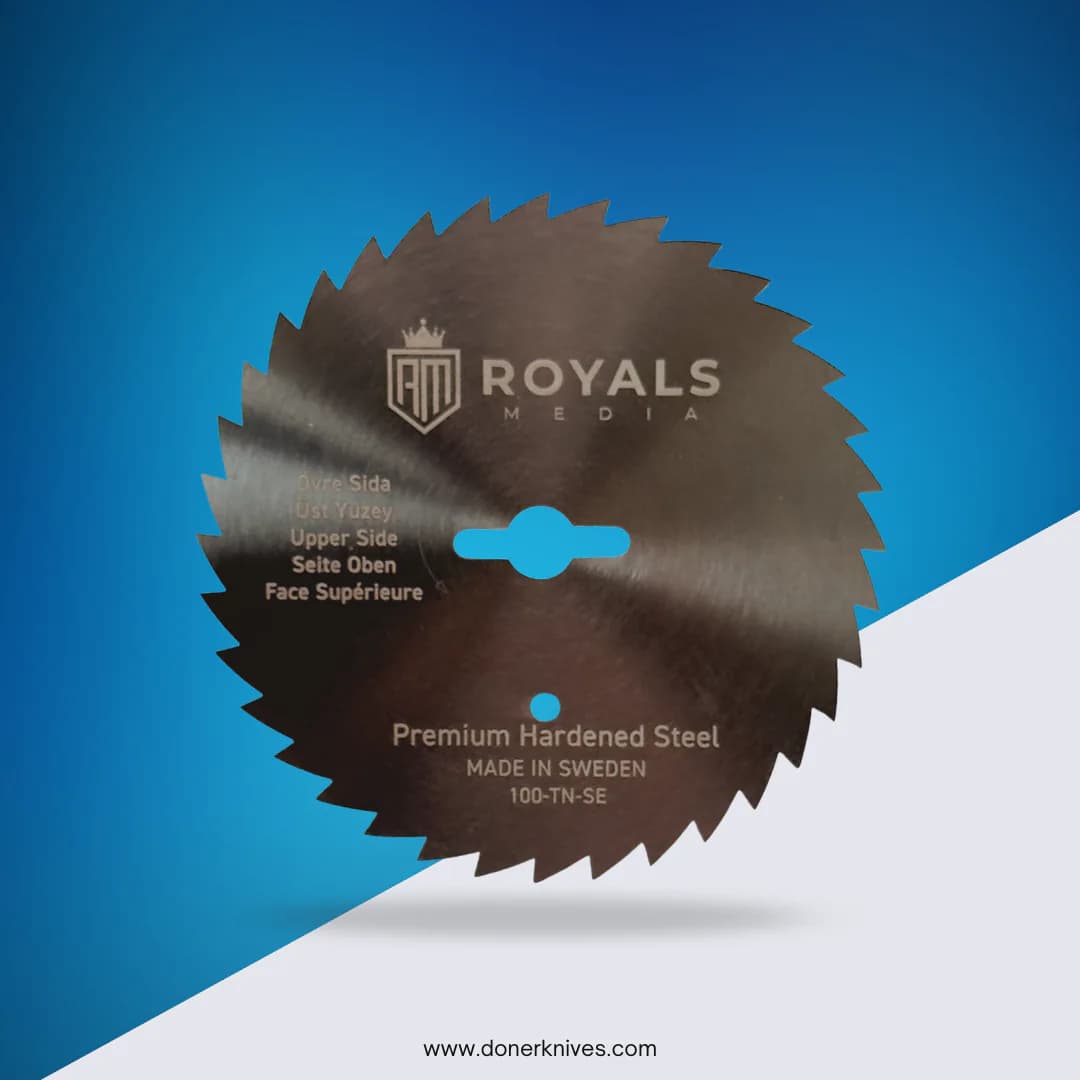
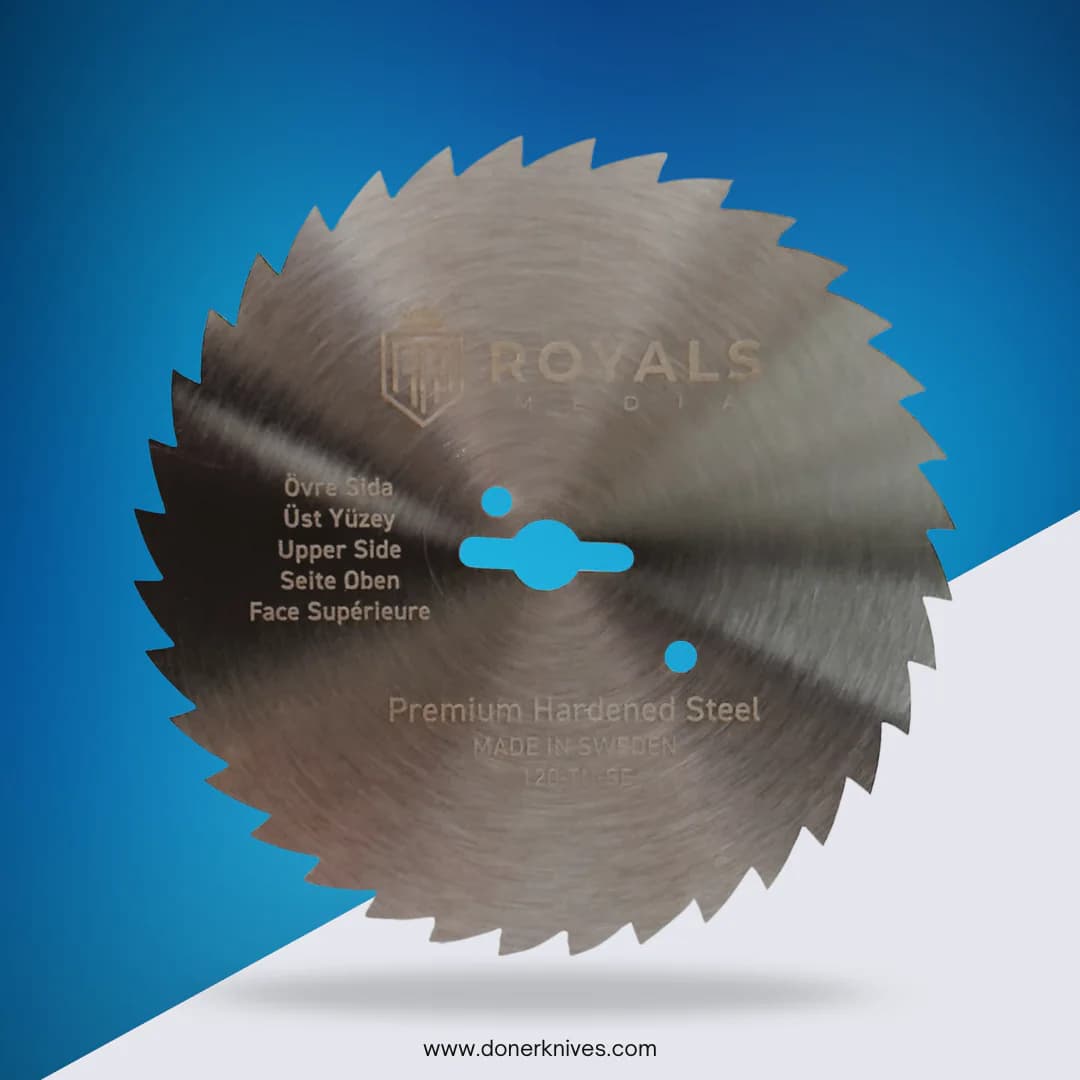
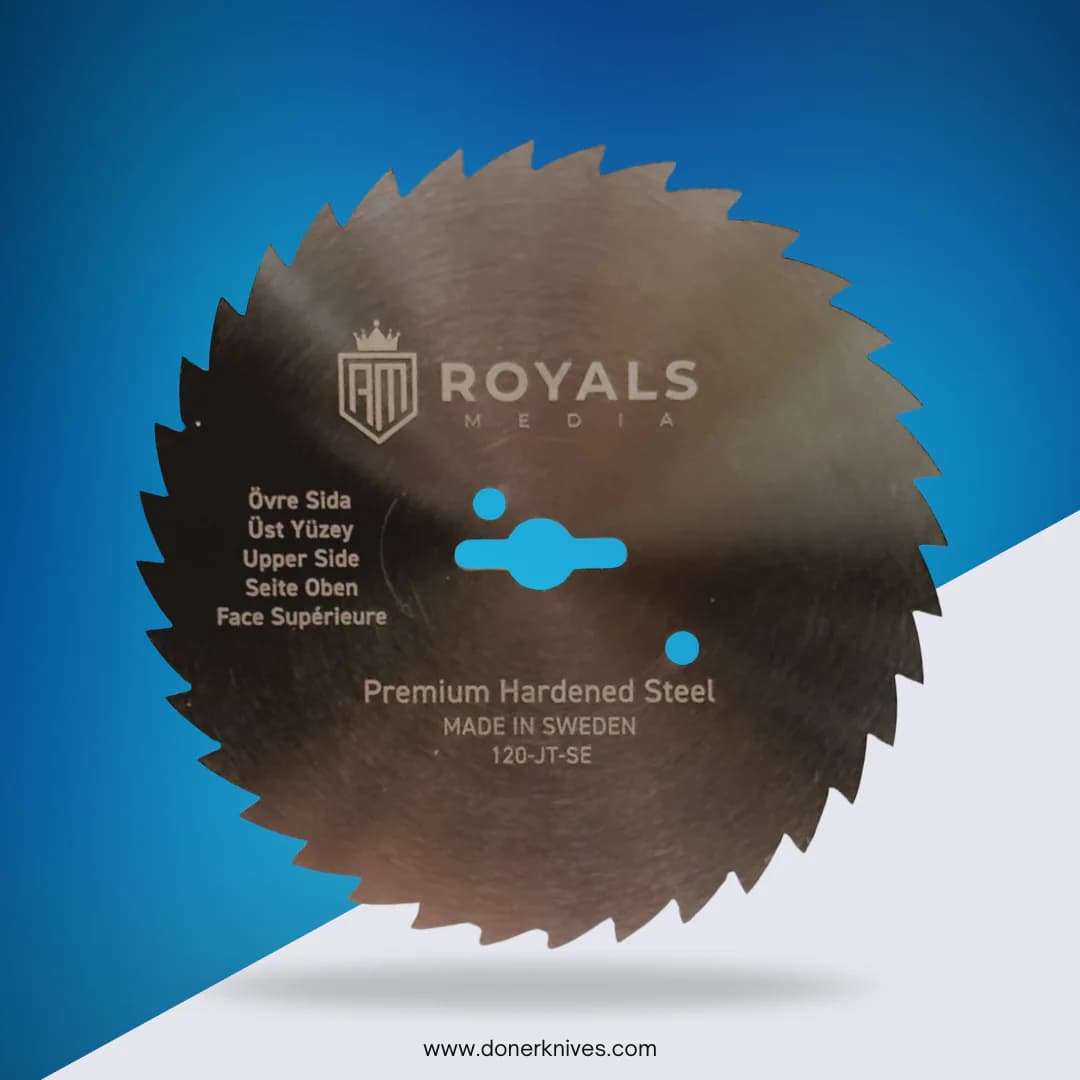
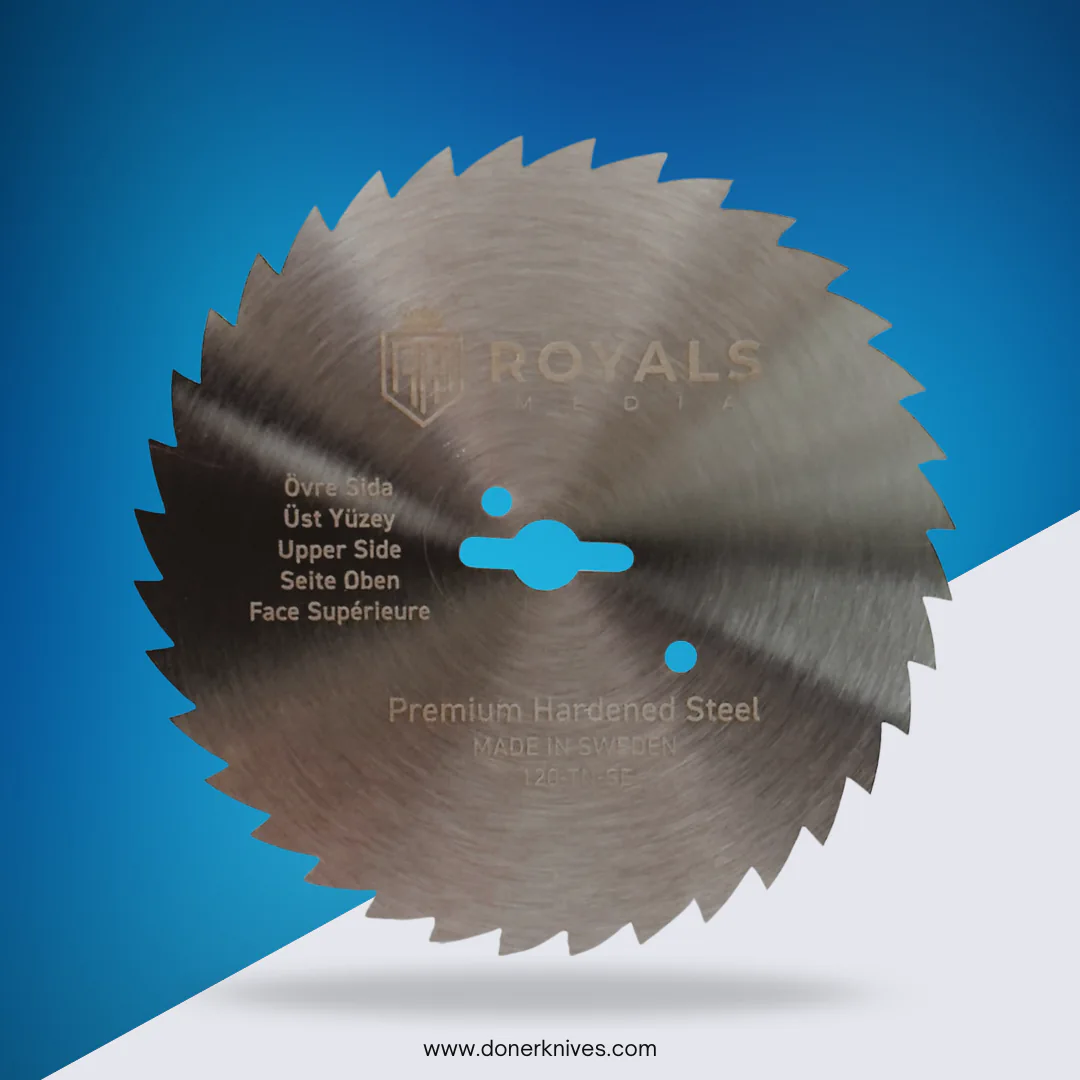
كُرْسِي الدوerner المُلْحَسَن، المعروف في المجال بـ "المُلْحَسَن"، هو كُرْسِي مُصمم بحواف مُلْحَسَنة. على عكس الكُرْسِي الأملس الذي يُقطع، فإن الكُرْسِي المُلْحَسَن يمسك ويتحرك عبر اللحم. بالنسبة لكثير من مُحترفي الدوerner، فإن هذا الاختيار هو الأمثل لتحقيق قطع مُتحكم فيه، آمن، وفعال يحتفظ باللحوم على السَّكين. لكن الأهم أن تفهم أن جميع كُرْسِينا، سواءً كانت مُلْحَسَنة أو أملسة، تُصنع من الفولاذ المقاوم للصدأ عالي الجودة. الفرق ليس في الجودة، بل في الوظيفة والتوافق مع الآلات. يُساعدك هذا الدليل على فهم متى يكون كُرْسِي المُلْحَسَن هو الخيار المناسب لآلة الدوerner الخاصة بك ولطريقة عملك.
ما هو كُرْسِي الدوerner المُلْحَسَن؟
يتميز كُرْسِي الدوerner المُلْحَسَن بشفرته المُلْحَسَنة أو المُقَطَّعة. كل "سن" يعمل كقطعة صغيرة تلتقط ألياف اللحم. عندما يدور الكُرْسِي نحو السَّكين المُدفأ، فإنه لا يُقطع فقط، بل يمسك ويمر عبر اللحم بمقاومة منخفضة. هذا يُوفر شعورًا فريدًا بالقطع الذي يقدّره كثيرون لسيطرته. بغض النظر عن اختيارك لكُرْسِي مُلْحَسَن من منتجاتنا مثل 120mm Jet – مسننة أو 120mm دوست – مسنن، فإن جودة الفولاذ والمتانة متشابهة. الخيار يعتمد على التفضيل الوظيفي والتوافق التقني.
مزايا كُرْسِي الدوerner المُلْحَسَن
لماذا يختار كثيرون من المطاعم والمقاهي الشاردة كُرْسِيًا مُلْحَسَنًا؟ الإجابة تكمن في المزايا العملية التي تؤثر مباشرة على تدفق العمل والناتج النهائي.
- التمسك المتفوق: تلتصق الأسنان الصغيرة بالسطح اللحوم، مما يلغي خطر انزلاق الكُرْسِي. هذا مفيد خصوصًا عند قطع القطع الصلبة أو الجلد أو اللحم ذات القوام غير المتجانس.
- القطع الأكثر استقرارًا وأمانًا: بسبب قدرة الكُرْسِي على مسك اللحم، فهو يتطلب ضغطًا أقل من المشغل. هذا يقلل خطر الاهتزازات ويجعل القطع متوقعًا وأكثر أمانًا، وهو عامل مهم في بيئة العمل.
- مثالي للشرائح الرقيقة: تساعد الحواف المُلْحَسَنة على إنتاج شرائح متساوية ورقيقة دون انزلاق اللحم. إنه مثالي للشرائح التقليدية للدوerner التي يفضلها كثيرون في الشرق الأوسط.
- تقليل الحاجة للшлиح: يحتفظ الكُرْسِي المُلْحَسَن بحدوته الوظيفية لفترة أطول بين عمليات الشليح. حتى لو تراجعت الأسنان، فإنها تستمر في العمل بكفاءة لفترة طويلة بعد أن يحتاج الكُرْسِي الأملس إلى الشليح.
متى تختار كُرْسِيًا مُلْحَسَنًا بدلاً من الأملس؟
-choice between serrated and smooth depends entirely on your needs and preferences. Read our in-depth comparison in the article سكين دونر مسنن أم أملس: أيهما تختار؟. Here are clear scenarios where a serrated blade is often the best choice:
- If you cut a lot of chicken döner or skin-on meat: The serrated blade's grip is indispensable for safely handling these challenging consistencies.
- If you prioritize ergonomics and stability: Less risk of unexpected movements makes it a safer choice in a hectic kitchen environment.
- If you want to minimize maintenance frequency: You can often run longer between sharpenings with a serrated blade without losing all functionality.
- If your machine is of the brand Jet, Dost, or Tandir: These machines are often designed to take full advantage of both serrated and smooth blades. Make sure to choose the right model, such as 120mm Tandir – مسننة for Tandir machines.
Important Factors to Consider When Choosing a Serrated Blade
Choosing the right serrated blade is not about finding the "best" but the one that fits your equipment and habits perfectly.
1. Machine Brand and Model (The Most Important Factor)
The absolute first thing you must check is the brand of your döner machine. A blade designed for a Dost machine rarely fits a Jet machine, and vice versa. The mounting points (holes) and blade diameter must match exactly. Our blades are clearly categorized by machine:
- Universal blades: Fit many common machines. Check the number of holes on your machine's blade holder (2, 3, or 4) and choose accordingly, e.g., 140 مم عالمي – 4 ثقوب.
- Jet blades: Specifically designed for Jet döner machines. Choose between serrated 120mm Jet – مسننة or smooth.
- Dost blades: Specific for Dost machines, such as 120mm دوست – مسنن.
- Tandir blades: For Tandir machines, available in several sizes like 100mm Tandir – مسننة and 120mm Tandir – مسننة.
2. Size (Diameter)
The blade's diameter (80mm, 90mm, 100mm, 120mm, 140mm) must match the space your machine is constructed for. A blade that is too large risks hitting the machine's hood or guard. A blade that is too small does not reach optimally into the meat. Check your machine's manual or measure the existing blade. 120mm is a very common size for professional machines.
3. Number of Mounting Holes
This is crucial for secure mounting. Most machines use 2, 3, or 4 screws to mount the blade. The number and placement of the holes on the blade must be identical to the holder on your machine. A wrong installation is extremely dangerous. Our Universal blades are available in all variants to cover most needs.
Quick Reference Table: Serrated Blades and Machine Compatibility
| Machine Brand/Type | Recommended Serrated Blade | Available Sizes (Examples) | Important Compatibility Info |
|---|---|---|---|
| Universal (many brands) | Universal Serrated (2,3,4 holes) | 140mm (2,3,4 holes), other sizes upon request | Check the hole count on your machine carefully. |
| Jet | Jet Serrated | 120mm | Specific design for Jet machines' mounting system. |
| Dost | Dost Serrated | 120mm | Designed according to Dost's specifications. |
| Tandir | Tandir Serrated | 100mm, 120mm | Available in two common sizes for different Tandir models. |
Common Questions About Serrated Döner Knife Blades (FAQ)
Do I need to sharpen a serrated blade?
Yes, but less often than a smooth blade. When a serrated blade loses its sharpness, it is most noticeable when it starts "dragging" or requiring more force, rather than stopping functioning entirely. Professional sharpening with the right equipment is recommended to maintain the tooth profile. Read more in our guide on صيانة شفرة سكين الدونر: دليل خطوة بخطوة.
Can I use the same serrated blade on different machines?
No, it is absolutely not recommended if the machines are not the exact same model from the same manufacturer. Mounting systems differ, and a mismatch can lead to serious accidents. Always use the blade specifically designed for your machine.
Are serrated blades harder to clean?
They can be a bit more demanding. Meat remnants can get stuck between the teeth. A thorough cleaning with hot water, detergent, and a brush immediately after use is essential for hygiene and to prevent rust. Always dry the blade immediately.
Which blade is best for a home user?
For someone who buys pre-made döner skewers and cuts at home, a universal serrated blade is often an excellent and safe choice. It provides better control if you're not used to it. Make sure your machine accepts universal blades and check the hole count.
Does a serrated blade last longer?
From a purely functional perspective, yes. Because it relies on grip from many small teeth rather than a single, sharp edge, it remains useful longer even when it's not razor-sharp. Sharpening is needed to restore optimal performance.
Summary: How to Choose the Right Serrated Blade
Investing in the right serrated döner knife blade is about ensuring compatibility, safety, and efficiency—not about comparing quality between models. Follow these four steps:
- Identify your machine: Brand (e.g., Jet, Dost, Tandir) or if it takes universal blades.
- Check the size: Measure the diameter of your current blade or check the manual (usually 100-140mm).
- Count the holes: The number of mounting holes on your machine's blade holder (2, 3, or 4) is crucial.
- Determine your preference: Do you want the superior grip and increased stability of a serrated blade? In that case, it's the right choice for you.
By focusing on these factors, you can confidently choose the blade that will give you years of reliable and safe cutting. All our blades are built to last. Visit our range and use this guide to find the perfect match for your döner machine. For more detailed guidance on choosing blades in general, see our main guide: دليل شفرات سكين الدونر: اختر الأنسب لجهازك.
مقالات ذات صلة
احصل على الشفرة المناسبة لجهازك
شفرات دونر احترافية. التوصيل إلى جميع أنحاء أوروبا.