February 28, 2026
Which Doner Knife Fits My Machine? Guide 2026
Selecting the correct döner knife blade is crucial for smooth kitchen operations, but the many options can feel overwhelming. The key takeaway is that all our blades are made from the same high-quality stainless steel—there are no differences in quality or durability. Instead, the choice revolves entirely around compatibility. The right blade depends on your machine model, the size it requires, and whether you prefer a serrated or smooth cutting edge. This guide walks you step-by-step to ensure you get a blade that fits perfectly and delivers optimal slices every time.
The 4 Key Factors to Choose the Right Döner Knife Blade
Before purchasing a new blade, check four critical details on your current machine or old blade. Missing any could result in a blade that doesn’t fit or function properly. Think of it like buying car parts—you need to know the exact model and specifications.
1. Machine Brand and Model (The Most Important Factor)
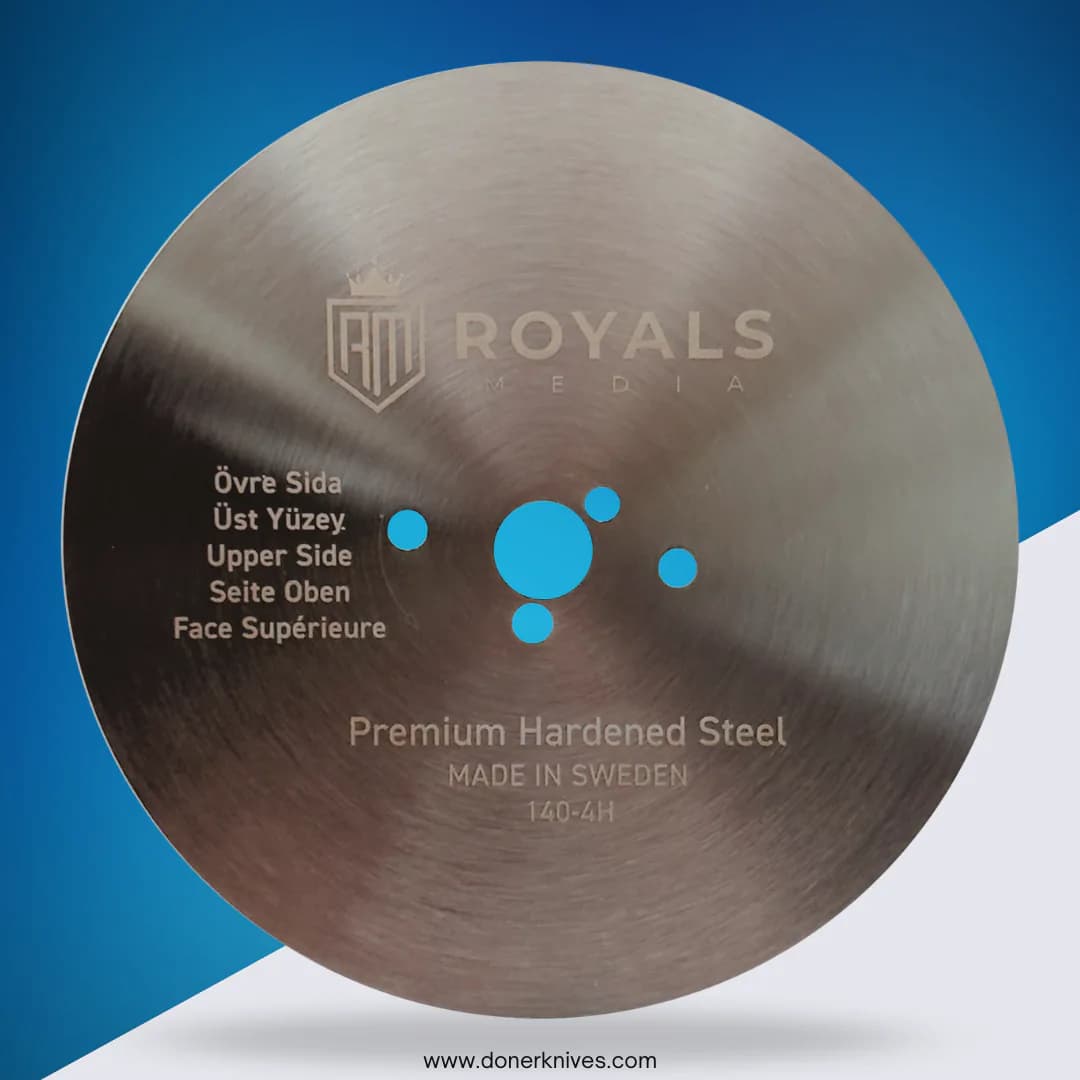
The first and most critical step is identifying your döner machine’s brand. Manufacturers use different mounting systems and shaft dimensions. The most common brands in the Swedish market are Jet, Dost, and Tandir. Each requires a blade with specific hole placement to fit the shaft. A Jet blade won’t work on a Dost machine and vice versa. If unsure, check the machine’s nameplate or manual. For older or generic machines, universal blades offer broad compatibility. Our universal range, such as 140mm Universal – 4 Hole, is a safe choice for machines without a known brand.
2. Blade Diameter (Size)
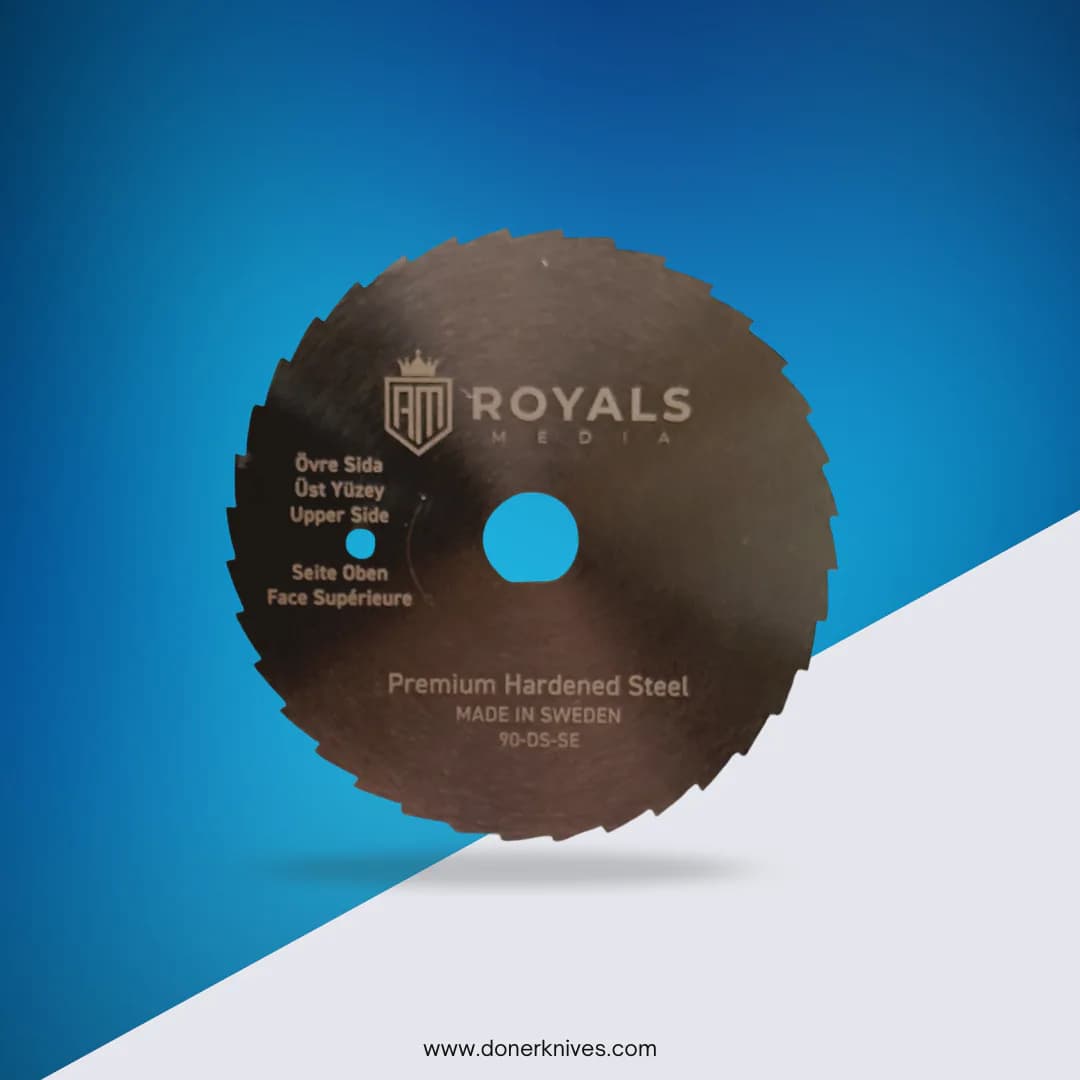
Blade size is measured by diameter (across the blade) and determines cutting capacity and fit. Common sizes include 80mm, 90mm, 100mm, 120mm, and 140mm. Larger blades (e.g., 140mm) are typically for larger, professional machines and can cut deeper into meat. Smaller blades (e.g., 100mm) suit smaller machines or home use. Always match the original size. Oversized blades risk colliding with the machine guard or insufficient clearance. Undersized blades may not cut deep enough. Measure your old blade with calipers or compare with a size chart.
3. Serrated or Smooth Edge? (Cutting Edge)
This is a matter of personal preference and the type of meat you cut most. Both are made from the same exceptional steel and last equally long with proper care.
- Serrated (Serrated) edge: Features small "teeth" like a saw. This improves grip on cold, fatty, or slightly tough cuts, reducing the risk of slippage. Learn more about advantages in our guide Serrated Doner Knife Blade: Complete Guide 2026.
- Smooth (Smooth) edge: Delivers a clean, even, and precise slice. Ideal for warm, tender meat where you want aesthetically perfect, thin slices. It often requires more skill to use optimally.
Need a deeper comparison? We have a dedicated article: Serrated vs Smooth Doner Blade: Which to Choose?.
4. Number of Mounting Holes (Mounting System)
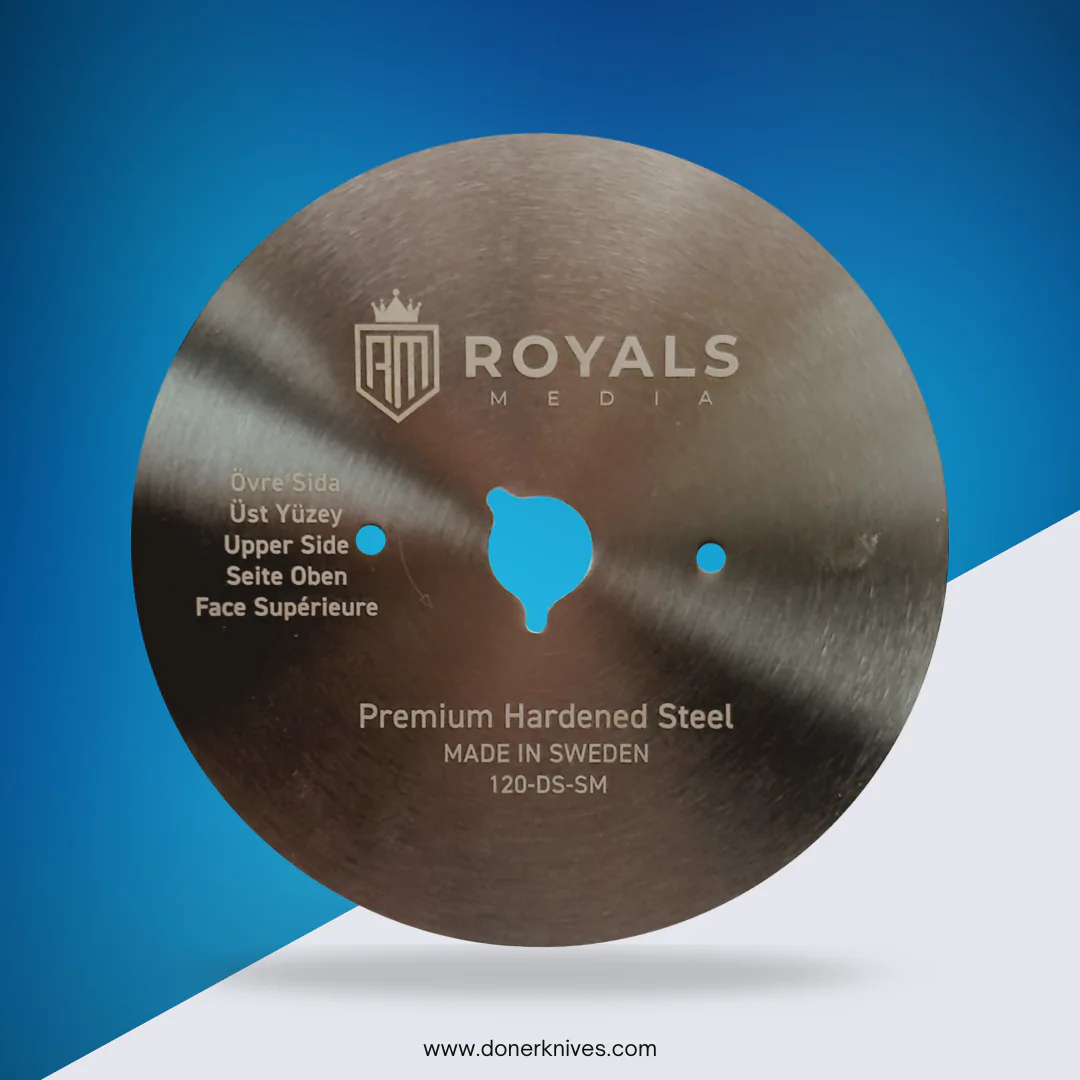
The blade must screw onto the machine’s rotating shaft. The number of holes on the blade (typically 2, 3, or 4) must match the threaded bolts on the machine’s mounting plate. This is a direct mechanical match. A 3-hole blade cannot mount on a 2-bolt shaft. Most modern, larger machines use 4-hole systems for stability, while smaller machines may have 2 or 3. Inspect your machine or old blade and count the holes carefully.
Blade Guide by Machine Type
Here’s an overview of our blades compatible with common machine types. Always confirm the diameter within the same brand.
Blades for Jet Machines
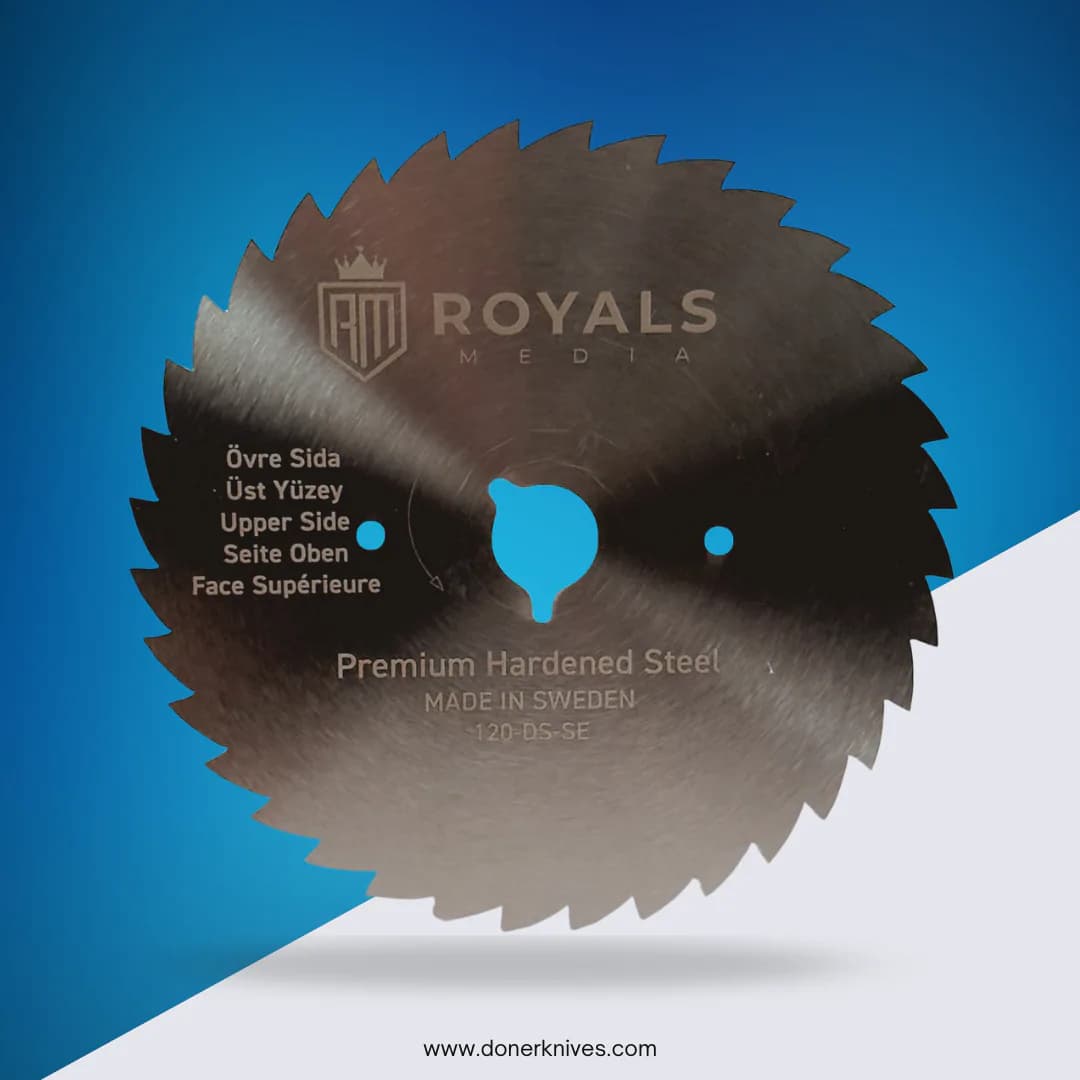
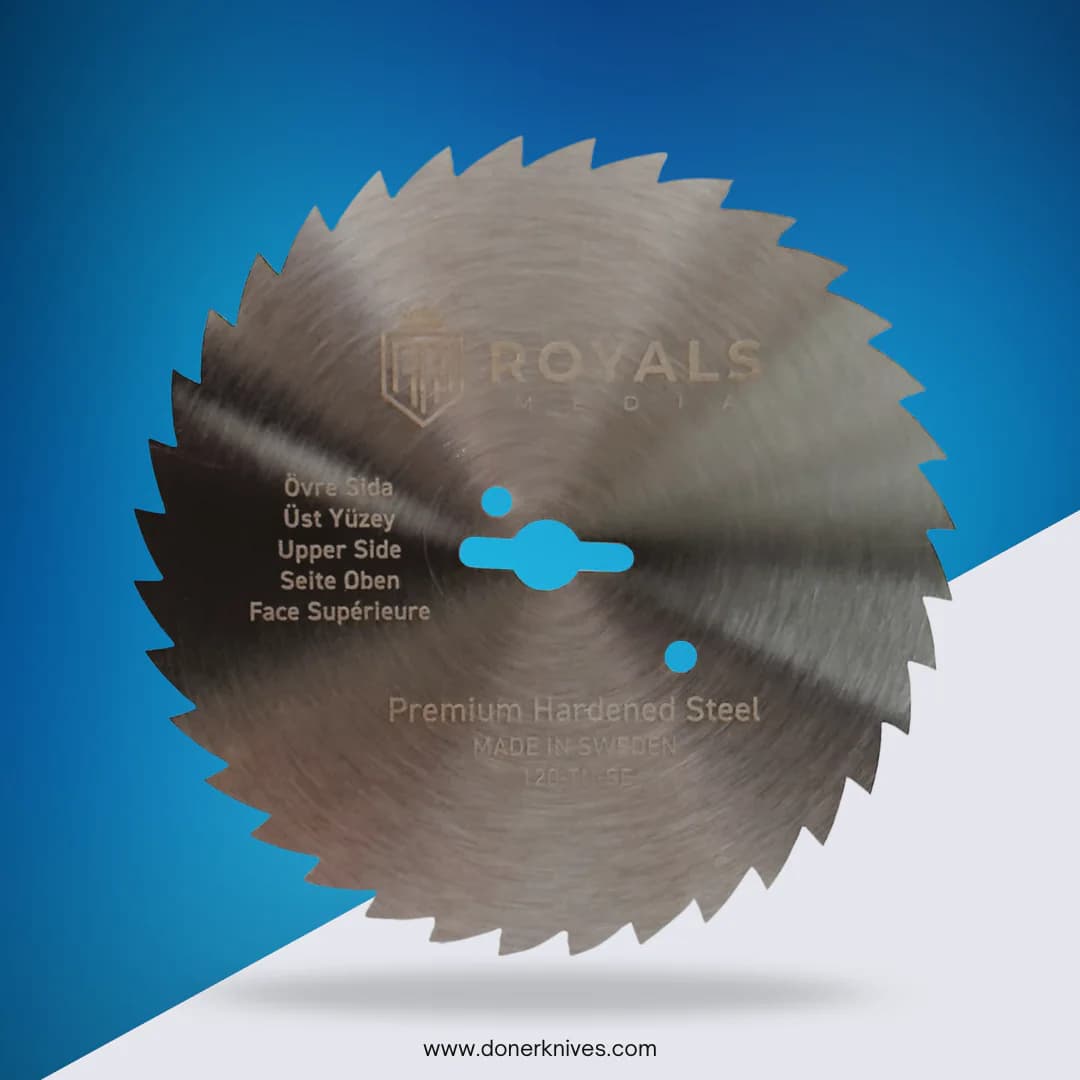
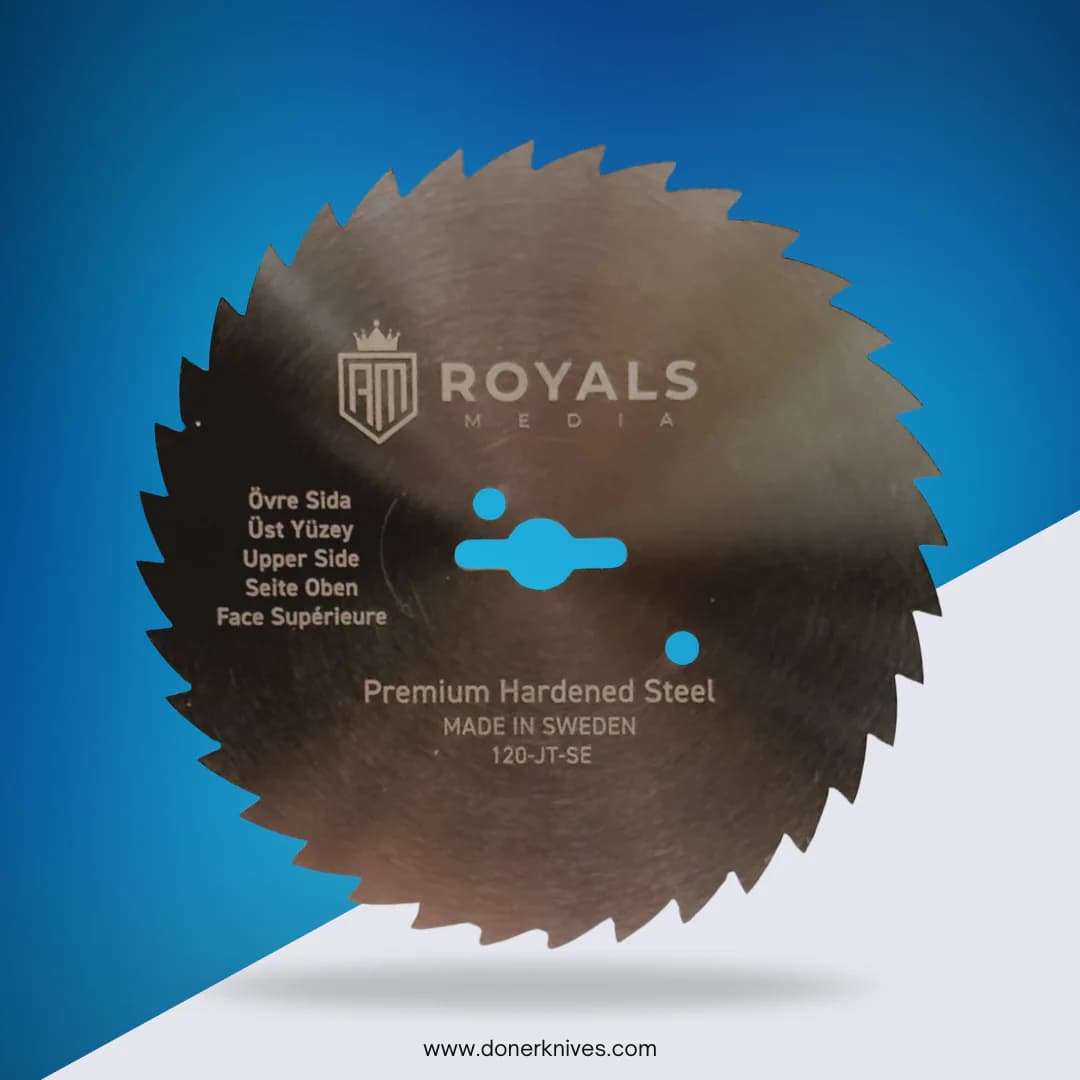
Jet is a leading brand. Their machines require blades with specific hole placement for the Jet shaft. We offer serrated and smooth options in the popular 120mm size. For frequent chicken or fatty meat cuts, the serrated blade 120mm Jet – Serrated is excellent. For cleaner slices on warm red meat, consider the smooth 120mm Jet – Smooth.
Blades for Dost Machines
Dost machines are also common. Like Jet, there are specific blades for this brand. Our range includes serrated and smooth 120mm blades. For professional kitchens where precision matters, our smooth Dost blade is reliable. See 120mm Dost – Smooth.
Blades for Tandir Machines
Tandir machines often use slightly smaller blade sizes. We offer 100mm and 120mm blades for Tandir. For smaller Tandir models, our 100mm Tandir – Serrated is the perfect size. For larger Tandir models, choose 120mm.
Universal Blades (Fit Most Other Machines)
Have an older machine, a generic model, or an unknown brand? A universal blade is often the way to go. These have standardized hole placement for compatibility with many shafts. Our most popular universal blade is 140mm with 4 holes: 140mm Universal – 4 Hole. We also offer 2- and 3-hole versions for full compatibility.
Quick Reference Table: Machine & Compatible Blades
| Machine Brand/Type | Compatible Blades (Examples) | Available Sizes & Types |
|---|---|---|
| Jet | Specific Jet Blade | 120mm (Serrated & Smooth) |
| Dost | Specific Dost Blade | 120mm (Serrated & Smooth) |
| Tandir | Specific Tandir Blade | 100mm (Serrated), 120mm (Serrated & Smooth) |
| Universal / Others | Universal Blades (2, 3, or 4 holes) | 140mm (2, 3, 4 holes), other sizes as needed |
Note: The size (diameter) must always be verified against your specific machine model.
Common Questions (FAQ) About Döner Knife Blades
How can I be sure which blade fits my machine?
The safest way is to inspect your current used blade. Note: 1) Diameter (measure with calipers), 2) Number of mounting holes, and 3) Whether the edge is serrated or smooth. If the blade is missing, check the machine’s manual or nameplate for the model number, and feel free to contact us with that information.
Can I use a serrated blade if I previously had a smooth one?
Absolutely! As long as the size and mounting holes match your machine, you can freely switch between serrated and smooth. Many kitchens switch depending on the meat they cut that day. Serrated edges provide better grip on colder or fattier cuts.
Why are there different numbers of holes (2, 3, 4)?
The number of holes matches the threaded bolts on your machine’s mounting plate. More holes (e.g., 4) typically provide a sturdier and more secure mounting, important for heavy-duty, professional blades. It’s a mechanical standard—always use the number of holes your machine is designed for.
How often should I replace or sharpen my döner knife blade?
Frequency depends on usage. A blade in continuous professional use may need daily sharpening. For home use, a few times per year may suffice. Replace when sharpening no longer delivers a sharp, even edge. Read our detailed guide Sharpen Doner Knife Blades: Pro Guide for Results for professional tips.
Are larger blades (e.g., 140mm) better than smaller ones (e.g., 100mm)?
No, not necessarily. A larger blade isn’t “better” in quality—it’s designed for a larger machine. Using an oversized blade on a small machine can be dangerous and inefficient. The right size is the one intended for your specific machine model.
How do I clean and store the blade for food safety?
After each use, clean the blade thoroughly with warm water and mild dish soap. Dry immediately to prevent rust. Store in a dry, secure place, ideally with a protective cap or sheath. Proper maintenance significantly extends lifespan—see our tips in Doner Knife Blade Maintenance: Step-by-Step Guide.
Will your universal 140mm blade fit my Jet machine?
Unlikely. Jet machines require specifically designed Jet blades with a different hole placement. Always use the blade intended for your machine brand to ensure a safe and secure fit.
Summary: How to Choose the Right Blade Step-by-Step
- Identify your machine: Find the brand and model (Jet, Dost, Tandir, etc.).
- Check the size: Confirm the diameter (in mm) on your old blade or manual.
- Determine edge type: Choose serrated for better grip or smooth for cleaner slices.
- Count the holes: See how many mounting holes (2, 3, 4) your machine has.
- Select the right product: Use the information above to find the exact blade in our range.
By following this guide, you eliminate uncertainty and confidently choose a döner knife blade that fits your machine perfectly. Remember, all our blades share the same high quality—the difference lies in compatibility with your equipment. If you still have questions, don’t hesitate to contact us with your machine details, and we’ll help you find the perfect match. For more information on selections for professional kitchens, read our article Doner Knife Blades for Restaurants: Full Guide.
Related articles
Get the right blade for your machine
Professional doner knife blades. Delivery across Europe.