24. Februar 2026
Dönermesser für Restaurants: Kompletter Ratgeber
Im professionellen Küchenumfeld ist jede Einzelheit entscheidend – nicht zuletzt die täglich verwendeten Werkzeuge. Für ein Doner-Restaurant ist ein zuverlässiges Knifblatt mehr als nur ein Arbeitsgerät; es ist eine Investition in Effizienz, Lebensmittelsicherheit und langfristige Gewinnung. Die Wahl der perfekten Doner-Knifblätter für Restaurants ist nicht eine Suche nach dem „Besten“ im Allgemeinen, sondern nach dem optimalen Blatt für die spezifische Maschine und Arbeitsabfolge. Alle unsere Blätter von Doner Knives werden aus hochwertigem rostfreiem Stahl gefertigt – der Unterschied liegt in der Größe, Kompatibilität und Form, um Ihre individuellen Bedürfnisse zu erfüllen. Diese Anleitung erklärt die entscheidenden Faktoren für eine professionelle Wahl mit Fokus auf Langlebigkeit, Hygiene und Maschinenkompatibilität.
Warum die richtigen Doner-Knifblätter für die Restauranthygiene entscheidend sind
Lebensmittelverarbeitung in professionellen Dimensionen erfordert strikte Hygienestandards. Ein stumpfes oder falsches Blatt kann dazu führen, dass das Fleisch zerkleinert wird anstelle eines sauberen Schnitts, wodurch unebene Flächen entstehen, die Bakterienwachstum begünstigen. Ein scharfes, gut gepflegtes Blatt gewährleistet eine reine Schnittfläche, die die Struktur des Fleischs bewahrt und das Kontaminationsrisiko minimiert. Gemäß der EU-Lebensmittelhygieneverordnungen muss jede Ausrüstung, die mit Lebensmitteln in Berührung kommt, leicht zu reinigen und zu warten sein. Unsere rostfreien Stahlblätter sind nicht porös und vertragen eine gründliche Reinigung mit heißem Wasser und fettlösendem Spülmittel, was eine Voraussetzung ist, um diese Vorschriften einzuhalten.
Maschinenkompatibilität: Der entscheidende Schritt
Bevor Sie überhaupt über Zahnung oder Größe nachdenken, müssen Sie prüfen, welchen Typ Donermaschine Sie besitzen. Ein falsches Blatt passt einfach nicht und kann gefährlich sein. Professionelle Maschinen weisen unterschiedliche Befestigungssysteme auf.
- Universalblätter (mit 2, 3 oder 4 Löchern) passen zu den meisten gängigen Maschinenmodellen. Prüfen Sie, wie viele Schrauben das aktuelle Blatt befestigen. Unsere beliebten 140mm Universal – 4 Löcher und 140mm Universal – 3 Löcher decken zahlreiche professionelle Anforderungen ab.
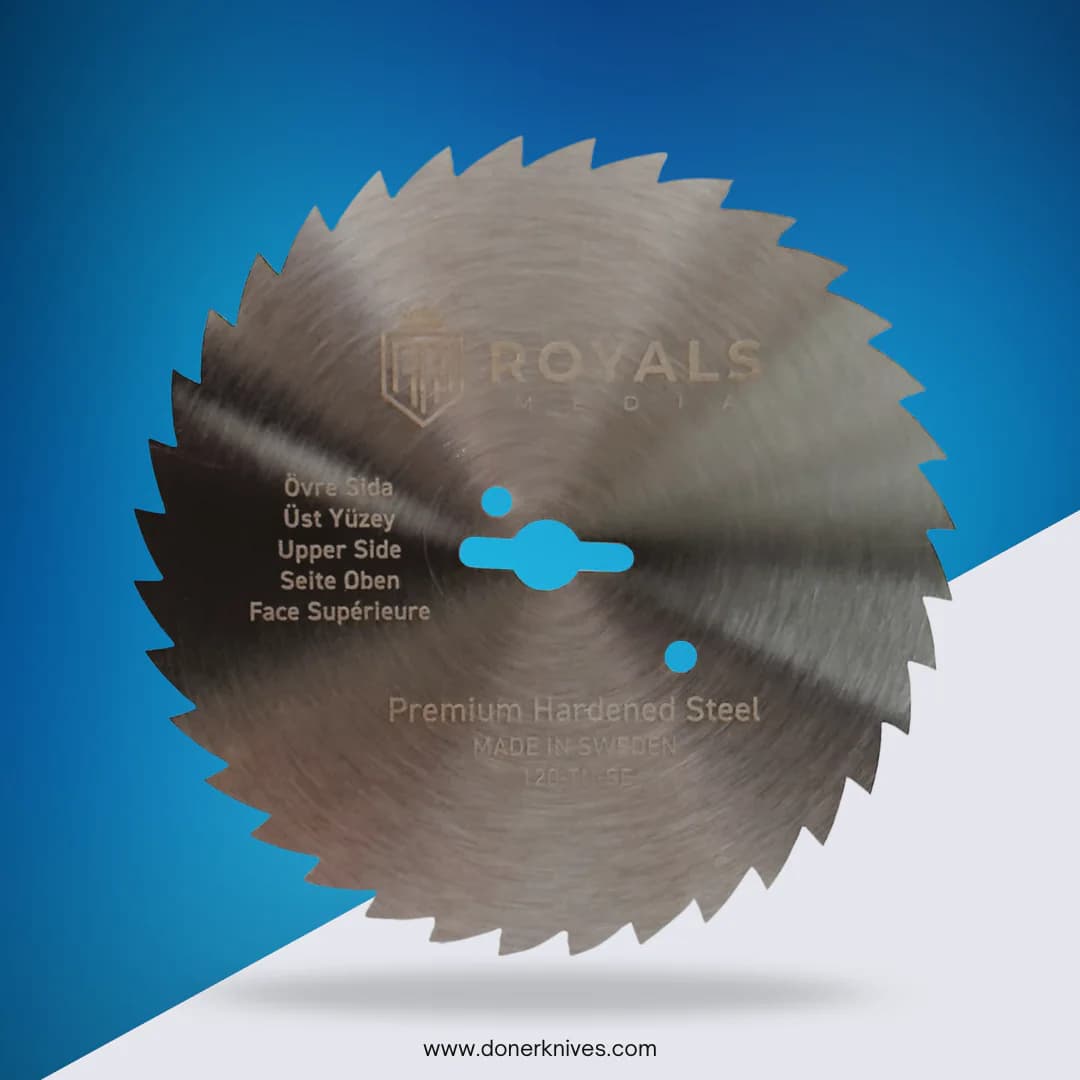
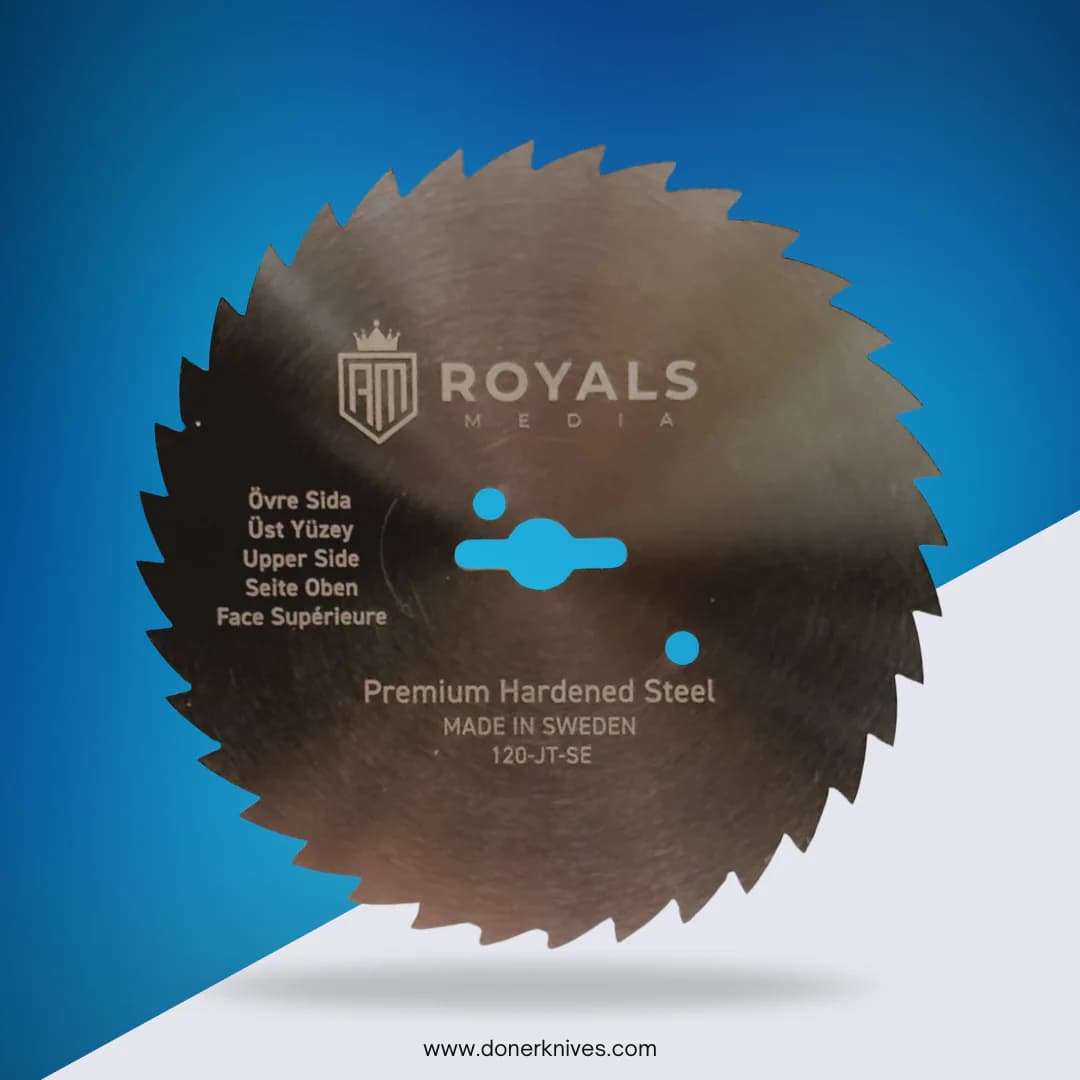
- Jet-, Dost- und Tandir-Blätter sind für diese spezifischen Marken speziell entwickelt. So passen beispielsweise 120mm Jet – Gezahnt und 120mm Jet – Glatt ausschließlich zu Jet-Maschinen.
Weitere Informationen finden Sie in unserem detaillierten Leitfaden: Dönermesser-Ratgeber: Das richtige Blatt wählen.
Größenleitfaden: 80mm bis 140mm – Welcher Durchmesser ist für Sie relevant?
Der Durchmesser des Blatts hängt direkt mit der Größe der Maschine und der Verarbeitungsmenge an Fleisch zusammen. Ein zu kleines Blatt erfüllt nicht seine Aufgabe, während ein zu großes unhandlich und ineffektiv sein kann.
| Blattdurchmesser | Typische Anwendung | Empfohlenes Blatt |
|---|---|---|
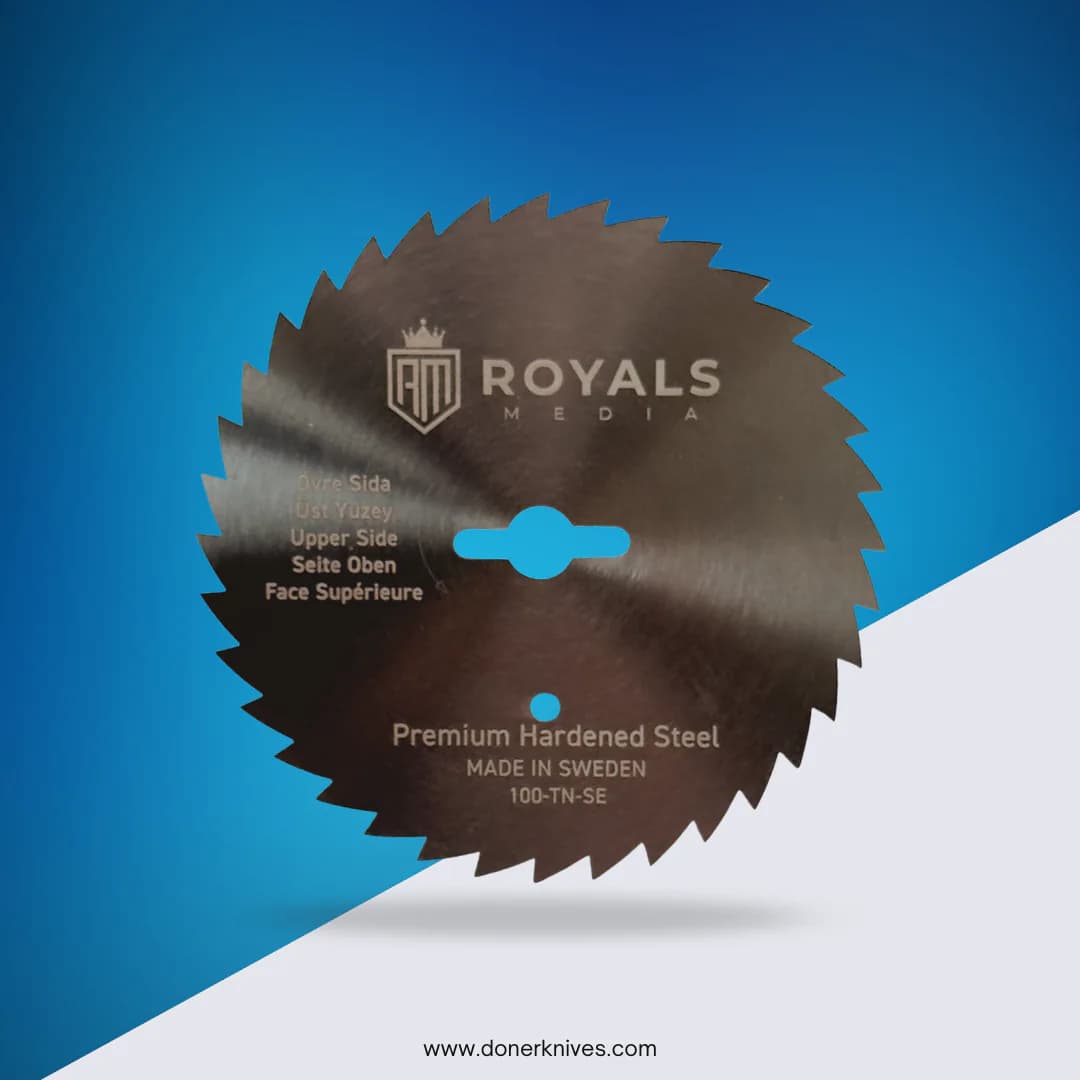
| 80-100mm | Kleine Maschinen, Catering, kleine Restaurants | 100mm Tandir – Gezahnt |
| 120mm | Standard für die meisten professionellen Restaurantmaschinen. Meistverkaufte Größe. | 120mm Dost – Gezahnt oder 120mm Tandir – Glatt |
| 140mm | Große Maschinen für Restaurants mit hohem Umsatz, Supermärkte | 140mm Universal – 2 Löcher |
Zahnschnitt (Zahnschnitt) vs. Glatte Schnitt (Glatte): Welcher ist optimal für Ihr Restaurant?
Die Wahl zwischen gezahntem und glattem Schnitt hängt von Arbeitsmethoden und individuellen Präferenzen ab, nicht von der Qualität. Beide Varianten werden aus gleichwertigem Stahl gefertigt.
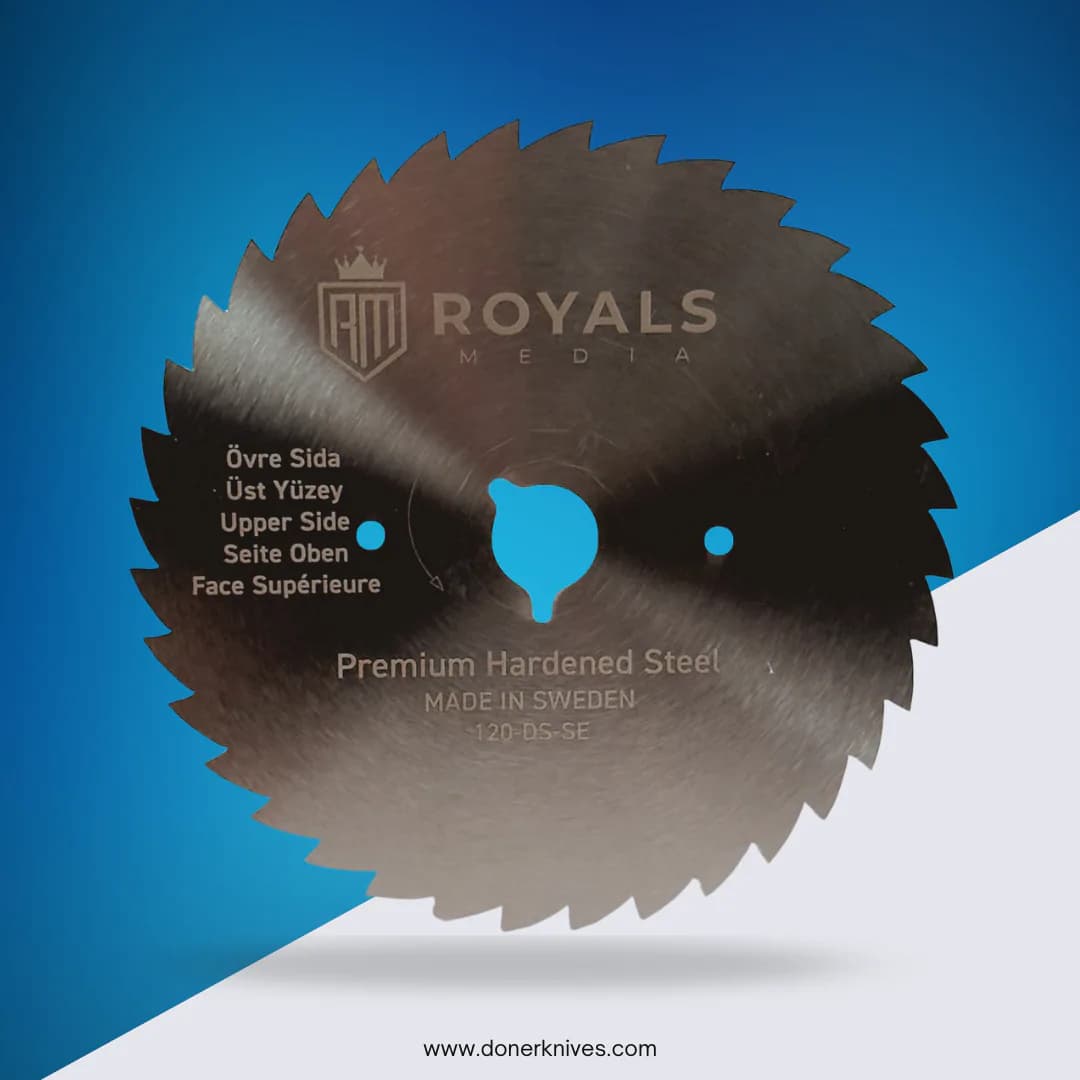
- Gezahnter Schnitt (Zahnschnitt): Funktioniert wie eine Säge. Bietet besseren Griff, was bei dünneren Scheiben oder leichteren Fleischsorten vorteilhaft ist. Reduziert das Risiko, dass das Blatt „abrutscht“. Ideal für schnelle, effiziente Zubereitung unter hohem Leistungsdruck. Sehen Sie sich unsere 120mm Dost – Gezahnt an.
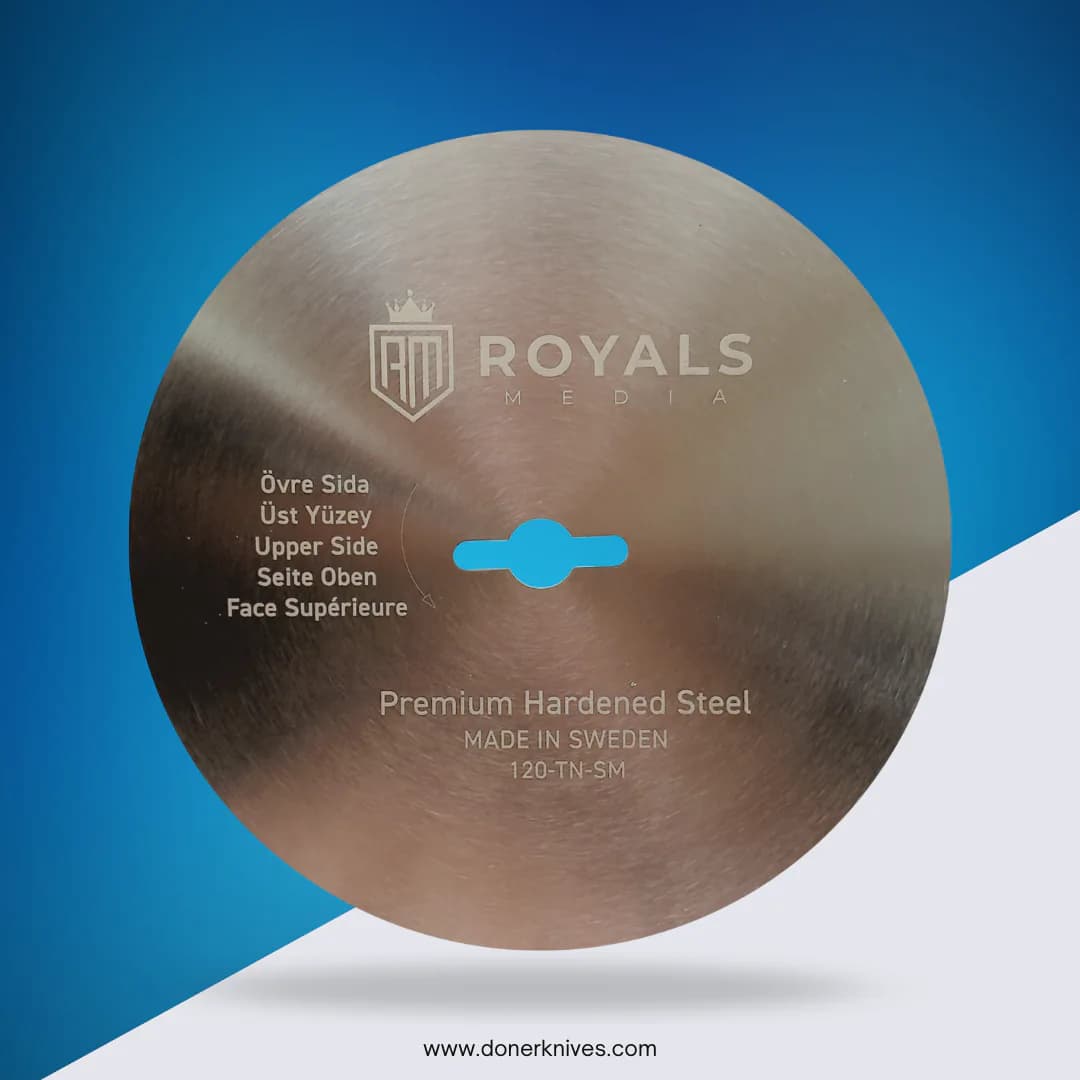
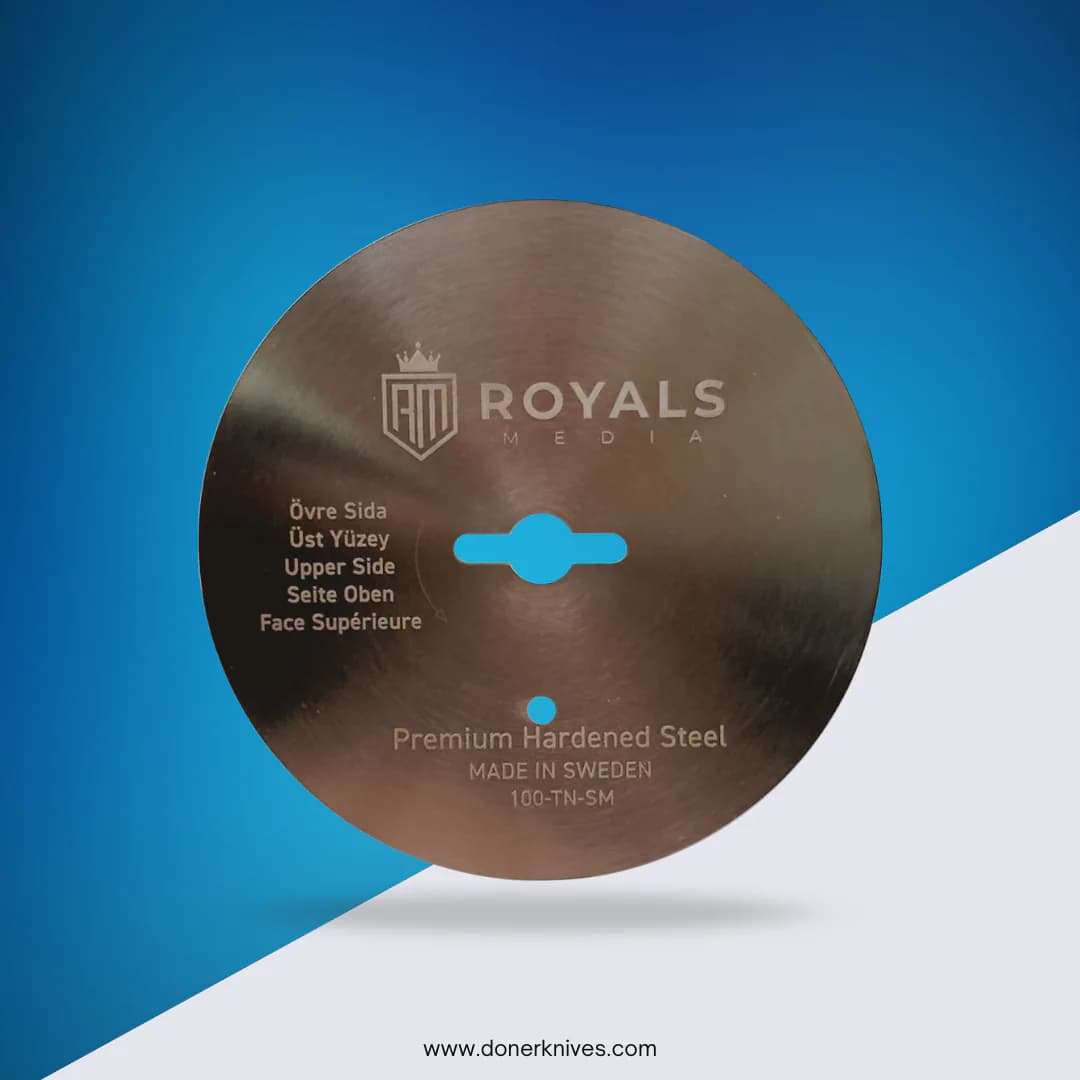
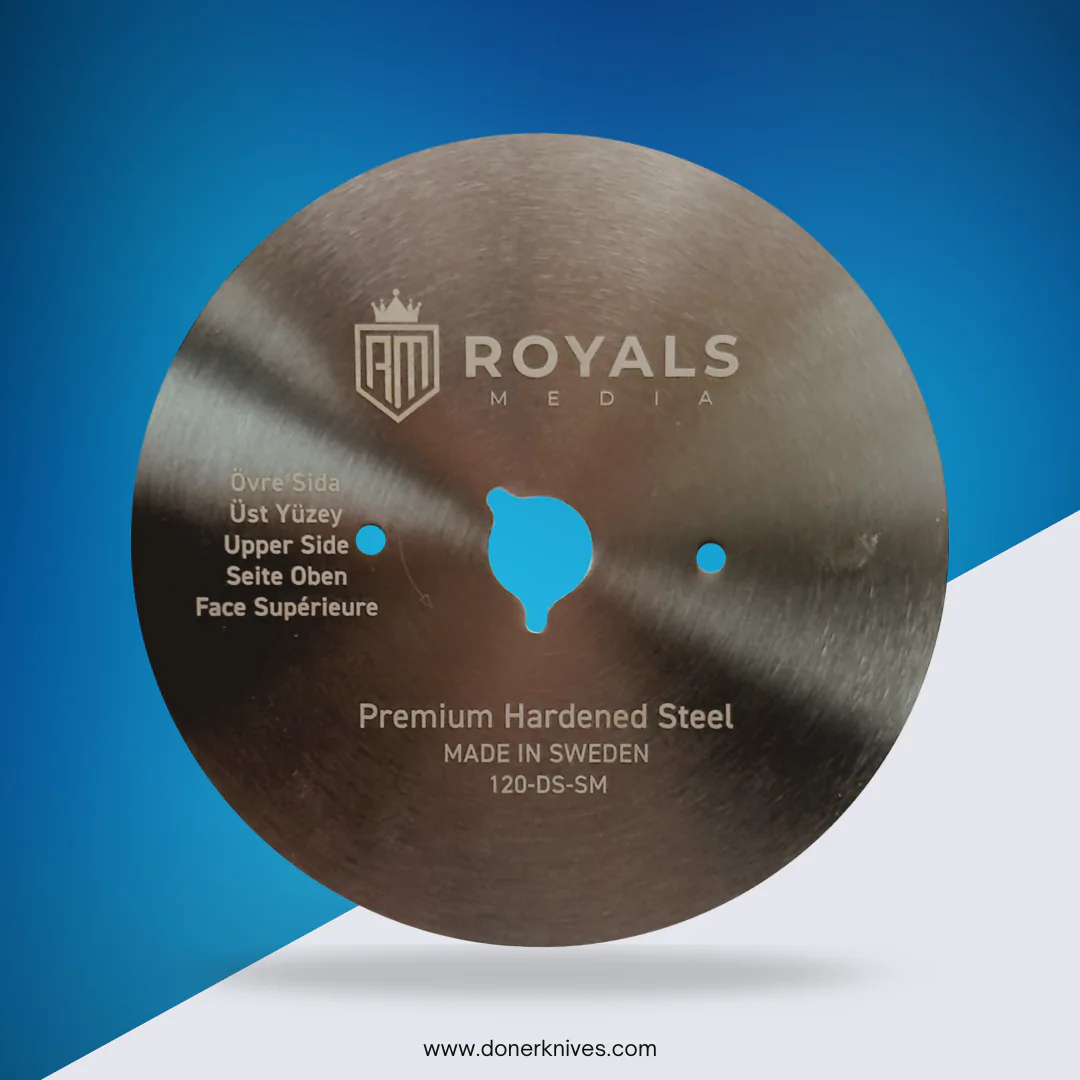
- Glatte Schnittkante (Glatte): Erzeugt einen extrem sauberen und präzisen Schnitt. Wird von Köchen geschätzt, die die perfekte Präsentation bevorzugen. Erfordert oft häufigeren Wetzvorgang, um die Schärfe zu bewahren. Ideal für gehobene Gastronomie, bei der jede Scheibe perfekt aussehen soll. Probieren Sie ein 120mm Jet – Glatt.
Für eine tiefgehende Vergleichsanalyse lesen Sie unseren Artikel: Gezahnt vs. glatt Dönermesser: Welches wählen?.
Haltbarkeit und Pflege: So verlängern Sie die Lebensdauer Ihres Blatts
Ein professionelles Doner-Knifblatt ist eine Investition. Bei richtiger Pflege halten die Blätter Jahre. Haltbarkeit hängt nicht nur vom Material ab (unser rostfreier Stahl), sondern auch von Ihren Reinigungs- und Pflegemethoden.
- Unmittelbare Reinigung nach der Nutzung: Wischen Sie niemals mit einem Tuch, das Schmutz aufnehmen könnte. Nutzen Sie lieber einen Strahl warmen Wassers und mildes Spülmittel. Geben Sie das Blatt niemals in die Geschirrspülmaschine — Maschinenreiniger und lange Feuchtzyklen greifen die Schneide an. Handreinigung mit sofortigem Trocknen verlängert die Lebensdauer.
- Regelmäßige, aber korrekte Wetzung: Ein scharfes Blatt ist ein sicheres und hygienisches Blatt. Nutzen Sie eine passende Schleifstein oder professionelle Schleiftechnik. Fehlerhafte Wetzung kann die Kante unwiderruflich beschädigen. Erfahren Sie mehr über die Technik in unserem Leitfaden: Dönermesser schärfen: Profi-Anleitung für Profis.
- Trockene und geschützte Aufbewahrung: Stellen Sie sicher, dass das Blatt vor der Aufbewahrung vollständig trocken ist, um Wasserflecken zu vermeiden. Bewahren Sie es in einem sicheren, getrennten Bereich auf.
Weitere Tipps finden Sie in unserem Leitfaden zur Dönermesser pflegen: Schritt-für-Schritt-Anleitung.
Vorteile und Nachteile professioneller Doner-Knifblätter
Vorteile:
- Erhöhte Hygiene und Sicherheit: Saubere Schnittlinien, leicht zu reinigen, reduzieren Bakterienwachstum.
- Höhere Effizienz: Weniger Anstrengung pro Scheibe, schnellere Dienstleistung, glücklichere Mitarbeiter.
- Geringere langfristige Kosten: Robuste Blätter, die bei richtiger Pflege lange halten, reduzieren den Ersatzbedarf.
- Bessere Produktqualität: Optimal gewürfelte Doner, die frisch und appetitlich wirken.
- Optimale Anpassung an die Maschine: Präzise Passform gewährleistet Leistung und Sicherheit.
Herausforderungen, die erwähnenswert sind:
- Anfängliche Kenntnisvoraussetzungen: Die Wahl des richtigen Blatts erfordert Kenntnisse über das Modell, die Löcheranzahl und die Durchmesser Ihrer Maschine.
- Regelmäßige Pflege notwendig: Um die volle Leistung zu erreichen, müssen die Blätter gewetzt und gepflegt werden – was eine zusätzliche Routine bedeutet.
- Kein universelles Blatt für alle: Spezifische Maschinen benötigen spezialisierte Blätter, was die Verfügbarkeit begrenzen kann.
Wer sollte in diese professionellen Doner-Knifblätter investieren?
Diese Blätter sind für den professionellen Einsatz entwickelt. Sie sind ideal für:
- Etatbasierte Doner-Restaurants & Straßenküchen: Für den hohen täglichen Betriebsdruck und maximale Zuverlässigkeit.
- Neu gegründete Food-Truck-Unternehmen: Damit Sie ab Tag 1 mit qualitativ hochwertiger Ausrüstung starten.
- Catering-Unternehmen & Großküchen: Wo Effizienz und Hygiene absolute Priorität haben.
- Lebensmittelgeschäfte & Supermärkte: Mit eigenen Donerstationen, die strengen Hygienevorschriften unterliegen.
- Der leidenschaftliche Hobbykoch: Der professionelle Ausrüstung investiert, um authentische Ergebnisse zu erzielen.
Falls Sie ein türkisches Restaurant betreiben und Ihre gesamte Knifabdeckung optimieren möchten, konsultieren Sie unseren Leitfaden: Bestes Dönermesser für Restaurants: Kaufratgeber.
Alternative und Angebote der Konkurrenz
Auf dem Markt gibt es kostengünstigere Alternativen, oft aus minderwertigem Stahl oder mit schlechter Passform. Diese können schnell stumpf werden, rosten oder unsicher in der Maschine sitzen – ein Sicherheitsrisiko. Unser Ziel ist nicht, am günstigsten zu sein, sondern das beste Langlebigkeitsverhältnis zu bieten: Ein Blatt, das hält, passt und leistet. Wir spezialisieren uns ausschließlich auf Doner-Knifblätter, was uns eine Expertise verleiht, die allgemeine Küchenlieferanten oft vermissen.
Häufig gestellte Fragen (FAQ) zu Doner-Knifblättern für Restaurants
Wie erkenne ich das passende Blatt für meine Donermaschine?
Kurzantwort: Prüfen Sie die Marke und das Modell der Maschine, zählen Sie die Anzahl der Befestigungslöcher auf dem aktuellen Blatt und messen Sie dessen Durchmesser. Nutzen Sie anschließend unseren Leitfaden Dönermesser-Ratgeber: Das richtige Blatt wählen oder kontaktieren Sie unser Kundendienstteam.
Wie oft sollte ein professionelles Doner-Knifblatt gewetzt werden?
Kurzantwort: Die Häufigkeit hängt von der Nutzung ab. Blätter in hohen Umsatzrestaurants können wöchentlich gewetzt werden müssen, während weniger genutzte Blätter monatlich ausreichen. Vertrauen Sie auf das Gefühl – wenn Sie zusätzlichen Kraftaufwand bemerken, ist es Zeit für eine Wetzung. Weitere Details finden Sie in unserem Leitfaden: Dönermesser schärfen: Profi-Anleitung für Profis.
Ist rostfreier Stahl wirklich erforderlich?
Kurzantwort: Ja, unbedingt. Für professionelle Fleischverarbeitung ist rostfreier Stahl im Hinblick auf Hygiene unverzichtbar. Er ist leicht zu reinigen, korrosionsbeständig und gewährleistet, dass keine Metallpartikel in das Fleisch übergehen. Es ist eine grundlegende Voraussetzung, um die EU-Lebensmittelrichtlinien zu erfüllen.
Kann ich dasselbe Blatt für Hähnchen und Rindfleisch verwenden?
Kurzantwort: Technisch gesehen ja, aber nur nach intensiver Reinigung und Desinfektion. Für maximale Lebensmittelhygiene und um Kreuzkontamination von Allergenen zu vermeiden, empfehlen wir separate Blätter oder besser noch getrennte Maschinen für verschiedene Fleischsorten.
Welcher Unterschied besteht zwischen 2-, 3- und 4-Loch-Universalblättern?
Kurzantwort: Der Unterschied liegt ausschließlich im Befestigungssystem für verschiedene Maschinentypen. Stahlqualität und Schärfe sind identisch. Überprüfen Sie, wie Ihre vorhandenen Blätter befestigt waren – Anzahl und Position der Löcher müssen exakt übereinstimmen, um eine sichere Montage zu gewährleisten.
Wie lange hält ein Blatt?
Kurzantwort: Bei korrekter Pflege (regelmäßige Wetzung, ordnungsgemäße Reinigung und Aufbewahrung) können hochwertige rostfreie Blätter wie unsere 140mm Universal – 4 Löcher in der professionellen Anwendung mehrere Jahre halten. Der Verschleiß hängt vollständig von der Verarbeitungsmenge und der Pflegedurchführung ab.
Fazit: Investieren Sie in das richtige Werkzeug für langfristigen Erfolg
Die Wahl von Doner-Knifblättern für Restaurants ist eine professionelle Entscheidungsfindung, kein Impulseinkauf. Es geht darum, Ihre Maschine, Ihre Anforderungen und die hygienischen Vorschriften zu verstehen. Durch Priorisierung von genauer Maschinenkompatibilität, korrekter Größe und regelmäßiger Pflege stellen Sie nicht nur eine reibungslose Arbeitsabfolge in der Küche sicher, sondern auch ein sicheres, attraktives Produkt für Ihre Gäste. Alle unsere Blätter besitzen dieselbe außergewöhnliche Grundqualität – Ihre Aufgabe ist es, das Modell auszuwählen, das speziell für Ihre Ausrüstung konzipiert wurde. Egal, ob Sie das robuste 140mm Universal – 3 Löcher für hohe Durchsatzmengen oder das präzisionsfördernde 120mm Tandir – Glatt für eine Tandir-Maschine benötigen, Sie treffen eine Entscheidung für Langlebigkeit, Hygiene und professionelle Standards gemäß DIN.
Verwandte Artikel
Die passende Klinge für Ihre Maschine
Professionelle Dönerklingen. Lieferung in ganz Europa.